Cauliflower power: Reduce cancer risk and support a healthy life
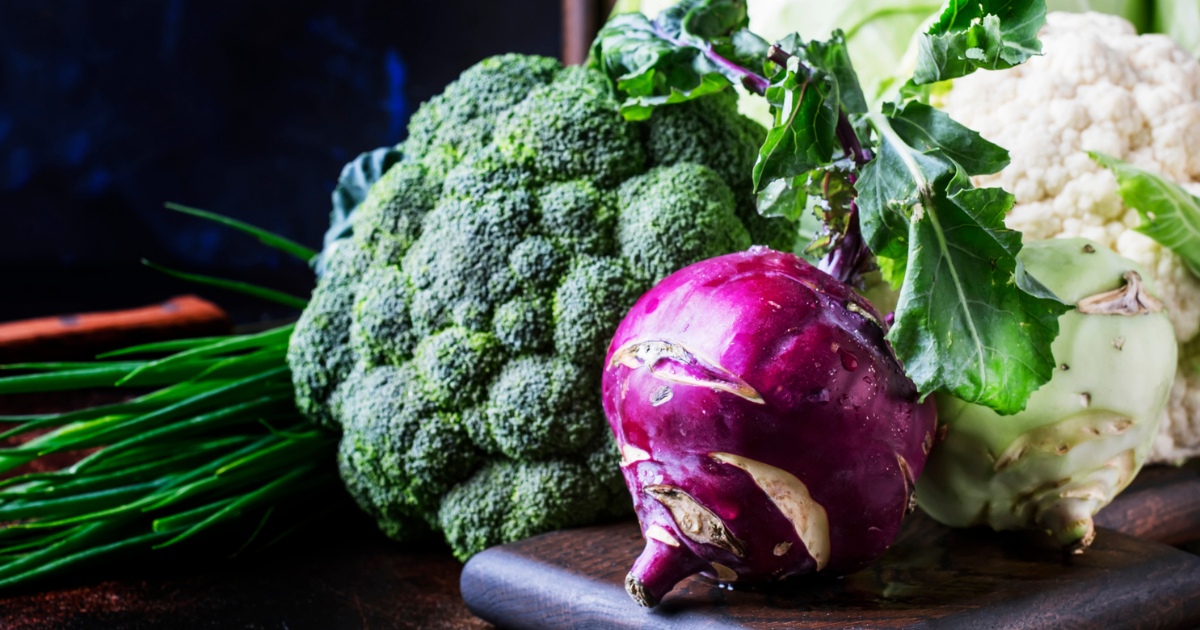
Cauliflower isn’t just a tasty pizza crust option; it’s also a powerful addition to your diet.
According to the Dietary Guidelines for Americans, people should eat 2.5 cups of vegetables each day. About 1.5 cups should be dark green vegetables, along with 4 cups of other vegetables each week. Your mother was right – eating vegetables contributes to good health.
The term “cruciferous” refers to vegetables in the mustard family. It comes from the Latin word cruciferae, meaning “cross bearing.” The name refers to the four petals of cruciferous plants, which resemble a cross.
Cruciferous vegetables vary greatly in color, shape and size. Sometimes these vegetables have a bitter taste or a strong smell, but don’t let that stop you – they’re packed with nutrients.
Cauliflower can help reduce cancer risk
Cancer is a complex disease caused by numerous factors. While no single superfood or plant-based diet can completely prevent or cure cancer, healthy eating and weight management can help reduce the risk.
Cruciferous vegetables like cauliflower are plentiful in vitamins, minerals, fiber and antioxidants. They contain specific anticancer compounds called glucosinolates. These compounds enhance the immune response against cancer cells, slow cancer growth and reduce inflammation.
Research shows that eating about five to seven servings of cruciferous vegetables each week may help lower the risk of several cancers, including:
- Colorectal cancer
- Upper gastrointestinal cancers
- Lung cancer
- Gynecological cancers, such as ovarian and endometrial cancer
- Bladder and kidney cancers
- Prostate cancer
Cauliflower can support health throughout the cancer journey
Cruciferous vegetables like cauliflower can be beneficial during cancer treatment and beyond by providing energy and essential nutrients. A higher intake of vegetables also offers many health benefits, serving as a complement to cancer therapies, healing and prevention.
Learn more about nutrition services for cancer survivors.
Cruciferous vegetables to add to your next grocery trip:
- Arugula
- Bok choy
- Broccoli
- Brussels sprouts
- Cabbage
- Cauliflower
- Collard or mustard greens
- Horseradish
- Kale
- Radishes
- Rutabaga
- Turnips
- Watercress
- Swiss chard
Nutrition is an important part of your overall health.
The team of registered dietitian nutritionists at the Nebraska Medicine | Fred & Pamela Buffett Cancer Center specializes in nutrition recommendations for cancer care and survivorship.
The Cancer Risk and Prevention Clinic can help assess your risk and provide a personalized plan to help prevent cancer. Call 402.559.5600 to schedule an appointment.