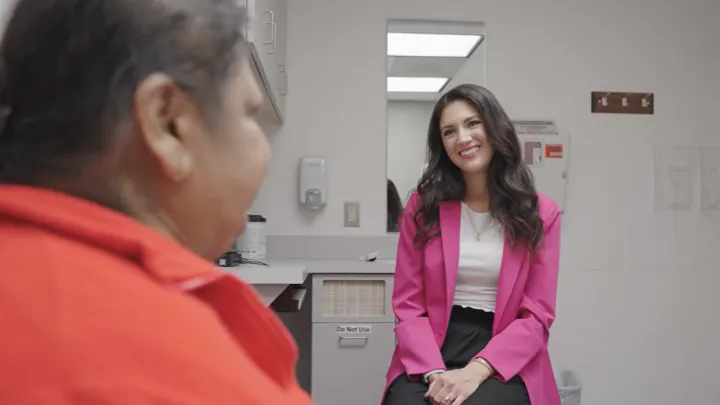
A transplant dietitian works with living donors and transplant recipients to optimize nutrition throughout the transplant journey. A critical part of the multidisciplinary team, they see patients multiple times.
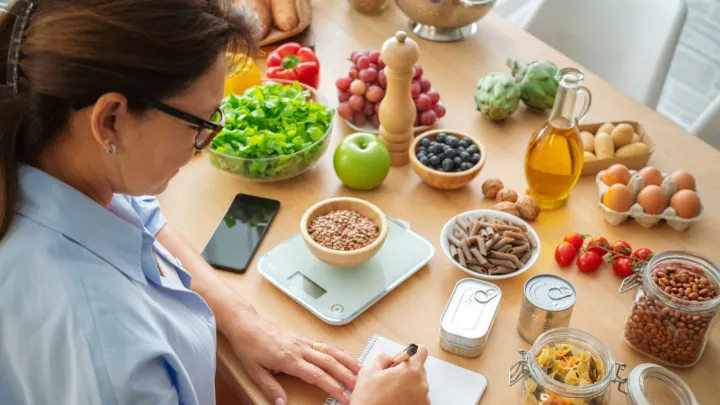
An RDN is an important member of your cancer care team, just like your doctor or nurse. They are experts in nutrition and can help you make food choices that support your health before, during, and after cancer treatment.
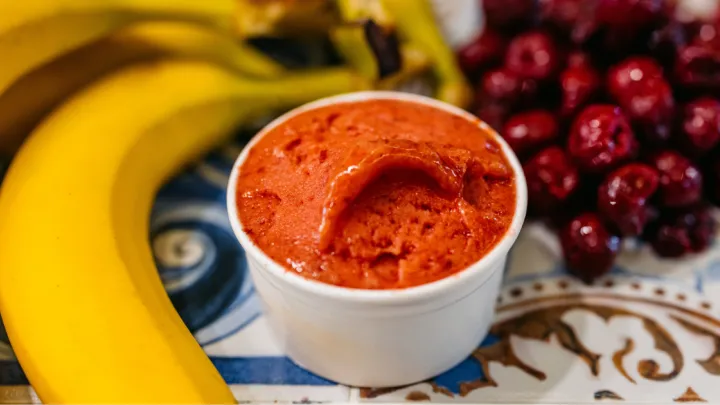
Easy no-churn vegan cherry nice cream made from only three ingredients. Gobble it up right after pureeing the fruit or save it for later for scoop-able banana ice cream.
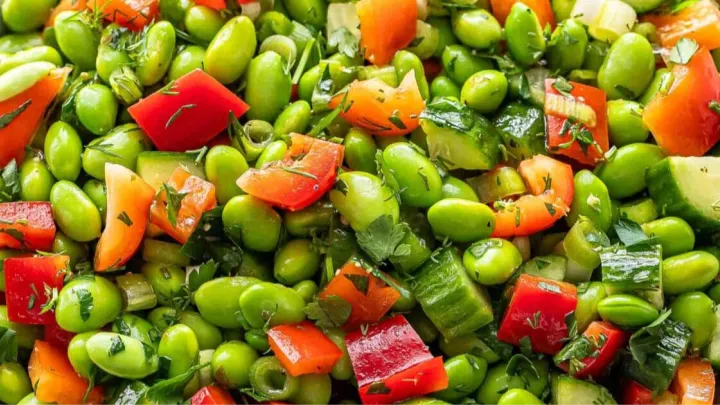
This easy edamame salad is packed crunchy veggies, fresh herbs, and tossed in a simple lemon vinaigrette. It’s full of plant-based protein and fiber, and pairs wonderfully with an assortment of meals.
You’re about to leave the Nebraska Medicine website. The other site may collect information about your visit, including your IP address. Do you want to continue?