Varicose veins are enlarged, twisted veins visible under the skin, most often in the legs and feet. Varicose veins can cause pain, throbbing, swelling, heaviness or burning sensations in the legs. For some people, varicose veins may be a sign of a more serious vein disorder that needs medical care.
If left untreated, varicose veins can lead to complications such as inflammation of the veins (phlebitis), skin changes, sores that don’t heal and infection. Up to 55% of women and 40% of men experience varicose veins at some point in their lives.
Spider veins vs. varicose veins
Spider veins and varicose veins are often confused, but they differ in size, appearance and severity.
- Spider veins are small, thin lines that appear red, blue or purple on the surface of the skin. They often look like a web or branch pattern and are mostly a cosmetic concern.
- Varicose veins are larger, bulging veins that rise above the skin’s surface. They can cause discomfort, swelling or itching, and may point to underlying vein disease. Not all varicose veins are visible, but can still cause heaviness, throbbing and skin changes.
Both can be treated with minimally invasive procedures. During your consultation, our specialty team will determine the best treatment plan for your condition and goals.
Understanding varicose vein disease
Varicose vein disease occurs when the superficial veins stop working properly. Instead of moving blood back to the heart, the blood flows backward and pools in the legs. Over time, this extra pressure can stretch and weaken vein walls.
Common risk factors include:
- Family history of vein disease.
- Multiple pregnancies.
- Standing for long periods.
- Aging or hormonal changes.
- Weight gain or limited movement.
When to worry about varicose veins
Varicose veins can be a cosmetic concern, but certain symptoms mean it’s time to see a doctor. You should seek medical attention if you experience:
- Persistent aching, throbbing or heaviness in the legs.
- Swelling in the legs or ankles, especially after standing for long periods.
- Skin discoloration or redness, thickening or dryness near the ankles or calves.
- Open sores, ulcers or wounds that do not heal.
- Sudden pain, warmth or redness in a vein, which could indicate inflammation or a blood clot.
These symptoms may signal chronic venous insufficiency, a more advanced form of vein disease. Early diagnosis and treatment can reduce pain, improve appearance and prevent serious complications.
How to get rid of varicose veins
Our Varicose Vein Disease Clinic provides complete care for spider veins, varicose veins, venous ulcers and chronic skin changes caused by vein disease. Care begins with a same-day evaluation and customized treatment plan.
During your visit, a registered vascular sonographer performs an on-site ultrasound that your physician reviews in real time. This allows for immediate diagnosis and a personalized treatment plan.
Most patients begin with medical management, which may include:
- Leg elevation and regular exercise.
- Use of compression stockings.
- Lifestyle recommendations to improve circulation.
If additional treatment is needed, our specialists perform minimally invasive procedures in an outpatient clinic using local anesthesia. Patients return home the same day with little to no downtime.
Treatment options include:
- Endovenous Laser Treatment (EVLT): A laser fiber is inserted into the abnormal vein through a small opening near the knee to seal the vein. Patients can walk out of the clinic the same day.
- Radiofrequency Ablation: Uses radiofrequency energy to heat, collapse and seal diseased veins. Ultrasound guidance ensures precision and reroutes blood flow through healthy veins.
- Ultrasound-Guided Chemical Ablation: Uses high-potency foam sclerotherapy to close varicose veins that are resulting in symptoms and signs of venous insufficiency.
- Sclerotherapy: A common and effective injection treatment for smaller varicose and spider veins.
- Vascular Skin Laser Treatment: Used to treat small or stubborn spider veins that remain after other procedures.
Why Choose Nebraska Medicine
Nebraska Medicine provides access to one of the most experienced teams in the region. Our team specializes in the diagnosis, treatment and management of venous disease.
Take the next step
If you notice leg pain, swelling or visible veins, don’t wait to get evaluated. Early treatment can ease discomfort, improve appearance and prevent complications.
Schedule an appointment today with a Nebraska Medicine vein specialist by calling 800.922.0000.
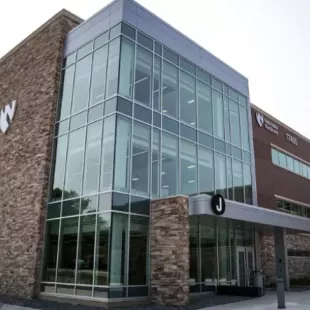
Our Locations



The vascular services program at Nebraska Medicine is accredited by the Intersocietal Accreditation Commission (IAC).
Nebraska Medicine is a participant in the American College of Surgeons National Surgical Quality Improvement Program® (ACS NSQIP®) is the first nationally validated, risk-adjusted, outcomes-based program to measure and improve the quality of surgical care. ACS NSQIP is designed to help hospitals improve surgical care through the use of risk-adjusted clinical data. The program will place hospitals in the national lead in providing high-quality, effective surgical care.
Nebraska Medicine is a member of the Vascular Quality Initiative (VQI) is a collaborative of regional quality groups collecting and analyzing data in an effort to improve patient care.