Can you breastfeed after breast reconstruction?
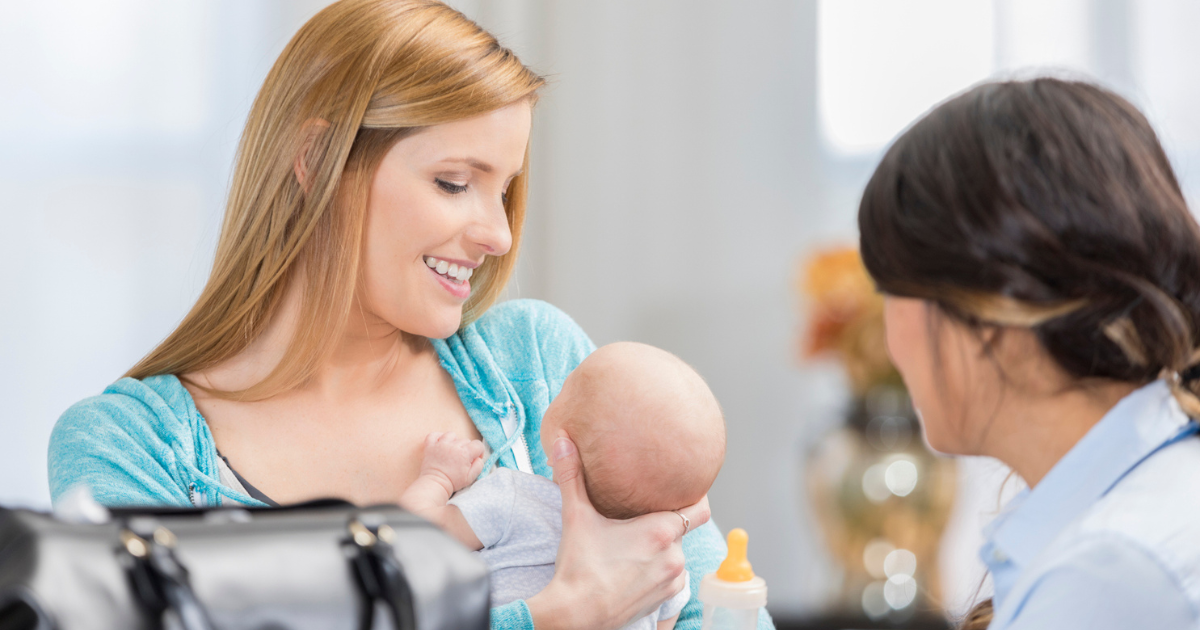
A breast cancer diagnosis raises many questions, including what life looks like after treatment. Women who hope to have children may wonder: Can I still breastfeed?
The answer depends on the type of surgery you have, where the tumor is located and which treatments you receive. Here’s what you need to know.
Mastectomy and reconstruction
If you have a mastectomy – surgery that removes all of the breast tissue – breastfeeding will not be possible.
This is true whether the reconstruction uses implants or your own tissue (called autologous reconstruction).
“If a patient is getting a mastectomy, it is not possible to breastfeed afterwards,” says plastic surgeon Shannon Wong, MD. “We’re taking away all the breast tissue, and there’s nothing left to produce milk.”
Lumpectomy
A lumpectomy removes only the tumor and a small margin around it, leaving most of the breast intact. Breastfeeding may still be possible after a lumpectomy, but several factors affect the outcome.
Radiation
Most people who have a lumpectomy also receive radiation, which can impact future breastfeeding.
“Radiation damages the milk-producing tissue – the sacs, the lobules – that produce the milk,” says breast surgical oncologist Juan Santamaria, MD.
Dr. Wong says the data on milk production after lumpectomy and radiation is mixed. “Anywhere from 50% to 80% of patients will actually produce milk through that affected breast.”
However, the quantity is often low, Dr. Wong says, and milk may have a different composition. “It may not be as fatty, and the baby may not want to drink from the affected side.”
Tumor location
Where the tumor is located also matters. The milk ducts that carry milk to the nipple run through the middle of the breast.
“If the tumor is central, behind the nipple, and you’re taking out that mass, you’re not going to have anything to bring milk from the tissue to the nipple,” Dr. Wong says. In those cases, the breast may still make milk, but it has no way to reach the nipple.
Breast reduction as part of treatment
Some women have a breast reduction as part of their cancer surgery – a procedure called oncoplastic reduction. Like lumpectomy and radiation, this can reduce the amount of milk the breast produces.
“You may be able to produce some milk, but the quantity has diminished quite significantly, so that most people won’t even really try to breastfeed from that breast,” Dr. Wong says.
What about implants?
Cosmetic breast augmentation with implants – when the breast tissue and nipple are left in place – typically does not prevent breastfeeding.
“Women with implants may breastfeed if they have their breast tissue and their nipple,” Dr. Santamaria says.
In breast cancer cases, however, implants are almost always used after a full mastectomy. This means breastfeeding is not possible.
In the case of lumpectomy, if an implant is placed in the unaffected breast for symmetry, breastfeeding from that side is possible. “We don’t disrupt the ducts or the breast parenchyma, so those patients are usually OK to breastfeed afterwards,” Dr. Wong says.
Breastfeeding during treatment
Women whose cancer affects only one side may be able to breastfeed from their unaffected side, depending on the treatment they’re undergoing.
“A single breast can fulfill the nutritional demands of a newborn,” Dr. Santamaria notes.
Women receiving radiation to one breast can try breastfeeding from their unaffected breast. “A patient can be getting breast radiation to the affected breast, but they can still be perfectly breastfeeding their child with the other normal breast,” Dr. Santamaria says.
However, breastfeeding is not safe during chemotherapy. Doctors can prescribe medication to help reduce milk production and relieve engorgement discomfort. Human donor milk and formula are safe alternatives for feeding your baby during this time.
Planning ahead
For younger women with breast cancer, thinking about future fertility and breastfeeding is part of the Nebraska Medicine | Fred & Pamela Buffett Cancer Center care plan. Before treatment begins, patients can be referred for oncofertility counseling.
“Studies of younger women with breast cancer, in their 20s and 30s, show it is safe to become pregnant again,” Dr. Santamaria says. “A lot of women are able to become fertile again, have a child and breastfeed with perfectly normal outcomes.”
Expertise close to home
Fred & Pamela Buffett Cancer Center is the only NCI-designated cancer center in Nebraska. Its breast cancer program includes four breast surgical oncologists, all of whom are fellowship trained – meaning they each completed additional education in breast cancer surgery after their general surgery residency.
Patients are seen at Fred & Pamela Buffett Cancer Center – Village Pointe Health Center, Fred & Pamela Buffett Cancer Center – Nebraska Medical Center and Fred & Pamela Buffett Cancer Center – Bellevue Health Center.