What can you eat after bariatric surgery?
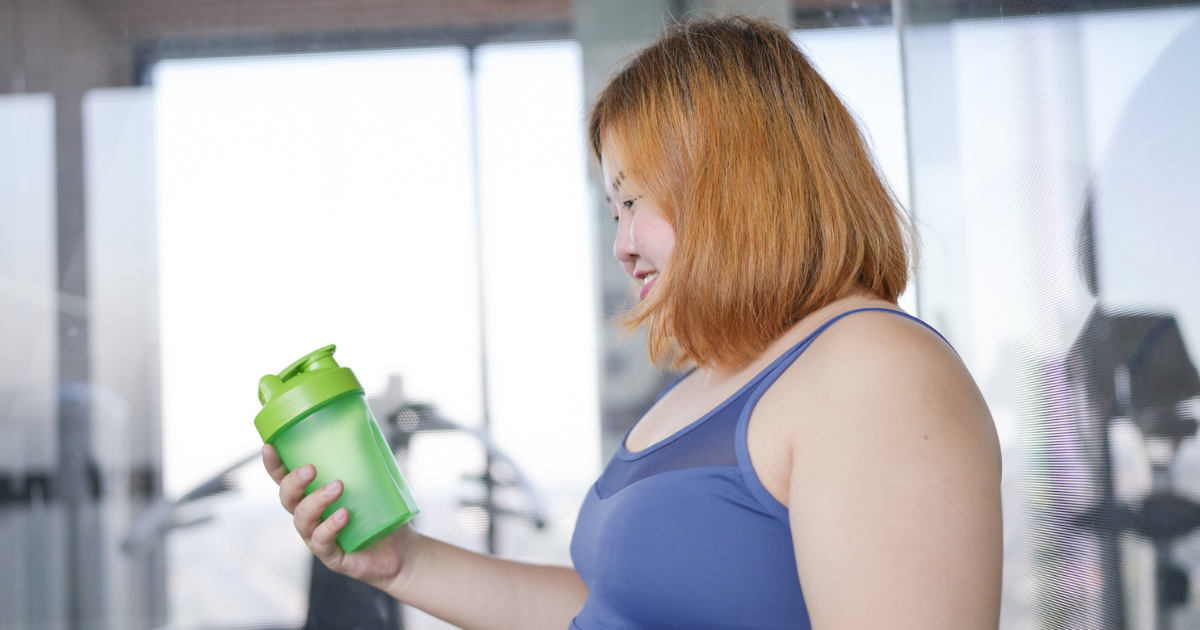
Bariatric surgery can be a life-changing weight-loss tool, but the journey doesn’t end when you leave the hospital. What you eat and drink afterwards is essential to help your stomach heal, prevent complications and support your long-term goals.
Whether gastric bypass surgery or another surgical approach, working with a registered dietitian before and after surgery is crucial. Their guidance provides individualized support and healthy eating strategies to help you successfully navigate the behavioral and lifestyle changes essential for long-term success.
The post-bariatric surgery diet
After weight-loss surgery, your diet will progress gradually in stages over the next four to six weeks:
- Days 1-3: Clear liquids started in the hospital.
- Day 4: Protein shakes are added.
- After week 2: Begin with soft, moist foods focused on proteins.
- Between weeks 4-6: Gradually reintroduce solid foods.
- For six weeks and beyond: Eat small portions slowly.
Focus on lean protein.
“The stomach is smaller after surgery, so we start with optimizing protein intake first,” says nutrition therapist Laura Hernandez, MMN, RDN, LMNT, LD. “Inadequate protein can put you at risk for muscle loss, fatigue and weakness. Sufficient protein will protect muscle, help you stay full, stabilize blood sugar and promote healing after surgery.”
- Start with two to three protein shakes per day along with vitamin supplements.
- When foods are reintroduced, prioritize lean proteins like chicken, turkey, fish, eggs, lean beef or pork and low-fat dairy.
- Aim for 60 to 80 grams of protein daily in the first six months, followed by 80 to 120 grams.
Drink enough fluids.
Getting enough hydration into the body is vital to numerous functions, including healthy digestion. Drink water throughout the day, even if you don’t feel thirsty. Aim for 64 ounces of caffeine-free, non-carbonated fluids every day. You may need to avoid using a straw initially to reduce excess air.
Introduce non-starchy vegetables before complex carbohydrates.
After two weeks, you can begin to add in pureed non-starchy vegetables. Always eat your protein first, then a vegetable if you’re still hungry.
- At four weeks: Add steamed vegetables.
- At eight weeks: Try raw vegetables, as tolerated.
The importance of nutritional supplements.
Bariatric-specific multivitamins should begin the day after leaving the hospital. Designed for post-bariatric surgery, these supplements address potential deficiencies that can arise from restricted intake or malabsorption of foods.
“Maintaining the proper amount of vitamins and minerals is essential,” adds Hernandez. “Not getting enough B12 alone can affect muscle and cognitive function. The multivitamins we recommend are especially designed for bariatric patients, and are really important to take daily.”
Foods to avoid or limit
Immediately after surgery, common complaints include constipation, nausea, vomiting or headaches. To avoid these issues, follow your registered dietitian’s guidelines carefully.
Avoid:
- Raw fruits and vegetables in the first two months to prevent digestive issues.
- Caffeine in the first six months to protect the stomach lining.
- Spicy, acidic, sticky, doughy, fibrous or stringy foods in the first 6-12 weeks, such as rice, pasta, popcorn, celery stalks, bran cereals, dried fruits and seeds.
After 12 weeks, avoid or limit:
- Concentrated sweets, high-fat and greasy foods to reduce dumping syndrome risk.
- Bread, pasta and rice to avoid swelling risk.
- Carbonated beverages.
- Alcohol in the first year to protect the stomach lining.
Long-term eating habits matter
How you eat long-term will determine your weight loss or gain.
“Although there are modifications to get used to, we often hear from patients about the health benefits they are experiencing,” says Hernandez. “So many express how it’s worth all the effort they’re putting in, and working with a dietitian can help their progress while still enjoying the eating process.”
A dietitian can provide helpful tips along the way, like how to:
- Determine what healthy food portions look like and how to add variety.
- Focus on mindful eating, learn to recognize hunger and fullness, and tips for how to identify hunger from boredom, stress or fatigue.
- Modify food habits in social situations.
With the right approach, most post-surgery issues can be avoided. Your nurse and dietitian can address many of these issues before they occur, including:
- Nutrient deficiencies.
- Burping, hiccups, bloating or gas.
- Hair thinning or leg cramps.
- Diarrhea, heartburn, indigestion or a burning feeling in the stomach.
- Feeling like your food gets “stuck” as you eat.
- Lactose or whey intolerance.
- Dumping syndrome, caused by eating high-fat or sugary foods, can mimic flu-like symptoms.