Your Mohs surgery recovery aftercare plan
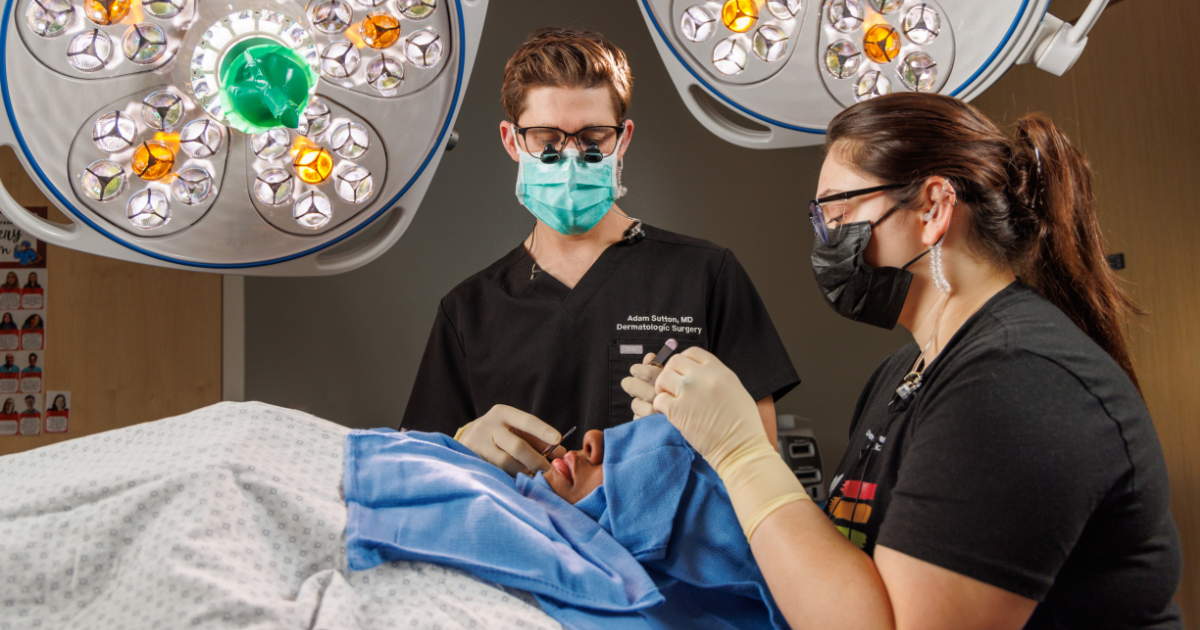
Skin cancer is the most common cancer in the United States with up to 80% of malignancies occurring in the head and neck. With highly visible areas like the head and neck, not only do patients want positive outcomes, they also want the best aesthetic results possible.
Nebraska Medicine’s dermatology program includes dermatologists with specialized training in Mohs and reconstructive surgery. “Mohs surgery provides the highest cure rates for many types of skin cancer,” says Adam Sutton, MD, a Nebraska Medicine dermatologist who is fellowship-trained in Mohs surgery.
“This highly specialized surgical procedure is primarily performed on aesthetically or functionally sensitive areas such as the head and neck.”
Mohs uses a precise tissue-sparing procedure to remove cancerous tissue while preserving as much normal tissue as possible. That means that the surgeon is able to keep the surgical defect as small as possible, but also ensure cancer cure.
“While there is no such thing as scarless surgery, our advanced surgical training combined with innovative techniques, gives us all the tools we need to hide surgical lines and provide the most aesthetically pleasing results,” says Dr. Sutton.
However, just as important as the surgery itself, is the surgery aftercare plan, which requires active participation by the patient.
“The first 48 hours after surgery are critical to ensure proper healing,” says Dr. Sutton. “We partner with our patients to develop aftercare instructions that prioritize quick healing and minimal scarring.”
What to expect after surgery
Most patients will go home with a pressure bandage over the surgical wound. The bandage helps ensure they get off to the best start possible, says Dr. Sutton. The pressure bandage is left on for two days and will minimize the risk for bleeding and swelling.
Mohs surgery aftercare plan
Dr. Sutton recommends these aftercare tips:
First 48 hours:
- Minimize physical activity. Avoid anything that may raise blood pressure and put tension on your incision.
- Avoid heavy lifting.
- Keep the wound clean and dry.
- Sleep with head elevated to help decrease swelling.
- Apply ice packs around edges of the bandage to reduce swelling, if needed. Swelling typically peaks at about 48 hours and will gradually decline over the next week.
- If having pain or soreness, alternate between acetaminophen and a nonsteroidal anti-inflammatory drug like ibuprofen for the most effective pain relief.
After 48 hours:
- Remove pressure bandage and wash with gentle soap and water using your hands. Pat dry with clean towel.
- Gently rub a thick coat of petroleum-based ointment over sutures, which will optimize the healing process. You want to avoid development of any scabbing or crusting.
- Apply a non-stick gauze over sutures to protect wound and prevent it from drying out.
- Continue to avoid intense physical activity for one week.
- Attend your follow-up appointment to remove any stitches. “This is very important because stitches that are left in too long can leave permanent marks,” says Dr. Sutton. “We will also make sure the area is healing well. Our team has tools and techniques we can use in the clinic to optimize the healing process.”
- Avoid sun exposure for two to three months after surgery. “Surgery scars are very sensitive to the sun,” says Dr. Sutton. “Apply a sun block of SPF 30 or higher with UVA and UVB protection daily. You should also use sun protective strips for additional protection if you are going to be outside for an extended time.”
- Once completely healed, apply a silicone-based scar cream daily. This helps the scar mature and fade over time. Surgical scars will continue to mature for up to a year.
Things to avoid:
- Do not increase physical activity too soon.
- Do not use a washcloth or bath sponge to clean wound. Always gently wash with your hands using soap and water.
- Do not use a topical antibiotic ointment on the wound.
- Do not scratch or pick at the wound site.
- Do not skip the follow-up visit.
- Do not expose wound to the sun without proper protection.
“We have built a skin cancer surgery program that emphasizes cutting edge techniques and prioritizes the patient experience,” says Dr. Sutton. “If you are wondering if Mohs surgery is right for you, we can offer a Mohs consultation to discuss all of your options and answer your questions or concerns.”
Call 800.922.0000 to schedule your consultation.