In-flight stroke emergency: Swift action saves the life of a Chicago man
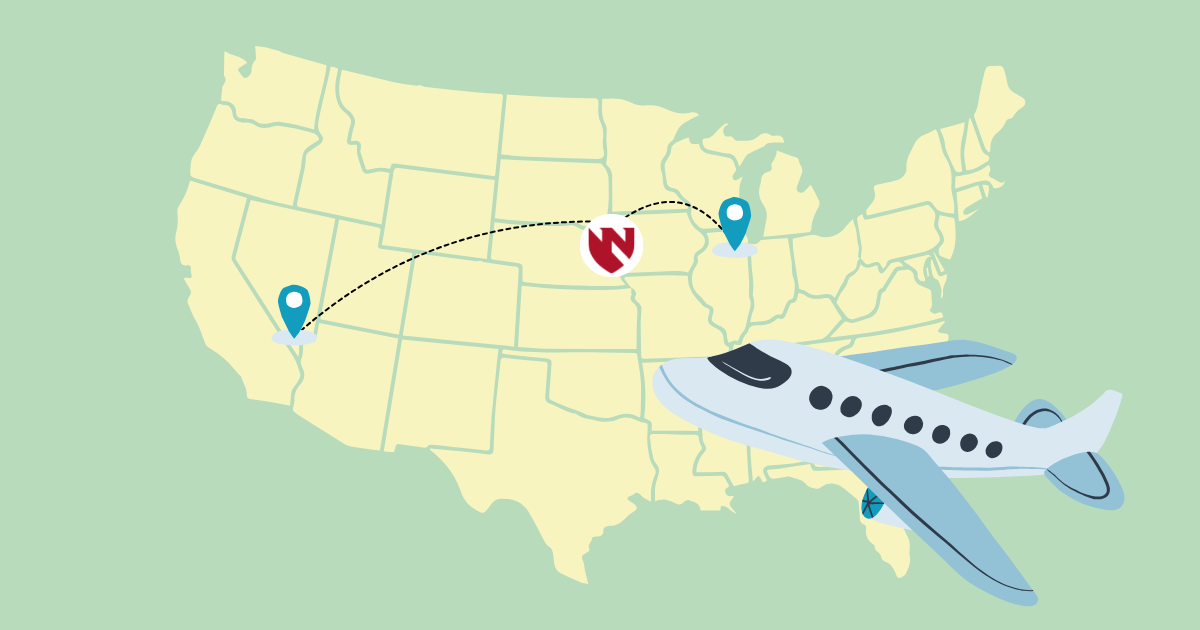
Knowing the signs of a stroke and taking immediate action can be life-saving. For 54-year-old Fulton Washington of Chicago, Illinois, swift coordination by many people is why he is alive today.
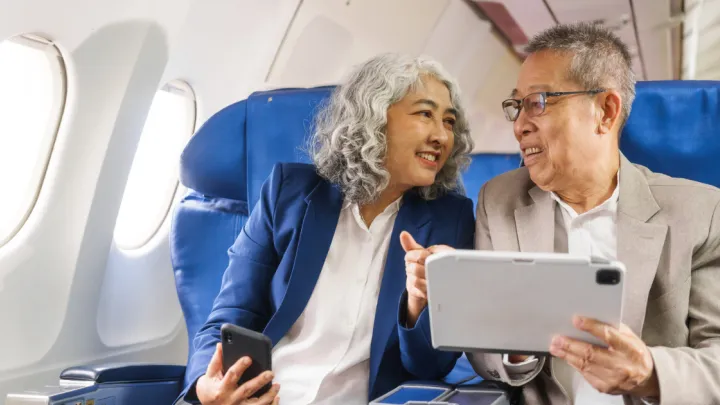
On June 18, 2025, Fulton and his fiancée, Wakesha Herron, were on Southwest Airlines flight 3148 bound for Las Vegas to celebrate a friend’s anniversary. During the flight, Wakesha noticed Fulton dropping things, sweating heavily and flicking his eyes. Although Fulton insisted he was alright, Wakesha saw his lip droop, knew something was wrong and alerted the flight attendant.
Five doctors happened to be on board and offered to assist. Using his smart watch, they took Fulton’s pulse, examined him and suspected he was having a stroke.
Time was of the essence. The plane made an emergency landing in Omaha, Nebraska, and paramedics rushed Fulton to the Nebraska Medicine neurovascular stroke unit – all within 35 minutes.
Fulton was diagnosed with an acute-onset, middle cerebral artery (MCA) stroke along with a possible carotid artery dissection. This type of severe stroke is caused by a tear in the inner layer of a carotid artery in the neck that blocks or reduces blood flow to one of the brain’s largest arteries. With two blockages, Fulton needed emergency surgery.
After a clot-busting medication was administered, Dr. Sattur used neuroendovascular techniques to help perform a mechanical thrombectomy with several stent placements. Although the surgery was complex and high risk, the team successfully removed the blood clots and stabilized the arteries. Fulton was then transferred to the specialized neurocritical intensive care unit.
“The flight diversion to Omaha absolutely saved Fulton’s life and function,” says neurosurgeon Mithun Sattur, MD. “It was a team effort, starting with his fiancée speaking up about his symptoms and the action of the flight crew, to Omaha emergency services ready to transfer upon landing. Next, the Nebraska Medicine stroke neurology team took over, the neurosurgery team performed the procedure and the neuro intensive care team along with the therapy teams aided in recovery. Everyone involved deserves credit for Fulton’s successful outcome.”
“For the first few days after surgery, Fulton didn’t have feeling or movement on his left side,” says Wakesha. “But we were all amazed that not only did that improve, but by day three, he was walking around on his own.”
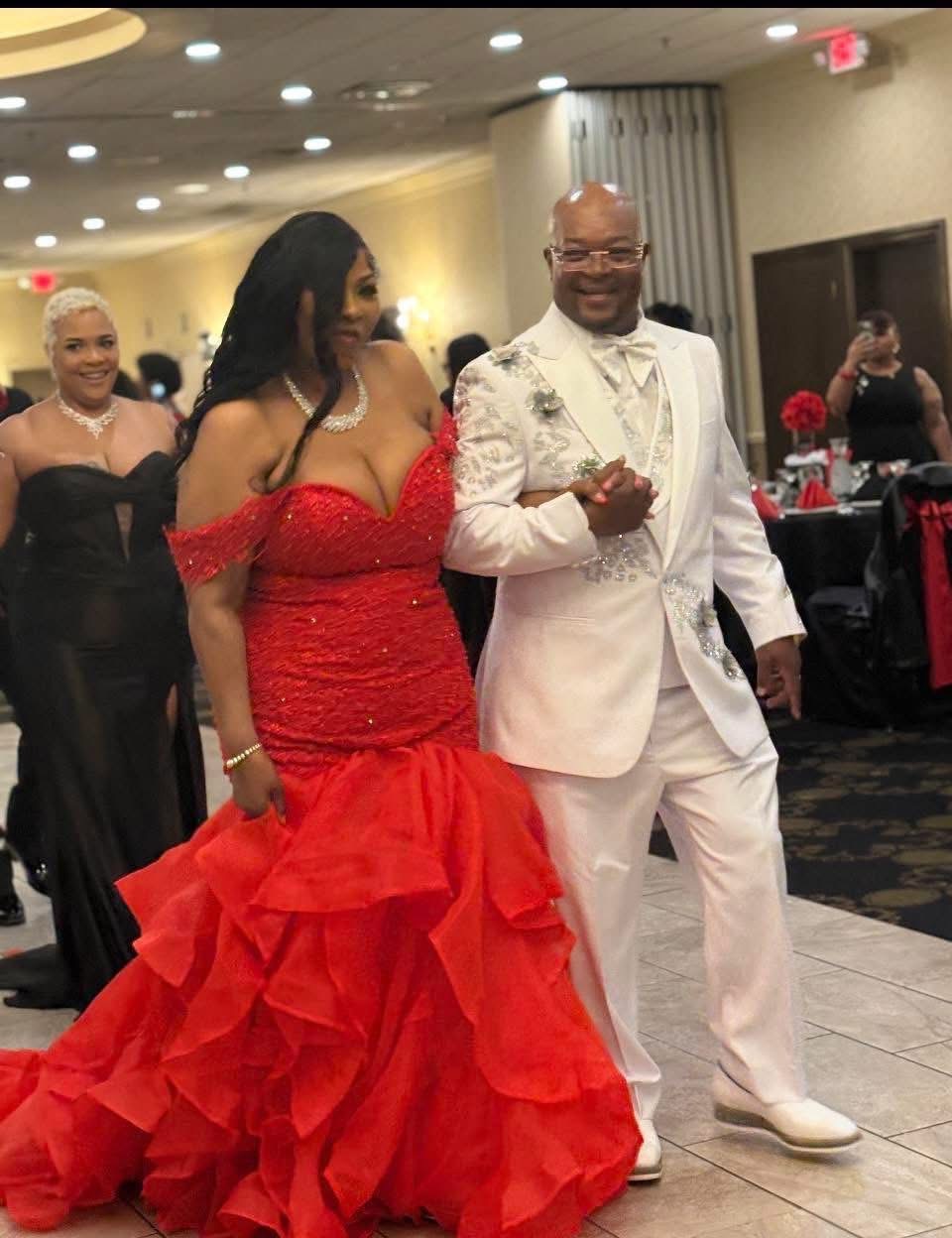
Fulton was released from the hospital one week later, on June 24. His doctors in Chicago were stunned when he walked in for his follow-up appointment, rather than arriving in a wheelchair. After a few weeks, he began physical therapy. At his three-month follow-up, scans showed full recovery, and he was back at work in his construction job.
“Everyone at Nebraska Medicine was amazing,” says Fulton. “From the time I woke up from the anesthesia, their constant care –from bathing, getting fresh air and checking on me –they stayed on it every minute. I never had to ask for anything. Everyone was astonished at my progress. I wish I could fly down to say thank you to each team member in person.”
If a remarkable recovery wasn’t enough, Fulton married the love of his life on March 28.
“I just want to thank everyone involved,” he adds. “From the plane to recovery, every single person did such a great job. Above all, I’m so thankful Wakesha was paying attention. She saved my life, and I’m so glad I get to spend the rest of my life with her.”