Precision reconstructive microsurgery greatly reduces lymphedema in breast cancer patients
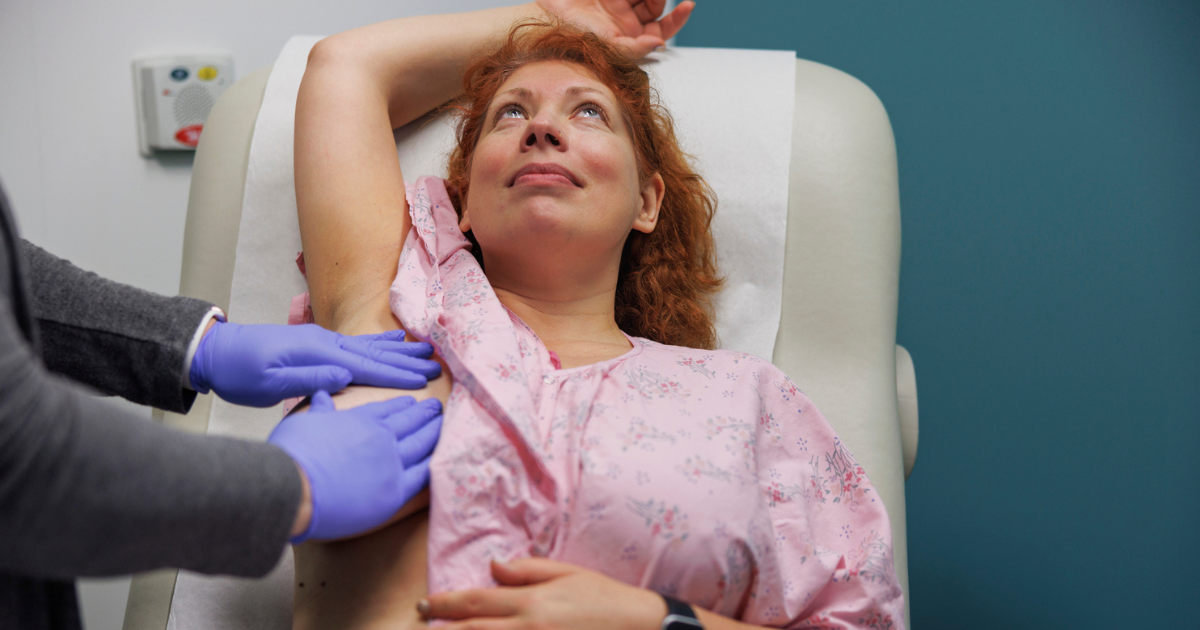
Lymphedema is a serious condition that causes chronic swelling in the arms and legs due to a buildup of lymphatic fluid. It can occur in breast cancer patients who have surgery to remove the lymph nodes under the arm to identify any spread of the cancer.
“Fortunately, the prevalence of lymphedema has decreased dramatically over the years due to the development of procedures to reduce the need to remove all of the lymph nodes,” says Kimberly Helseth, MD, Nebraska Medicine surgeon. “However, in more advanced breast cancer cases, axillary lymph node dissection or surgical removal of all of the lymph nodes under the armpits, may still be necessary.”
The best way to treat lymphedema is to prevent lymphedema. A newer reconstructive microsurgery called immediate lymphatic reconstruction helps repair damaged lymphatic vessels and greatly reduces the risk of developing lymphedema. “This is a ground-breaking procedure with excellent outcomes,” says Dr. Helseth. “It has become the standard of care for advanced-stage breast cancer patients at Nebraska Medicine,” says Dr. Helseth. “It is one of the many reasons that Nebraska Medicine has been awarded the Lymphedema Center of Excellence.”
Understanding the lymphatic system
The lymphatic system is a network of vessels, tissues and organs that helps maintain fluid balance, absorb fats and support the immune system.
Its role is to collect excess fluid from tissues and filter it through lymph nodes to remove waste and germs. The fluid is then returned to the bloodstream.
“When this natural drainage system is disrupted after surgery, fluid has nowhere to go,” says Dr. Helseth. “That leads to chronic fluid build-up and swelling.”
Side effects of lymphedema
- Persistent swelling in the arms, legs, fingers, toes and face.
- A feeling of heaviness, pain, aching and discomfort in the limbs.
- Dry, itchy or burning skin.
- Joint stiffness and reduced range of motion.
- Permanent tissue damage.
- Increased risk of infection.
How Immediate lymphatic reconstruction works
Ideally, immediate lymphatic reconstruction surgery is performed at the same time as tumor removal and lymph node dissection.
Reconstructive plastic surgeons then identify damaged lymphatic vessels and perform advanced precision microsurgery to reconnect them. The procedure creates a bypass route for the lymph fluid so that it does not build up in the arm, explains Dr. Helseth.
“This surgery can have a huge impact on the quality of life for breast cancer patients,” says Dr. Helseth. “It can help patients recover better from an otherwise significantly morbid surgery, and it has extremely positive outcomes, reducing the rate of lymphedema.”
Long-term studies show the rate of lymphedema over the next 10 years can drop to about 5% to 10%.”
Earlier advances in care
The development of sentinel node biopsy was a significant step in reducing lymphedema after breast cancer surgery.
The procedure involves injecting dye or radioactive tracers near the tumor to locate the first lymph node that drains the breast, or the sentinel lymph node. Only that node is removed and tested. If little or no spread of cancer has occurred, removing the remainder of the lymph nodes is not necessary.
Dr. Helseth sees the lymphovenous bypass procedure as the next major step in reducing lymphedema after surgery. “We have made great strides in reducing lymphedema in breast cancer patients over the years, and this procedure will reduce those numbers even more,” says Dr. Helseth. “Immediate lymphatic reconstruction is a very complicated and advanced surgery that takes immense skill and precision. I feel privileged to work at a hospital that can offer this leading-edge surgery to its patients.”