A new device is changing aortic dissection surgery
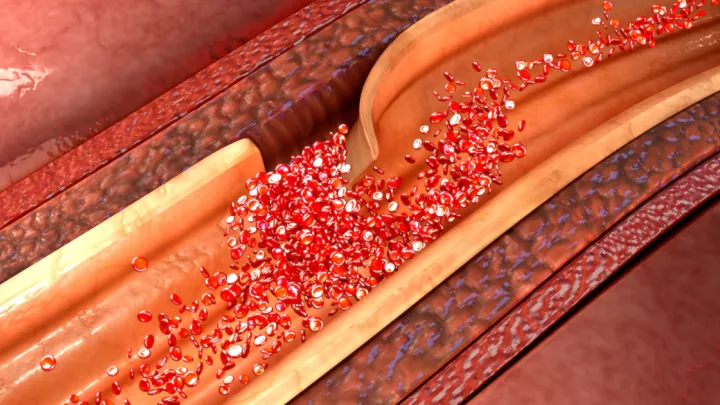
An aortic dissection happens when the inner wall of the aorta tears, forcing blood into the tear and cutting off blood flow to vital organs.
It is one of the deadliest emergencies in medicine. Without surgery, about half of the patients who make it to the hospital will die within 48 hours.
How the AMDS device works
A Type A aortic dissection – the most common and most dangerous type – involves the first section of the aorta (ascending aorta).
Traditionally, surgeons could only repair that section. Treating the aortic arch, where vessels branch to the head and arms, meant a much larger, riskier operation.
The AMDS hybrid prosthesis changes that. It’s a small mesh tube placed in the arch during surgery to restore normal blood flow without the need for a full arch replacement.
Cardiothoracic surgeon Brett Duncan, MD, says, “The AMDS allows us to help address the arch without taking on that additional risk.”
The AMDS works on two levels:
- Immediate: Restores blood flow to organs that have been cut off.
- Long-term: Helps stabilize the aorta, preventing it from expanding and improving long-term survival.
One of the few centers in the region offering AMDS
Nebraska Medical Center was the first center in the region to offer the AMDS and remains one of the few to do so. Its aortic care experts offer a growing list of procedures performed in very few places in the U.S.
That depth of expertise matters, Dr. Duncan says.
“It requires specialized care – people who see Type A dissections frequently and who also see a variety of aortic aneurysm patients outside of the emergency setting.”
Real results
The cardiothoracic team has completed four AMDS cases so far. In one recent example, a patient arrived with blocked blood flow to their brain, both arms and the kidney. They had already lost motor function in both arms before reaching the operating room.
After surgery, the patient showed no sign of restricted blood flow to vital organs. Imaging showed all previously blocked arteries were open and flowing normally.
Beyond immediate results like these, the AMDS may offer lasting benefits. The device is designed to help the aorta heal and remodel over time. This reduces the chances that the remaining dissected aorta will balloon and require another operation.
What to expect after AMDS surgery
Patients who undergo AMDS surgery can typically expect:
- Hospital stay: Seven to 14 days, starting in the ICU.
- Rehab: Many patients spend time at a rehab facility before going home.
- Imaging follow-up: CT scans before discharge, at three months, then every six months.
- Blood pressure guidelines: Must stay well-controlled long-term, ideally 120/80 or below.
Act fast
Aortic dissection is one of the most time-sensitive emergencies. As Dr. Duncan says, “Getting the patient to the hospital – and into the operating room – as quickly as possible really counts.”
Symptoms that warrant immediate emergency care include:
- Sudden, severe and sharp chest pain with or without upper back pain. This kind of pain doesn’t come and go. People may describe a tearing or ripping sensation.
- Abdominal pain.
- Shortness of breath.
- Low blood pressure, fainting, dizziness or confusion.
- Stroke-like symptoms, including weakness or numbness on one side of the body or trouble talking.
If you experience any of these symptoms, call 911. Time is critical.