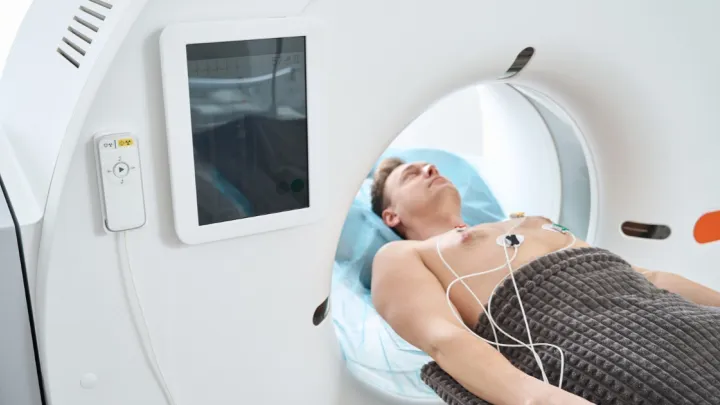
Cardiac imaging has become an important tool for evaluating coronary artery disease. Technologies such as coronary CT angiography, AI-assisted plaque analysis, and CT-derived fractional flow reserve (CT-FFR) show doctors a detailed look at plaque inside the heart’s arteries.
You’ve been tired for months. Maybe you’ve had carpal tunnel surgery, neuropathy, some back pain, or shortness of breath. But what if all of those symptoms had a single cause?
Protecting your heart health long-term also includes preventing infections such as the flu, COVID-19 and pneumonia. Vaccines are considered safe for most people with heart disease and are an important way to reduce the risk of severe illness.
An increasing number of states are legalizing marijuana for recreational and medical use, but emerging evidence suggests it may have significant effects on cardiovascular health.
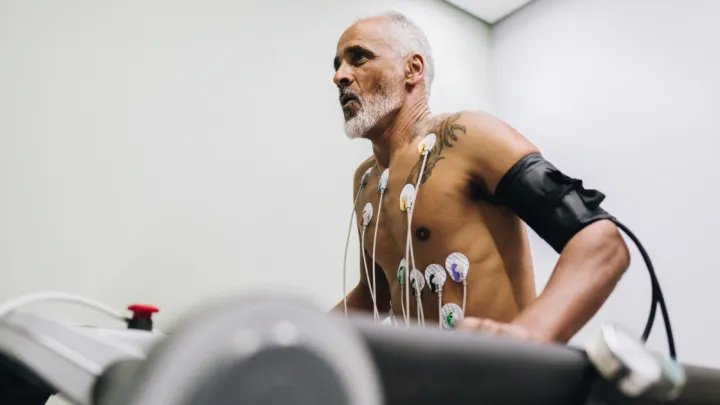
A cardiac stress test helps doctors see how well your heart works during physical activity or simulated exercise. It can help identify blocked arteries, abnormal heart rhythms and other problems before they worsen.
The PREVENT (Predicting Risk of Cardiovascular Disease Events) risk calculator may help reduce those numbers by helping doctors determine a person’s future risk for an atherosclerotic cardiovascular event and recommend preventive measures to lower that risk.
If you’ve ever used a smartwatch, fitness tracker or workout app, you’ve likely seen references to “heart rate zones.” But what exactly do heart rate zones mean, and do you really need to pay attention to them during workouts?
Research shows that women may experience different symptoms, risk factors and types of heart disease than men. Understanding these differences could help save lives.
When people think about vein problems, they often picture bulging varicose veins. But many vein conditions first appear as other changes on the skin that can be clues to underlying vein disease.
You’re about to leave the Nebraska Medicine website. The other site may collect information about your visit, including your IP address. Do you want to continue?