How to identify rashes in children
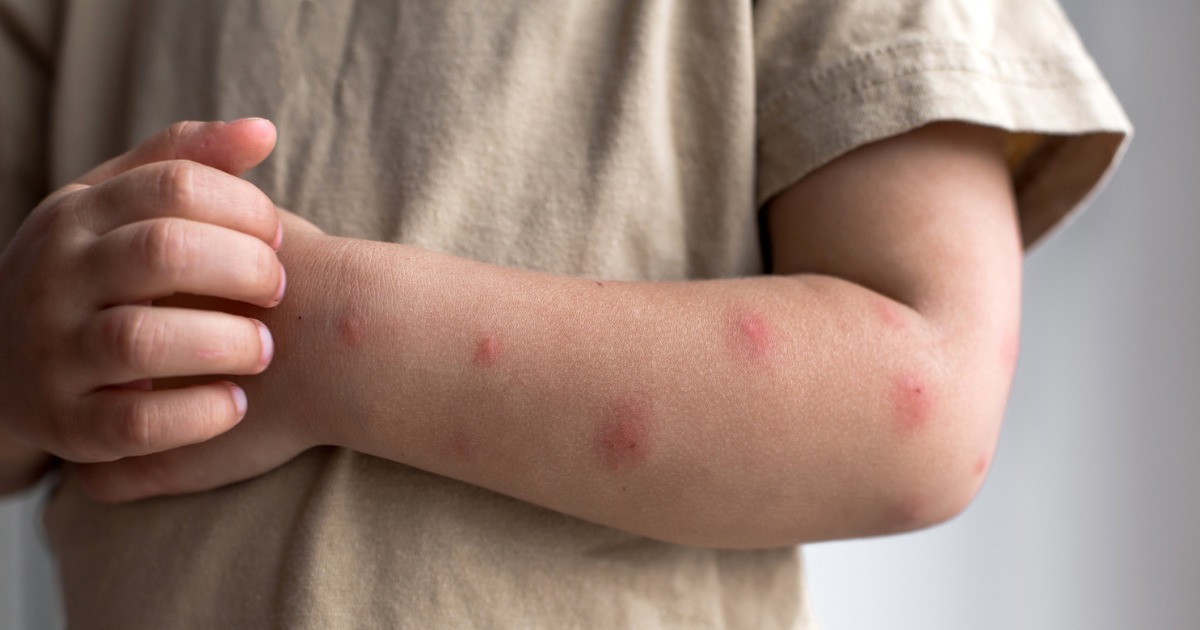
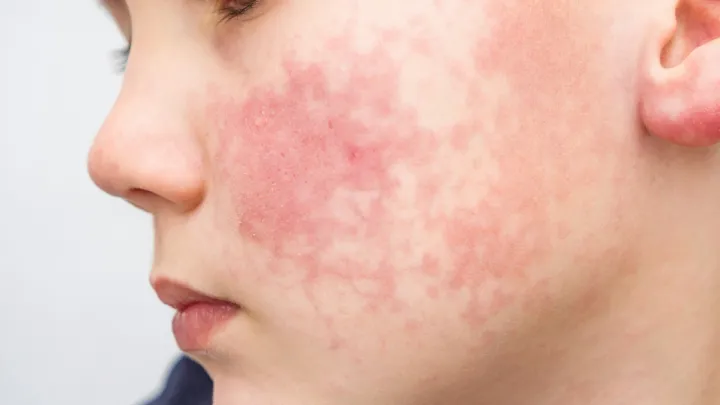
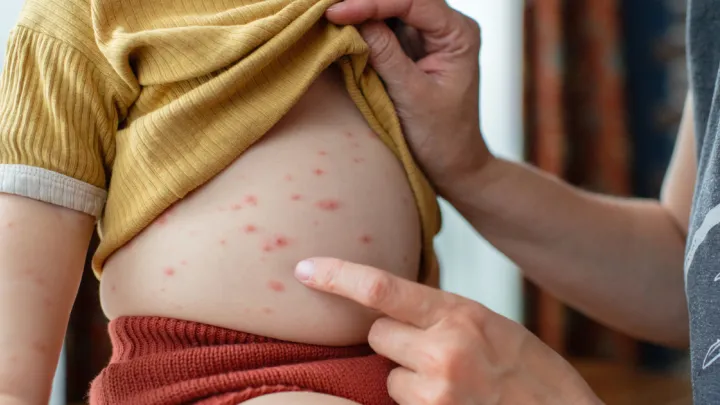
Noticing a sudden or recurring rash on your child’s skin can be challenging. Rashes can appear for many reasons, from exposure to an irritant like poison ivy to a mysterious rash that comes and goes.
Winter months can make matters worse. Cold, dry air with lower humidity pulls moisture from the skin, leaving it dry and itchy.
Common childhood rashes
There are many types of rashes, and an equal number of reasons they appear. Here are several that pediatricians most commonly see.
Eczema, or atopic dermatitis
Genetic and environmental factors can cause eczema. They appear rough, itchy and are often found on the face, neck and the backs of the elbows or knees. Treatment frequently involves sealing in moisture with plain, dye-free ointments such as Vaseline, Eucerin, Cetaphil or CeraVe, used daily and immediately after baths to restore the skin barrier.
Controlling inflammation may include using an over-the-counter 1% hydrocortisone cream for short periods (up to two weeks, twice daily). Avoid the face, groin and neck to prevent damage.
“We don’t prescribe topical steroids for a prolonged period of time as they can come with complications,” says internal medicine and pediatrics physician Joshua Lallman, MD. “Parents can effectively manage eczema on their own, but it does take some guidance from a physician to establish an individualized treatment that works for them over time.”
Hives (urticaria)
Hives appear as raised, itchy red welts that come and go. Food allergies, viruses, medications or stress can cause them. Age-appropriate antihistamines can help relieve itching. As hives can be a response to allergens, discuss symptoms with a doctor.
Contact dermatitis
Contact dermatitis is caused by direct skin exposure to irritants such as soaps, detergents, certain foods, urine, feces or saliva. The rash can resemble eczema, but it is different, having its own distinct immune process. Identifying and removing the irritant is the best approach to management.
Ringworm (tinea)
Ringworm is a fungal infection that appears as a round, ring-shaped lesion with raised, darker edges and a clearer center. Prompt treatment is essential to reduce the spread, as the disease remains contagious for about a week after diagnosis.
Treatment may include over-the-counter antifungals such as 1% clotrimazole, applied twice daily. While safe for home use, a doctor's visit is recommended for confirmation and guidance, especially for scalp infections, which may need oral antifungal medication.
Molluscum contagiosum
Molluscum appears as raised lesions with a characteristic central dimple. This rash is contagious and typically resolves on its own, but it can last for over a year. Treatment involves in-clinic topical medications or newer FDA-approved therapies.
How to tell if a rash is bacterial or viral.
“Viral rashes often have a characteristic pattern and are accompanied by systemic symptoms like fever and congestion, while bacterial infections tend to be more localized where the bacteria were able to invade,” says Dr. Lallman. “Hand, foot and mouth disease would fall in the virus category with its red, painful lesions, congestion, fever, fussiness and upper respiratory symptoms.”
Read more about hand, foot and mouth disease and a common viral infection known as fifth disease.
When to see a doctor
Telehealth is a convenient option for parents, particularly if the rash is something they’ve dealt with before. However, there is an advantage to seeing a doctor in person.
“An in-person doctor visit is the best course of action, especially for first-time rashes,” says Dr. Lallman. “A physical exam allows us to see and feel the rash, which helps us accurately diagnose and rule out severe conditions. We can also treat the rash immediately. Rashes that worsen or show signs of secondary infection should also prompt a visit to the pediatrician.”
Rashes are generally diagnosed in four steps:
- How the rash looks and its size, including whether it is raised, fluid-filled or scaly.
- Where the rash is located, whether it is localized to one area, diffused or all over the body.
- Other symptoms such as pain, fever, itching or runny nose.
- Rash duration, triggers, contacts and response to any prior treatment.
A doctor may refer you to a dermatologist in certain circumstances, such as for rashes that are not responding to standard treatments or require specialized procedures or systemic therapies.
When to seek medical care
See a doctor soon if you notice:
- Signs of secondary infection on an existing rash.
- Significant worsening of redness or swelling.
- Pus forming in or around the rash.
- Fever, fussiness or poor eating and drinking.
- Rashes that are painful or not responding to home care.
Go to the emergency room if you notice signs of anaphylaxis, which is a severe, rapid and potentially life-threatening allergic reaction. Symptoms may include hives or a rash along with:
- Trouble breathing.
- Swelling of the mouth, lips or tongue.
- Dizziness.
- Abdominal pain.
- Sudden vomiting.
“If you’re concerned about a rash, we are happy to work with you to find the safest and best treatment for your child,” adds Dr. Lallman. “Sometimes rashes don’t respond the way we want them to, and we need to look into it further. Whether telehealth or in person, we’re here to help.”