GLP-1 medications are a promising tool for heart health

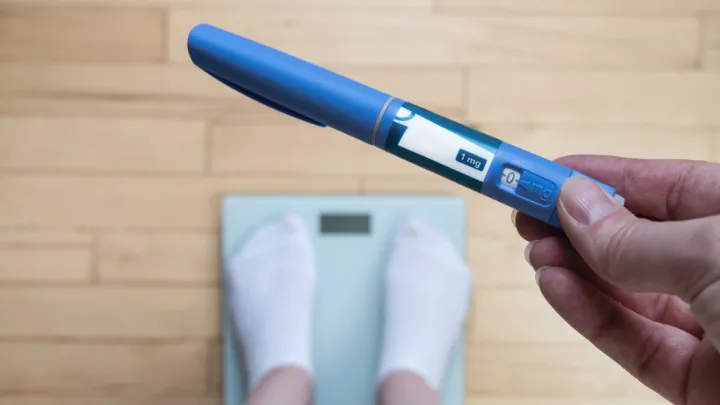
If you’ve heard about GLP-1 medications like Ozempic® or Mounjaro®, you probably know them as weight-loss drugs. But these medications are showing exciting promise for heart health, too – especially for people with heart failure.
Christina Dunbar Matos, DO, an advanced heart failure and transplant cardiologist, explains how these medications work and what they mean for your heart.
What are GLP-1s?
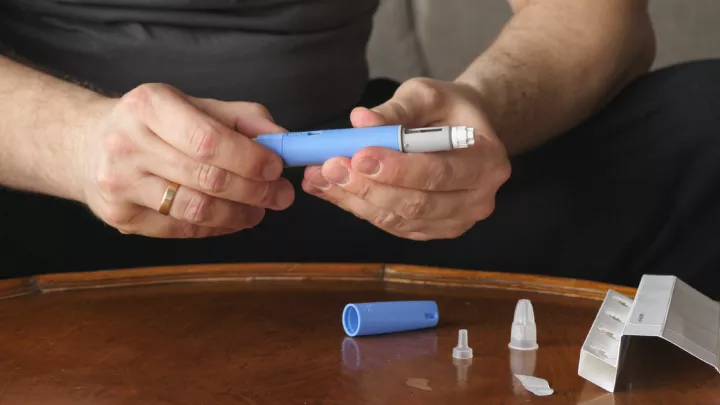
GLP-1 receptor agonists are medications that mimic a natural hormone in your body. They reduce appetite and help you feel full longer. Common brand names include Ozempic®, Wegovy®, Mounjaro® and Zepbound®.
While these drugs were first developed to treat type 2 diabetes, doctors later discovered they also cause significant weight loss. Now, researchers are learning they may protect your heart in several important ways.
How do GLP-1s help your heart?
“From a heart failure standpoint, GLP-1s have been really beneficial secondary to their weight loss properties,” says Dr. Dunbar Matos. “With weight loss, you’re reducing inflammation and getting blood sugars under better control, so you’re hitting multiple different comorbidities that can affect heart health.”
The benefits work in two main ways:
- Weight loss itself helps your heart. Losing excess weight reduces the strain on your cardiovascular system and improves how your heart pumps blood.
- Lower inflammation protects your blood vessels. Fat tissue releases hormones that cause inflammation throughout the body. This inflammation damages blood vessel linings, making them stiff and creating perfect spots for cholesterol to build up.
“We know that a major component of how coronary artery disease starts is inflammation,” Dr. Dunbar Matos says. “If we can treat the disease at its root, that’s a great thing.”
Strong benefits for heart failure patients
Researchers found GLP-1 medications can reduce hospitalizations and death in people with heart failure with preserved ejection fraction (HFpEF). This is a type of heart failure where the heart pumps normally but doesn’t fill properly.
“This has been one of the few medications in the past decade that we think has a lot of promise from a heart failure cardiology standpoint,” Dr. Dunbar Matos says.
The medications also help people with heart failure with reduced ejection fraction, where the heart doesn’t pump as strongly as it should.
Are GLP-1s safe for your heart?
From a heart standpoint, GLP-1 medications are generally very safe.
“We’re not aware of any significant side effects from a cardiac standpoint,” Dr. Dunbar Matos says. “Most of them tend to be gastrointestinal.”
You may have read concerns online about these medications causing heart palpitations, irregular heart rhythms or even “heart shrinkage.” Dr. Dunbar Matos says she’s seen no evidence of these in her patients, but more studies would need to be done to evaluate these concerns.
The most common side effect Dr. Dunbar Matos’ patients experience is nausea, which causes some of them to stop taking GLP-1s.
Can GLP-1s prevent clogged arteries?
GLP-1s may actually help prevent coronary artery disease by lowering inflammation.
When blood vessels are inflamed, the body tries to fix the problem, and in the long term, this can lead to damaged/stiff blood vessel walls. This creates an environment for cholesterol to stick and form blockages.
“If we can get those factors under control, long-term, we’re hoping to see improvements in the incidence of coronary artery disease,” Dr. Dunbar Matos says.
What to expect if you start a GLP-1
When Dr. Matos Dunbar starts patients on GLP-1s, she often checks:
- Inflammatory markers (like C-reactive protein).
- Fasting cholesterol levels.
- Blood pressure.
For patients with diabetes, Dr. Matos Dunbar works with your primary care doctor or endocrinologist to adjust your other medications.
Lifestyle changes still matter
GLP-1 medications are powerful tools, but they work best when combined with healthy habits.
“This is not an excuse to not exercise or eat right,” she emphasizes. “This should be done in conjunction with the GLP-1s.”
Dr. Matos Dunbar recommends:
- Eating smaller portions of the foods you enjoy.
- Doing cardiovascular exercise regularly.
- Adding weight training to your routine to help prevent muscle loss.
- Making sustainable changes that you can maintain long-term.
Research shows that when people stop taking GLP-1 medications, their appetite and weight typically return. That’s why building lasting lifestyle changes is so important.
More to come
The story of GLP-1 medications and heart health is still being written. Researchers continue studying exactly how these drugs protect the heart and exploring their long-term effects.
For now, cardiologists like Dr. Dunbar Matos remain optimistic about their potential to improve outcomes for people with heart disease and heart failure.
To schedule a visit with a cardiologist or primary care provider to discuss GLP-1s, call 800.922.0000 or visit NebraskaMed.com/Schedule.