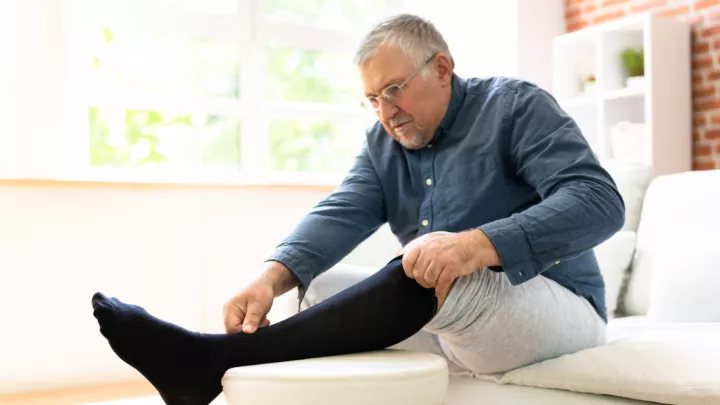
What is chronic venous insufficiency?
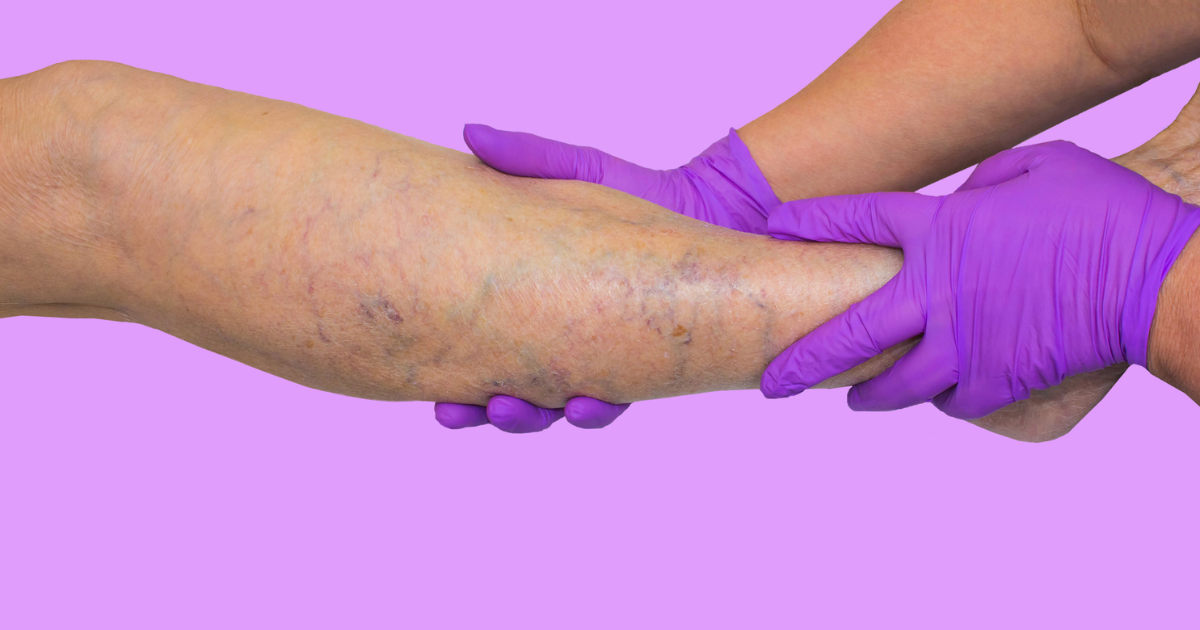
If your legs ache and swell by the end of the day, you might have chronic venous insufficiency (CVI). Understanding this common condition is the first step toward finding relief.
“Chronic venous insufficiency is when the valves in the veins of our lower extremities break down over time, and it leads to increased pressure in the leg that results in pain, discomfort and swelling, especially at the end of the day, when somebody’s been on their feet all day,” says vascular surgeon Jason Johanning, MD.
Think of these valves like tiny doors that help blood flow back up to your heart. When they break down, blood can pool in your legs, causing uncomfortable symptoms.
Who is at risk?
Several factors can increase your chances of developing CVI:
Gender and hormones
- Women are more likely to develop the condition.
- Estrogen and progesterone can make veins more sensitive to pain and discomfort.
- Pregnancy increases pressure on the leg veins and may damage valves.
Family history
- Having relatives with varicose veins or CVI increases your risk.
Occupation
Jobs that require standing for long periods put you at higher risk, including:
- Teachers.
- Hair stylists and barbers.
- Production line workers.
- Health care workers.
Age
- CVI becomes more common as you age.
Blood clots
- A history of blood clots in the deep veins of your legs can lead to a specific form of CVI called post-thrombotic syndrome.
Recognizing the symptoms
The most common signs of CVI include:
- Leg swelling, especially at the end of the day.
- Aching or discomfort in your legs.
- Pain that gets worse after standing for long periods.
- Feeling better after elevating your legs.
Your physician will help distinguish whether these symptoms come from a heart issue, such as congestive heart failure, or a vein issue.
“It’s really important to note, when does the swelling occur? When does the pain and discomfort occur?” Dr. Johanning says. “If you wake up with leg pain and swelling, it’s more likely to be a nerve or joint problem than a vein problem.”
How is it diagnosed?
Doctors typically diagnose CVI through:
- Medical history: A review of your symptoms and risk factors.
- Physical exam: To check for signs of swelling and discomfort, skin changes at the ankle or prominent veins in the leg.
- Ultrasound: A painless test that shows how blood flows through your veins.
“We confirm the diagnosis with a non-invasive ultrasound to look at the veins to see if there’s dilation and what we call ‘reflux’ within the varying vein segments,” Dr. Johanning says.
Is CVI serious?
Many people worry when they receive a CVI diagnosis, but there is reassuring news.
“The first thing patients need to understand is it’s not life threatening if it is a vein problem in the legs,” Dr. Johanning says. He also clears up the following misconceptions:
- You won’t lose your leg.
- It doesn’t increase your risk for blood clots.
- You don’t need emergency treatment.
Treatment options
Treatment depends on whether the problem is in superficial veins (near the surface of the skin) or deep veins (deeper in the leg).
Superficial vein issues
- Can often be treated with minimally invasive procedures.
Deep vein issues
- Primarily treated with compression stockings.
- Focus on symptom management.
New hope for severe cases
While most CVI cases cause discomfort but remain manageable, some patients develop more serious complications.
“Untreated severe chronic venous insufficiency can lead to ulcer formation in the lower legs and when a patient gets an ulcer, they should absolutely seek treatment,” Dr. Johanning says.
For these challenging cases, researchers are evaluating a promising new treatment. The VenoValve device is surgically placed in the leg’s deep vein and acts like a replacement valve to help blood flow properly.
Early results of the SAVVE trial showed meaningful improvement with VenoValve placement and the device’s manufacturer is seeking FDA approval.
Taking action at home
If you think you might have CVI, try this simple at-home test:
- Wear compression stockings available online or in pharmacies.
- Choose stockings labeled 15 to 20 mmHg or 20 to 30 mmHg. This measurement indicates the pressure level of the compression.
“If those stockings, when worn throughout the day, significantly improve the symptoms of your legs,” Dr. Johanning says, “there’s a good chance, you’re dealing with chronic venous insufficiency.”
When to see a doctor
You should seek medical attention if you experience:
- Persistent leg swelling.
- Daily leg pain or discomfort.
- Symptoms that interfere with your daily activities.
- Any open sores or ulcers on your legs (seek immediate care).
- Pain and discomfort relieved by wearing compression stockings during the day.
Taking action
If you’re experiencing leg swelling, pain or discomfort that worsens throughout the day, don’t ignore it. Early diagnosis and treatment can help you manage symptoms and improve your quality of life.