A VBAC victory: How compassionate nursing made all the difference
As she prepared for the birth of her daughter, Rhea Vinson knew about the serious disparities that exist in maternal health outcomes, particularly for women from underrepresented communities. Studies show Black women are two to three times more likely to die from pregnancy-related complications than white women. Infants born to Black mothers are also more likely to die. According to the March of Dimes, the infant mortality rate (per 1,000 live births) in Nebraska was highest for Black infants at 12.5, compared to 5.2 for white infants and 6.4 overall.
Vinson came in with a birth plan and the goal of delivering vaginally after a prior C-section.
“It was important for me to have a VBAC (vaginal birth after cesarean) because I wanted to preserve my options for future pregnancies. I understood that repeat cesarean sections can increase risks over time. This was not just about this birth, but about my long-term health and future family planning.”
The perfect partner
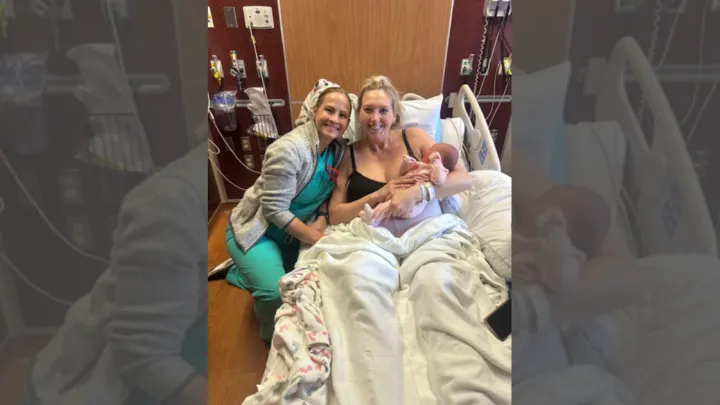
When she gave birth to her daughter, My’Rhia, on March 8, 2026, Vinson found an advocate in Nebraska Medicine labor and delivery nurse Lena Phan. She was so impressed with Phan that she praised her on social media and in a letter after her delivery.
“As a high-risk patient with a goal of achieving a successful VBAC, my birth plan required careful collaboration, communication and advocacy,” Vinson explains. “Lena took the time to thoroughly educate me, my partner, and my doula about the medical interventions that were part of my care. She ensured that we understood every step of the process and that our voices were included in decision-making.”
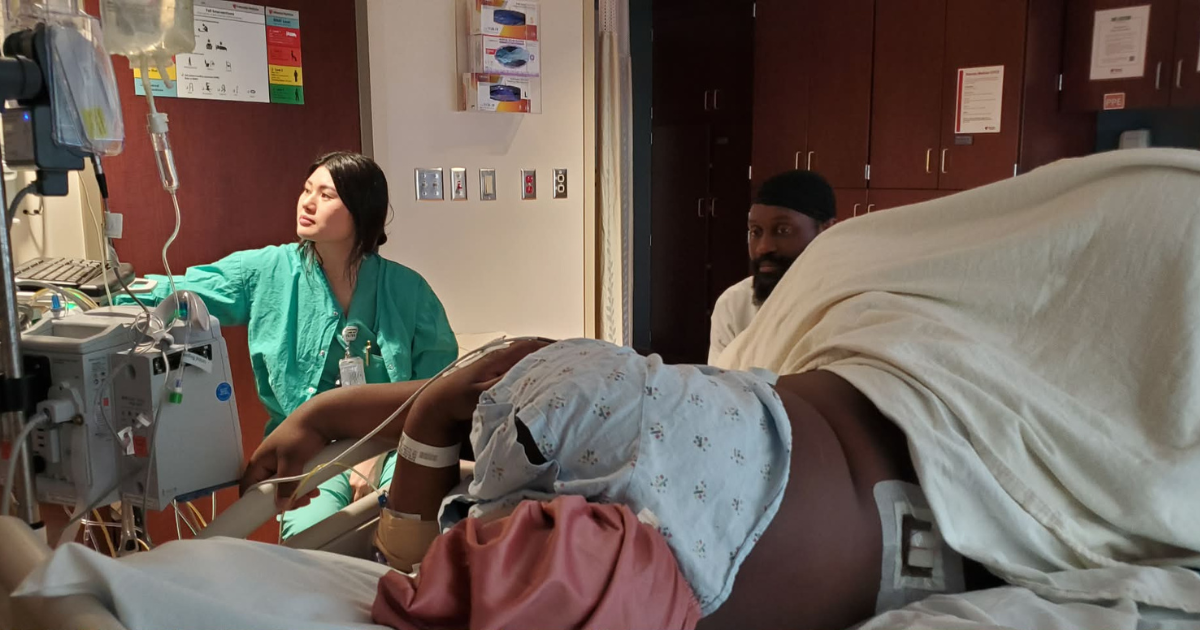
Leading up to and after her daughter’s birth, Vinson spent four days in Phan’s care. During that time, they gained a mutual respect. When labor grew longer and more intense, Phan made sure Vinson’s voice was heard.
“She knew how to advocate for herself,” says Phan, who explains how important communication is in the crucial moments of labor. “When I was working with Rhea, she asked a lot of questions. I could see that she was frustrated because not everything was making sense. So, I explained it using other terms, so she could understand what was going on. Because this is her body, her health and her baby. I wanted her to feel safe.”
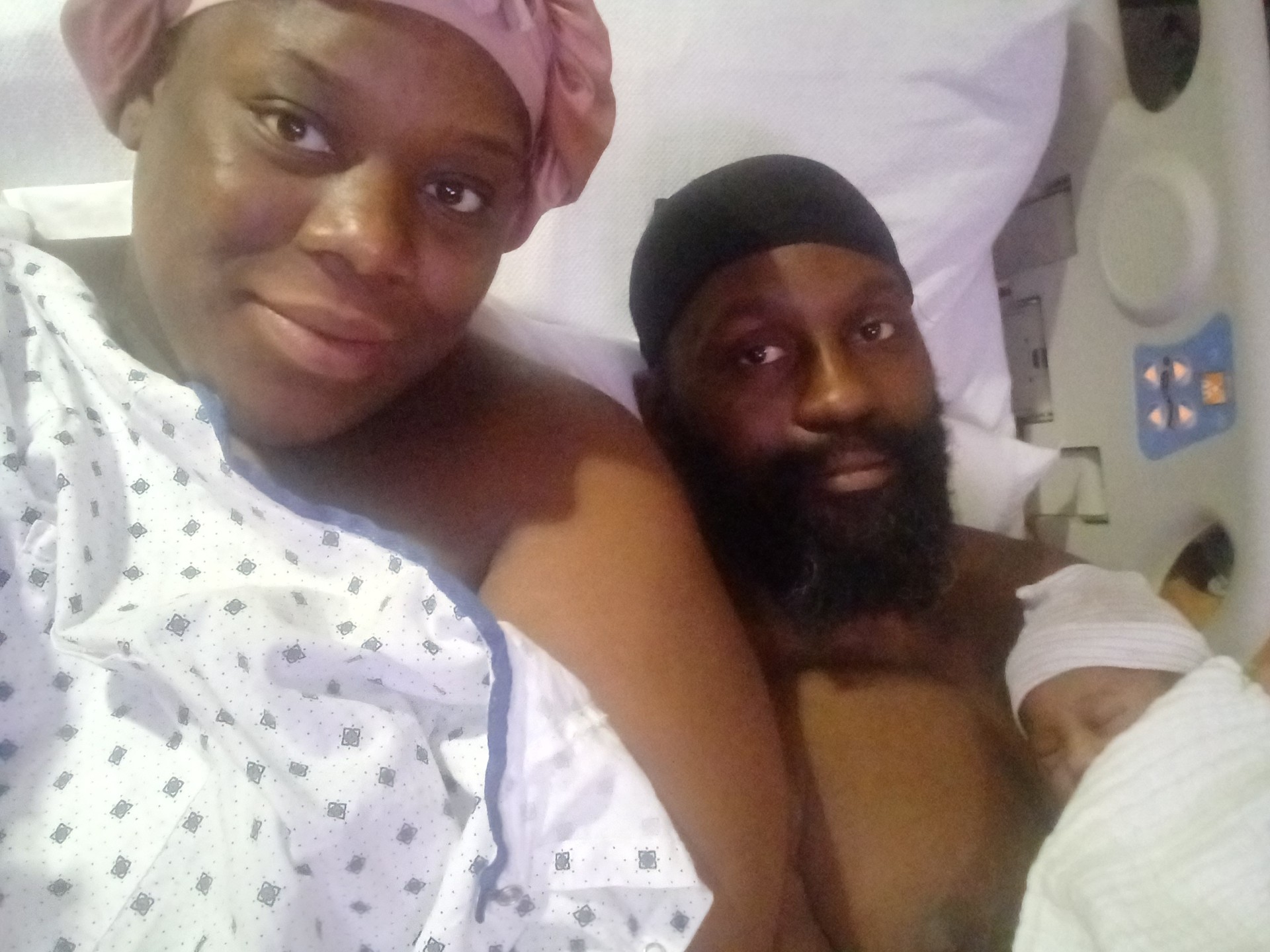
“Lena actively advocated for my birth plan and made sure my goals were respected and heard throughout my labor,” Vinson says. “Her dedication played a critical role in helping me achieve a successful VBAC, which was an incredibly meaningful and empowering outcome for me.”
Vinson experienced heavy hemorrhaging and blood loss after her delivery, and once again, Phan was by her side.
“Even after I was transferred to another department, she followed up to check on my well-being. That level of compassion and commitment to her patients is truly remarkable,” Vinson says.
Advice for others
Vinson is sharing her experience not only because of her connection with Phan, but also to offer advice to other Black women about their own birth experiences.
These are the points Vinson emphasizes:
- Have a clear birth plan and communicate it early and often. Don’t be afraid to repeat yourself or ask questions until you fully understand what’s happening.
- Build a strong support team. Having a doula, supportive partner or advocate in the room can help ensure your voice is heard when you may not have the capacity to speak up.
- Ask questions about every intervention. You have the right to informed consent - to understand the risks, benefits and alternatives before decisions are made.
- Trust your body and speak up if something feels wrong. You know your body better than anyone.
Nebraska Medicine is committed to addressing health disparities in our community, through initiatives, including implementing the STAMPP-HTN program (Systematic Treatment and Management of Postpartum Hypertension), becoming the first in the state to implement preeclampsia testing for high-risk patients and the MOTHER Nebraska Initiative (Maternal Outcomes Through Health Care Expansion in Rural Nebraska), designed to improve outcomes in rural areas.
Phan offers this advice to other health care professionals when it comes to showing care and respect.
“Work with your patients and acknowledge their frustrations,” she explains. “Say ‘Let’s pause what we’re doing. What can I do for you to make this process better? What are your reservations?’”
Phan, who is expecting her first child, says being by Vinson’s side during those four days left her inspired.
“Her determination really gave me a new look on how to not give up,” Phan says. “So, if there are moments that I want to give up during delivery, I’ll be like ‘if Rhea didn’t give up, I can’t give up.’”
“Lena’s care showed me what equitable, respectful and culturally aware health care can look like,” Vinson says. “She made me feel heard, safe, respected and supported during one of the most vulnerable experiences of my life. Because of Lena, I left Nebraska Medical Center not only with a healthy baby but with a birth experience I will be forever grateful for.”