Does vitamin B1 increase the risk of skin cancer?
A 2025 study examining the association between vitamin B1 intake and the risk of non-melanoma skin cancer raised questions. While headlines surrounding the information may sound alarming, it’s important to understand what the study found – and what it didn’t. Let’s break it down.
What is vitamin B1?
Vitamin B1, also known as thiamine, is an essential nutrient the body needs to function properly. It helps convert the food you eat into energy and supports healthy brain and nerve function.
Because the body cannot produce vitamin B1 on its own, we need to get it from food. Most people get adequate vitamin B1 through a balanced diet.
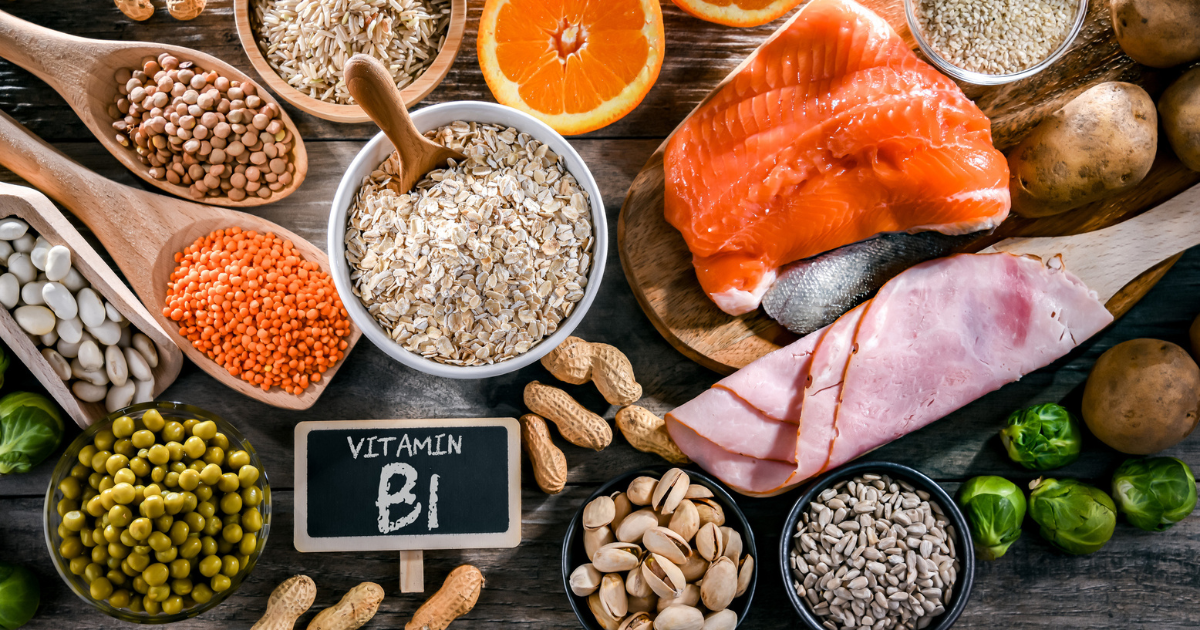
Common sources of vitamin B1 include:
- Meat.
- Fish.
- Beans.
- Nuts.
- Whole grains.
What is non-melanoma skin cancer?
Non-melanoma skin cancer is the most common type of skin cancer. It is usually treatable, especially when detected early.
The primary cause of non-melanoma skin cancer is ultraviolet radiation exposure, such as from the sun or tanning beds. Other factors that can increase your risk include:
- A personal or family history of skin cancer.
- Frequent sun exposure.
- Fair skin that burns easily.
- Older age.
Are vitamin B1 and skin cancer related?
The study found that people who consumed higher amounts of vitamin B1 were slightly more likely to report having skin cancer. However, this does not mean that vitamin B1 causes cancer. It only suggests a possible association.
Researchers also noted that people in the study who consumed more vitamin B1 tended to:
- Be older.
- Have fair skin.
Both factors are linked to an increased risk of skin cancer and may have influenced the results.
Separately, the study noted that some participants reported using dietary supplements, which may contribute to consuming vitamin B1 at levels above the recommended daily amounts – 1.2 mg per day for adult men and 1.1 mg per day for adult women.
More research is needed before any conclusions can be made about a possible connection between vitamin B1 intake and skin cancer.
What should you do?
The bottom line: Vitamin B1 is an important nutrient your body needs to stay healthy. Cutting it out is not safe.
Instead, focus on maintaining a balanced diet and staying within the recommended daily amounts. Eating a variety of fruits, vegetables, whole grains and lean protein is the best way to meet your nutritional needs safely.
If you’re concerned about skin cancer, the most effective prevention strategies remain the same:
- Avoid tanning beds.
- Limit time in direct sunlight.
- Wear sunscreen.
- Schedule regular skin checks with your doctor or dermatologist.