Can eating processed meat cause cancer?
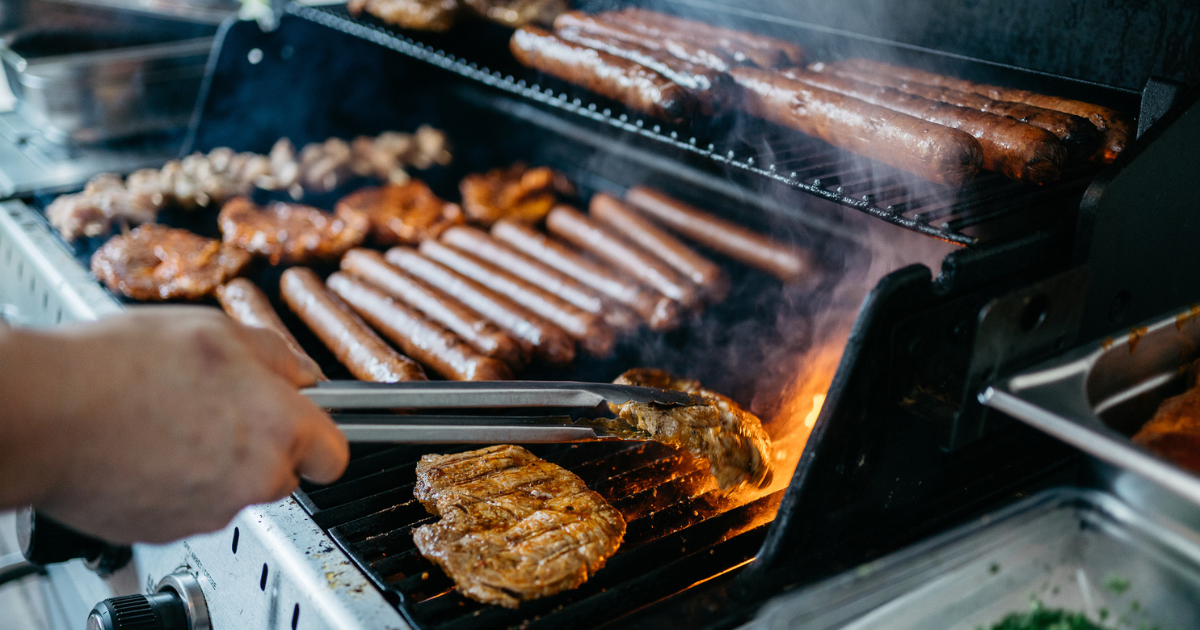
You may have heard that eating processed meats can increase cancer risk. Understanding what processed meat is can help you make informed choices for your health.
Processed meat is any meat that has been changed from its original, fresh form. These changes help the meat last longer or add flavor.
Processing methods include:
- Curing (using salts, nitrates or nitrites as preservatives).
- Smoking.
- Fermenting.
- Salting.
- Adding preservatives.
Common processed meats include:
- Bacon.
- Hot dogs and sausages.
- Deli meat, like ham, turkey, roast beef and salami.
- Pepperoni.
- Corned beef.
- Beef jerky.
- Chorizo.
Fresh, unaltered cuts of meat aren’t considered processed, such as:
- Fresh chicken, turkey or fish.
- Fresh beef or pork.
- Ground meat that hasn’t been seasoned or preserved.
Seasoning and cooking fresh meat for yourself at home doesn’t count as processing.
Processed meat and cancer risk
Research shows eating processed meat regularly can increase the risk of certain cancers, especially colorectal cancer. Experts believe this risk is related to preservatives like nitrates and nitrites, and compounds formed during smoking or curing.
This research doesn’t mean you can never enjoy a hot dog or slice of bacon. Rather, it’s best to limit how often you eat these foods. Choosing fresh, unprocessed meats more often is the healthier choice. The American Institute for Cancer Research recommends no more than 12 to 18 ounces of red meat (beef, pork or lamb) a week and little to no processed meats.