If you’ve been diagnosed with an unruptured brain aneurysm, you likely have questions about how to manage it and if, or when, you should pursue treatment.
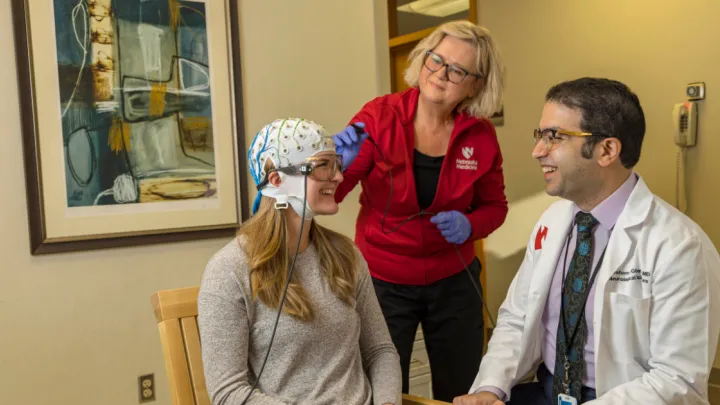
Alzheimer’s disease and other forms of dementia affect memory, thinking and everyday life. While some risk factors—like age and family history—cannot be changed, others can. One important and treatable risk factor is obstructive sleep apnea.
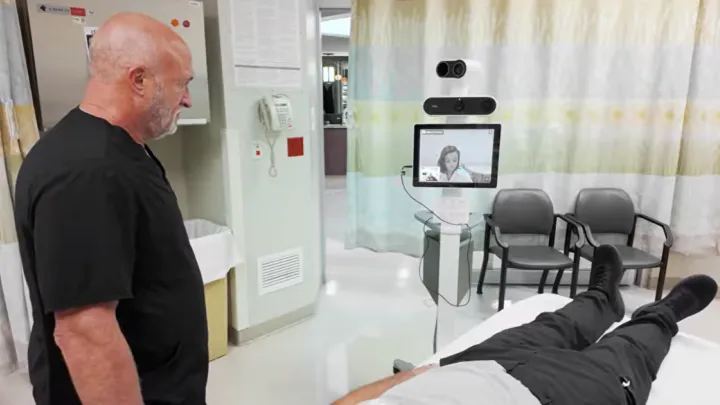
Wendy Wessling began her cancer journey over a decade ago. With her husband Tom and four children by her side, Wessling embarked on a journey she never thought she’d have to face.
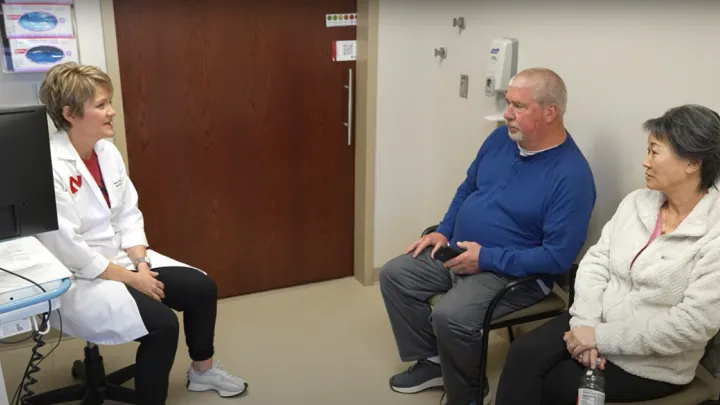
Mindy describes how a severe headache was actually a sign of an aneurysm. She credits the fast action of her husband, emergency services and hospital staff for her recovery.
More people are using AI chatbots to talk about personal problems, relationship stress and mental health issues – often instead of talking to real people or trained professionals.
We spoke to Nebraska Medicine addiction psychiatrist Sara Zachman, MD, MPH about what kratom and kava are, how people use them, what effects they have on the body and the real risks involved.
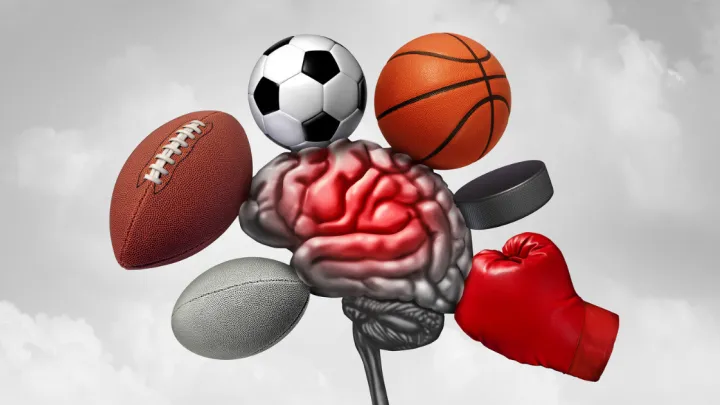
If you’re a football fan, you’ve probably heard of chronic traumatic encephalopathy (CTE). However, while more people are aware of this condition, it remains widely misunderstood.
You’re about to leave the Nebraska Medicine website. The other site may collect information about your visit, including your IP address. Do you want to continue?