Are "natural" kratom and kava products safe?
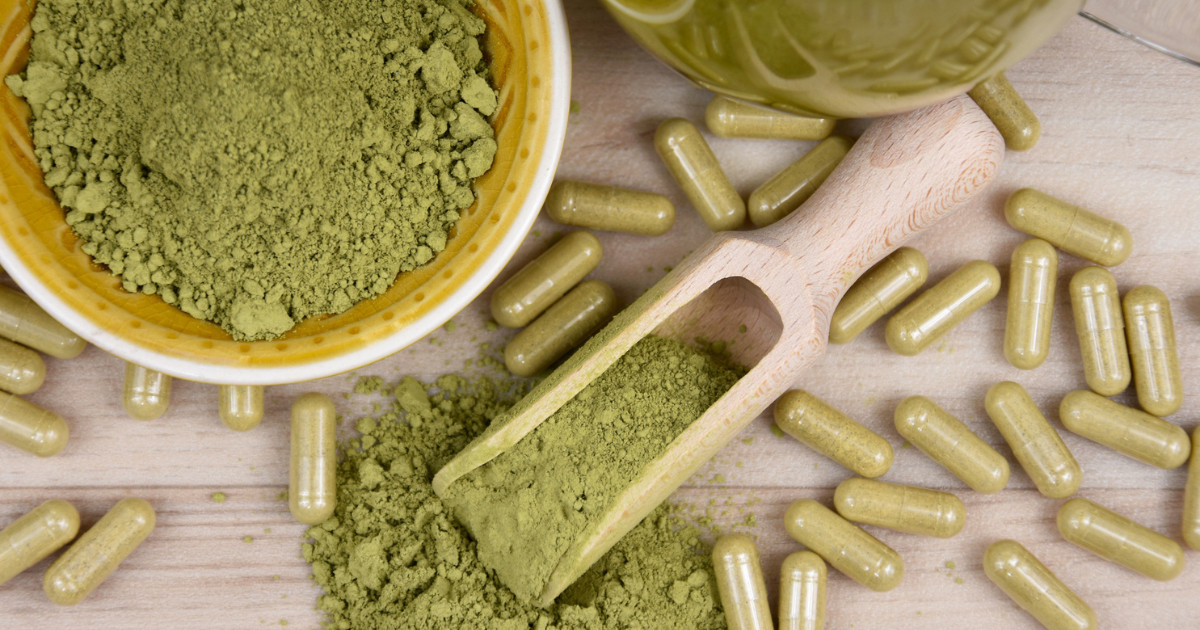
Walk into a gas station, smoke shop or health store today and you may see small bottles or powders labeled kratom or kava. They’re marketed as natural supplements that boost energy, improve focus or help you relax.
But are they really safe? And what should you know before trying them?
We spoke to Nebraska Medicine addiction psychiatrist Sara Zachman, MD, MPH about what kratom and kava are, how people use them, what effects they have on the body and the real risks involved.
What are kratom and kava?
Kratom is a leaf from a tree native to Southeast Asia, especially Indonesia, Thailand and Myanmar. For centuries, field laborers chewed the leaves or brewed them into tea to stay energized and work longer hours.
- At low doses, kratom acts like a stimulant—similar to strong coffee.
- At higher doses, it can act more like an opioid, bringing pain relief, sedation or even euphoria.
“That shift in effect makes kratom use complex and sometimes risky,” says Dr. Zachman.
Kava, on the other hand, comes from the root of a plant found in the South Pacific. Traditionally prepared as a water-based drink, it has calming, anti-anxiety effects. The World Health Organization has said that kava in traditional tea form carries a relatively low short-term health risk. But manufactured versions, especially those mixed with other ingredients, may be less safe.
How people use them today
In the U.S., kratom and kava are sold in many forms, including powders, capsules, gummies, liquid shots or teas. Some products combine both substances in one bottle. Because these products aren’t well regulated, strength and ingredients vary a lot.
“Kratom is especially tricky because it’s not a single chemical,” explains Dr. Zachman. “Scientists have identified at least 50 active compounds in the plant, called alkaloids. Two of the most important are mitragynine and 7-hydroxymitragynine (7-OH).”
Mitragynine is more abundant in the kratom plant and responsible for many of the traditional effects associated with its use. While mitragynine is known for diverse activity at various receptors, 7-OH acts more strongly and specifically like an opioid. This contributes to kratom use being unpredictable depending on dose, form and preparation.
Kava is often seen as gentler, but manufactured or concentrated versions may contain additives or contaminants that raise risk.
Effects on the body
Kratom:
- Low doses: stimulant-like, providing energy, alertness and mild mood boost.
- High doses: opioid-like, offering pain relief, sedation, euphoria and greater risk of dependence.
- Interacts with brain chemicals like serotonin, dopamine and norepinephrine, making its effects unpredictable.
Kava:
- Typically calming and relaxing, sometimes used for anxiety, stress or sleep.
- Thought to be safer in traditional tea form but less studied in modern manufactured forms.
Partly because of these mixed effects, especially for kratom, some people see it as harmless while others develop serious problems.
Risks and safety concerns
Many of the biggest risks come from how kratom and kava are produced and consumed today:
- Addiction and dependence: Many users report escalating doses. Some consume over 10 kratom shots a day, leading to withdrawal symptoms like cravings, mood changes, runny nose, muscle aches and insomnia. For pregnant people, kratom use can lead to neonatal abstinence syndrome in newborns.
- Contamination: Because products aren’t regulated, some kratom has been found to contain heavy metals, salmonella or other adulterants.
- Side effects: Reports include seizures, liver damage, respiratory depression and even death—though often in combination with other substances.
- Drug interactions: It is possible for kratom or kava to interact with prescribed or over-the-counter medications, or other substances.
- Unclear legal status: Kratom is widely available but not federally regulated. Some states are considering treating it as a controlled substance, especially stronger forms like 7-OH and for young people with developing brains
Many people assume that because these products are sold openly, they must be safe. Unfortunately, “natural” doesn’t mean risk-free.
Are kratom and kava addictive?
Kava appears less addictive, though research is limited.
“Kratom, however, can be addictive, especially at high doses or with concentrated products,” says Dr. Zachman. “Withdrawal symptoms resemble those of opioid drugs. Some people who start using kratom to boost focus or relax end up unable to stop, spending large amounts of money and centering their daily lives around it.”
Treatment often resembles opioid use disorder care. Medications like buprenorphine (Suboxone) may help with cravings and withdrawal, though they don’t address all of kratom’s effects. Therapy, peer support and counseling tend to also be important.
Who uses kratom and kava?
There are valid reasons people may be curious about or use substances like kratom and kava, including to:
- Experiment or boost energy.
- Cope with stress, pain or anxiety.
- Replace alcohol or opioid use.
Some say kratom helps them reduce or stop opioids. Others find themselves hooked on kratom itself. The results are mixed, and the risks are real.
Getting help
“If you or someone you love is struggling with kratom use, know that support is available,” says Dr. Zachman. “Addiction specialists now treat kratom addiction more often, and patients do improve with care.”
In the Omaha area: Call 800.922.0000 to schedule an appointment with Nebraska Medicine addiction services.
Nationally: Talk to your doctor, a mental health provider, or call SAMHSA’s Helpline (1-800-662-HELP) for free, confidential support.