Outpatient addiction treatment offers patients structured support for substance use disorders while maintaining connections to home, work, school and family life.
It has often been said that there is no health without mental health. Our behavioral health specialists work side by side with our medical teams in primary care and specialty clinics like oncology and transplant services.
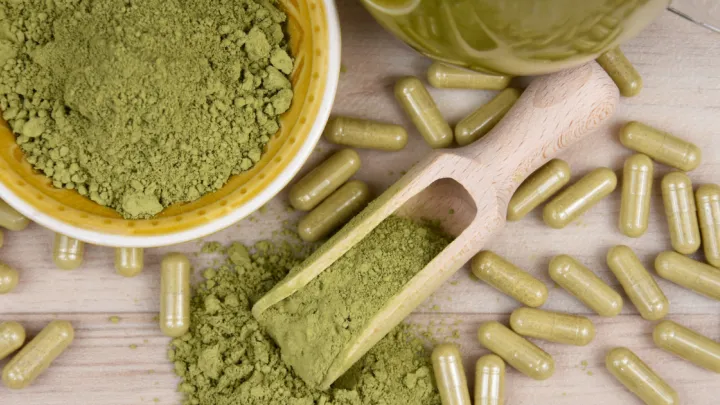
We spoke to Nebraska Medicine addiction psychiatrist Sara Zachman, MD, MPH about what kratom and kava are, how people use them, what effects they have on the body and the real risks involved.
Abstaining from alcohol during the first month of the year has become a popular trend known as Dry January. It offers numerous health benefits and can serve as a starting point for developing a healthier relationship with alcohol.
The popularity of nonalcoholic beer and drinks has exploded. While these beverages can be a good way to reduce your alcohol intake, their efficacy, especially in the lives of those with alcohol use disorder, is complicated.
For nearly 50 million Americans and their families, substance use disorder can cause a strain on even the closest relationships. While discussing the use of substances can be complex and emotionally charged, there are ways to discuss these matters in a supportive and productive way.
For many of us, drinking is an expected part of holidays and social gatherings. However, overindulging on these occasions can lead to risky drinking behaviors that harm your health and safety.
Question: I'm trying to quit smoking. What side effects should I expect, and how can I cope with them? Answered by certified tobacco cessation specialist Kecia Christensen, APRN-NP.
Excessive alcohol consumption can have a wide range of harmful effects on your health. But how much is too much alcohol to increase your risk for serious health conditions?
You’re about to leave the Nebraska Medicine website. The other site may collect information about your visit, including your IP address. Do you want to continue?