What is the difference between an upper and lower blepharoplasty?
If aging has started to make you feel like you hardly recognize your eyes in the mirror, eyelid surgery might be worth exploring. The procedure, called blepharoplasty, can be done on both the upper and lower lids.
Ophthalmologist Lauren O’Neill, MD, a fellowship-trained oculoplastic surgeon, explains the differences between upper and lower blepharoplasty and what patients can expect.
Upper blepharoplasty
Blepharoplasty is the most common eyelid surgery. Upper eyelid blepharoplasty removes extra skin – and sometimes the muscle or fat underneath – that makes the eyes look heavy or hooded.
“People will often say they feel like they look more tired, or they feel like their eyes look more squinty or closed,” says Dr. O’Neill. “Removing that excess upper eyelid skin can open up the eyes and give people a more refreshed look.”
Upper blepharoplasty is a relatively simple, low-risk procedure. Patients stay awake but receive light IV sedation and local anesthetic to numb the eyelids. The surgery itself takes about 20 to 30 minutes.
Signs you might benefit from upper blepharoplasty include:
- Feeling like your peripheral vision is more limited than it used to be.
- Noticing that you see better when you lift your eyelids or raise your eyebrows.
- Feeling like your eyes look tired, hooded, or more closed in photos and mirrors.
- Having difficulty applying eyelid makeup due to excess skin.
Lower blepharoplasty
Lower eyelid blepharoplasty surgery is more involved. It’s typically performed with the patient under general anesthesia and takes about 45 to 90 minutes, depending on what needs to be addressed.
Most people seek lower lid surgery because of under-eye bags or puffiness. As we age, or sometimes because of genetics, the fat pads around the eye can push forward and create that puffy look.
“Our goal is to remove or reposition the fat to get rid of the puffiness and the bags, and create a nice, smooth contour between the lower eyelid and the cheek,” says Dr. O’Neill.
Sometimes lower eyelid surgery also involves removing extra skin. It can be combined with skin treatments like lasers or chemical peels to address fine lines, wrinkles and thin, crepey skin under the eyes. The Nebraska Medicine oculoplastic team often works with dermatology colleagues for these add-on treatments.
Can both be done at the same time?
Yes. Many patients benefit from having both upper and lower eyelids treated during the same surgery. Your surgeon will review your concerns and recommend what makes the most sense for your goals.
What to expect from recovery
Recovery depends on which procedures you have and how your body heals, but some basics apply to both. Avoid strenuous activity for one week after surgery. Plan to come back for a follow-up visit and stitch removal, if needed, around seven to 10 days after surgery.
Most patients see about 80% of swelling and bruising clear up within the first two weeks. The rest fades gradually after that. Full healing usually takes eight to 12 weeks, and scars continue to soften and fade for up to a year. Most people feel ready to be out in public again around seven to 10 days after surgery.
Does insurance cover blepharoplasty?
Lower eyelid blepharoplasty is considered cosmetic and not covered by insurance
When it comes to upper blepharoplasty, the answer is more nuanced. If excess skin obstructs peripheral vision, the procedure may be deemed medically necessary. In that case, insurance may cover it.
Visual field testing, facial photographs, and a detailed eyelid examination are performed during the clinic evaluation to gather the data needed for insurance submission.
Why choose an oculoplastic specialist?
The eyelids are complex and unique to each person, so experience matters.
The oculoplastic and orbital surgery team at the Truhlsen Eye Institute includes two surgeons who completed a four-year ophthalmology residency, followed by a two-year fellowship through the American Society of Ophthalmic Plastic and Reconstructive Surgery (ASOPRS). Only 25 to 30 of these fellowship programs are offered worldwide each year, and roughly 600 to 700 ASOPRS-trained surgeons practice globally.
This level of training means every consultation includes a careful check for related conditions – like ptosis, a drooping eyelid caused by a muscle problem rather than excess skin – so nothing is overlooked. It also ensures that patients can have confidence in their caregivers’ expertise.
“Everyone’s eyelids and face are so incredibly different and unique,” says Dr. O’Neill. “Our goal is to rejuvenate your face – to make you look the way that you once did. Our goal is never to totally change your appearance. It’s to restore you back to the person that you used to recognize in the mirror. This requires a tailored approach for each patient.”
What to expect at a consultation
Patients can schedule their own consultation or get a referral from a primary care provider or eye doctor.
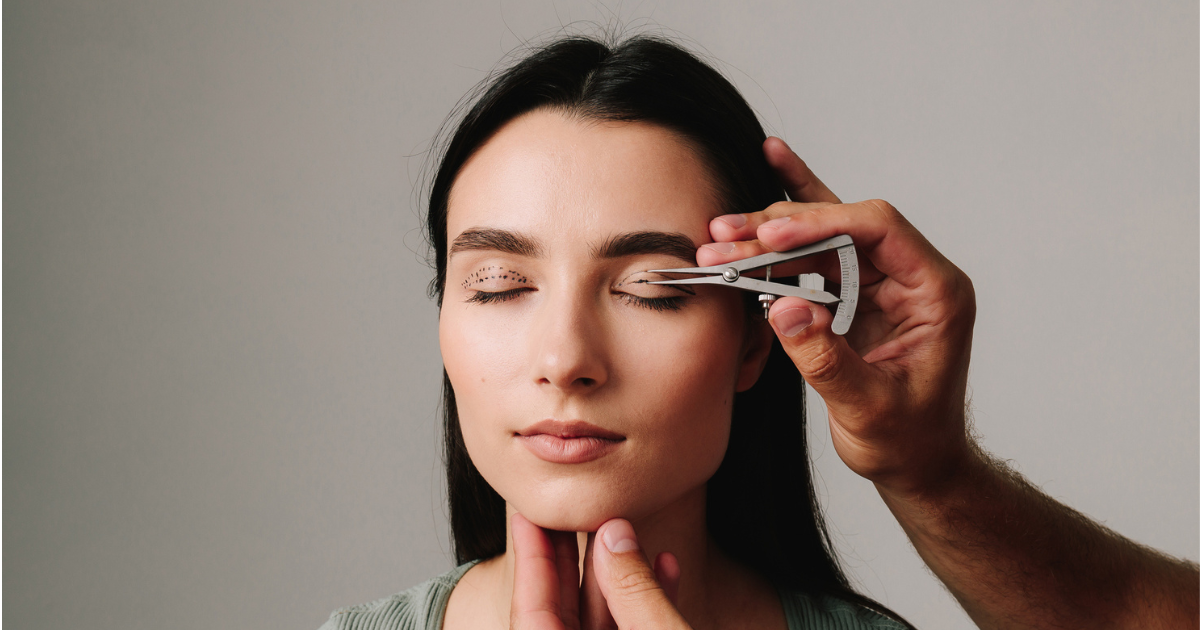
The consultation includes an eyelid evaluation with measurements and photographs, and possibly visual field testing for insurance. Your surgeon will discuss concerns and explore surgical and non-surgical options. Allow for two to three months between the first visit and surgery.