Endoscopic spine surgery: A minimally invasive option for herniated discs
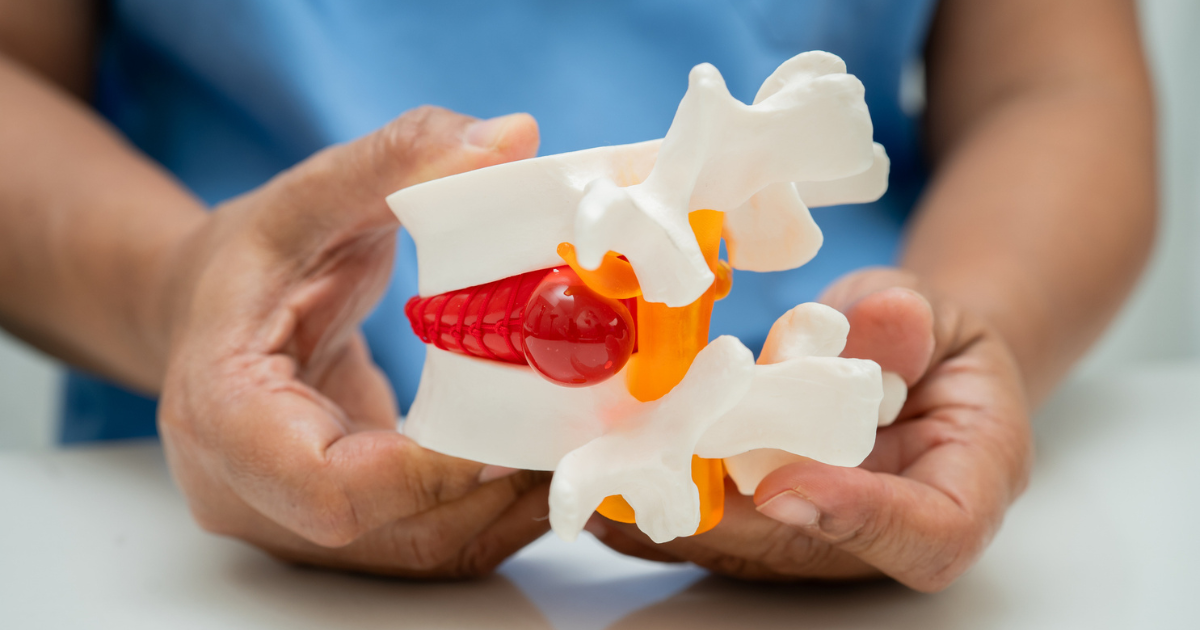
Herniated discs are a common spinal condition that can cause severe pain and significantly interfere with a person’s quality of life. Although they can happen anywhere along the spine, most herniated discs occur in the cervical or lumbar region. Herniated disc symptoms can include low back pain and progress to sciatic nerve pain down the leg, numbness, weakness or tingling.
When non-surgical treatments like physical therapy, injections or other interventions do not offer enough relief, it may be time to consider a surgical option. Fortunately, open surgical approaches have evolved into safe, minimally invasive procedures.
A relatively new technique in Nebraska, neurosurgeon Joshua Dian, MD, recently performed the first several endoscopic spine surgeries now offered by Nebraska Medicine.
“Spinal discs are like shock absorbers,” says Dr. Dian. “When there’s an injury to the lining around the disc, a portion of the material from the disc can get pushed out and put pressure on the nerve. Fundamentally, all surgical approaches share the same goal of decompressing the nerve, but the difference lies in how you get there.”
What is endoscopic spine surgery?
Endoscopic spine surgery is a newer, minimally invasive approach that allows access to the spine through a small incision. The procedure provides access to areas that are difficult to reach with other techniques and allows surgeons to target specific problem areas without major open surgery.
“This technique allows us to perform the surgery through a much smaller opening with less disturbance to the muscles,” says Dr. Dian. “We can get a better view of the surrounding tissues with pressurized irrigation that minimally disrupts the spine. It also allows us to get access to places that were hard to get into before with other open or tubular retractor approaches.”
The procedure is performed under general anesthesia and lasts around 60-90 minutes.
Who may benefit from this type of spine surgery?
This type of surgery may highly benefit people with:
- Lumbar foraminal stenosis.
- Disc herniations.
- Thoracic disc issues.
It can also be a good option for patients who are not good candidates for or cannot tolerate larger open surgeries due to medical conditions or previous major spine surgeries.
“We can also help people who have extensive degenerative changes in their spine and may be experiencing leg pain or other symptoms,” says Dr. Dian. “We can target those specific problem areas while leaving everything else alone to help patients tolerate the procedure and recovery better.”
What does recovery look like?
A quicker recovery with less pain is one of the benefits of endoscopic spine surgery. Most patients go home the same day. Because the small incision is closed with an absorbable suture and glue, there’s minimal muscle pain or incision soreness. After going home to rest, there are no activity restrictions or bracing to worry about.
Risks are low. Potential complications like bleeding, infection or nerve injury are uncommon. The small size of the instruments and surgical access also reduces the risk of causing instability or other structural issues.
“Many people are finding great pain relief, including those who have had larger spine surgeries in the past and are hesitant to have another major surgery,” adds Dr. Dian. “They can get back to their lives quickly without a lot of time in the hospital with no need for incision checks and other things often associated with bigger surgeries. Staying active is a big part of spine health, and this procedure helps us get patients back to their activities sooner.”
How do I find out if endoscopic spine surgery is an option for me?
If you’re wondering if you may be a good candidate for endoscopic spine surgery, ask your doctor for a referral. A specialist will review your previous imaging, determine whether additional imaging is needed and discuss your symptoms and treatment options.
Dr. Dian hopes to continue raising awareness of endoscopic spine surgery. In the long term, he would like to streamline the endoscopic patient care process further and continue delivering exceptional outcomes.