What is hyperthyroidism, and how is it treated?
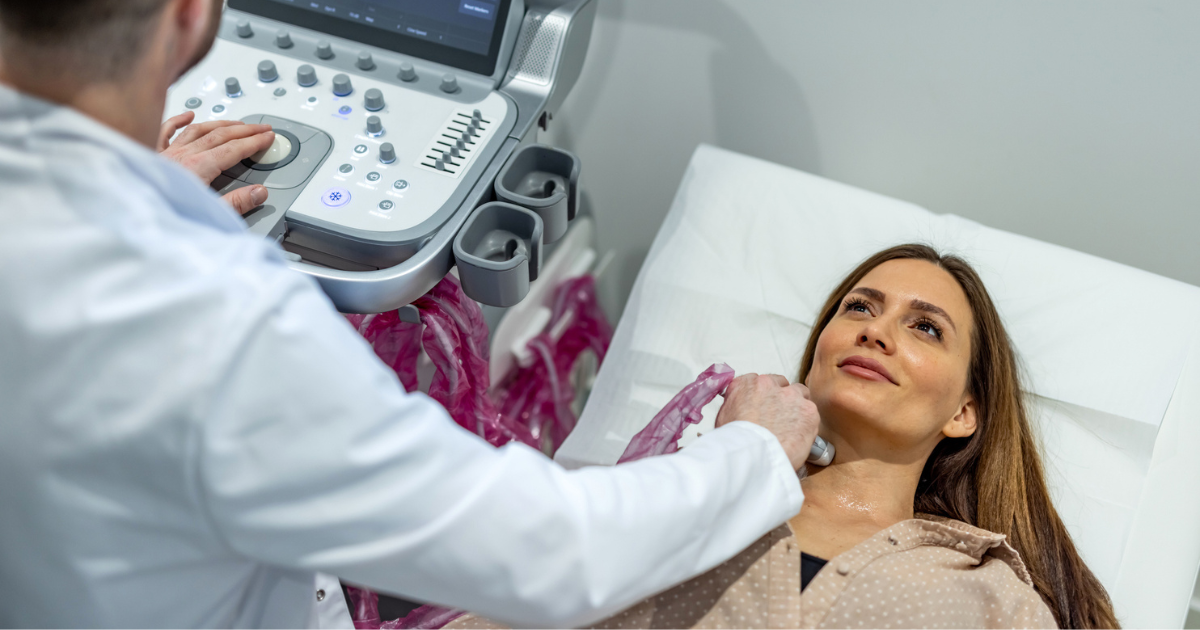
The small thyroid gland at the base of the neck has a big job. Responsible for producing important hormones into the bloodstream, the thyroid helps regulate metabolism and other essential body functions.
When the thyroid stops working as it should, it can cause a condition called hyperthyroidism. When the gland becomes overactive, it produces too many hormones, causing the metabolism to shift into overdrive.
While thyroid disease can affect both men and women, it is 10 times more likely in women between the ages of 20 and 50 (affecting 2%).
Graves’ disease is the most common cause of hyperthyroidism, affecting approximately 1 in 200 people worldwide. The risk is higher in people with a family history of autoimmune thyroid disease or a personal history of other autoimmune diseases.
How hyperthyroidism affects the body
Proper thyroid hormone levels are vital for the healthy functioning of numerous body systems. The brain, heart, muscles, vascular system, gastrointestinal system and nervous system depend on the thyroid to function well.
“Normal thyroid levels maintain a healthy balance,” says endocrinologist Anupam Kotwal, MBBS. “If thyroid hormone is high in the blood, we see too much T3, or triiodothyronine, converted in the tissues. What was supposed to be a normal equilibrium of T3 and T4 (thyroxine) instead goes into hyperdrive, disrupting the balance and healthy organ system functioning.”
Common symptoms include:
- Feeling overheated or unusual sweating.
- Tremors or shakiness.
- Rapid heartbeat.
- Insomnia.
- Hair thinning or loss.
- Increased bowel movements.
- Less frequent menstrual periods.
- Anxiety, nervousness or irritability.
- Unexplained weight loss.
- Unexplained high blood pressure, especially the upper number (systolic).
- Headaches, fatigue or poor concentration.
- Pain behind the eyes or swelling or bulging of the eyes (specific to Graves’ disease only).
When is hyperthyroidism dangerous?
Severe complications can cause a “thyroid storm,” a rare but life-threatening set of extreme symptoms requiring immediate medical care.
If very severe, not treated long-term or treated improperly, potential complications can damage organ systems:
- Cardiovascular: Atrial fibrillation, severe arrhythmias.
- Neurologic: Severe confusion, insomnia.
- Gastrointestinal: Liver failure.
- Skeletal: Osteoporosis. Even mild hyperthyroidism increases risk, especially for postmenopausal women.
Diagnosis
Hyperthyroidism is diagnosed through a physical exam and blood tests to measure thyroid hormone levels, including TSH, T4 and T3.
“A physical exam is very important because patients may have similar hormone levels, but very different symptoms from person to person,” says Dr. Kotwal. “I think of the thyroid gland and the pituitary gland like a heater and a thermostat. With hyperthyroidism, we usually see a low TSH because the pituitary, that thermostat, is downregulating because it's seeing too much thyroid hormone. The thyroid blood panel helps us confirm the levels, and once we have a diagnosis, we start looking for what may be causing it.”
Additional tests, such as a thyroid ultrasound, antibody tests or a radioiodine uptake scan, may be used to determine the underlying cause, such as Graves' disease or thyroid nodules.
Avoid over-the-counter supplements that can skew blood test results.
- Iodine supplements like kelp or seaweed. Too much iodine can trigger or worsen thyroid disease.
- Biotin is a B vitamin, which is commonly found in energy drinks and hair, skin and nail supplements. While it does not affect thyroid hormone levels, it can make the blood test appear abnormal. Stop use for a week if taking over 30 micrograms per day.
If you are experiencing symptoms, Dr. Kotwal advises asking for a TSH blood test. “TSH is not always part of the standard blood panel at your primary care visits. Once it’s determined that hormone levels are abnormal and the symptoms are there, you may be referred to an endocrinologist.”
Treatment
First, the treatment focuses on managing symptoms and balancing hormones.
“Because some tests can take a few days, we want to tone down the sympathetic nervous system to help patients feel better sooner,” says Dr. Kotwal. “Regardless of the cause, we want to see the thyroid hormone levels improve and symptoms lessen.”
Initial treatment may include:
- Beta-blockers: Used initially to manage symptoms while waiting for hormone levels to normalize. These do not affect thyroid hormone production.
- Antithyroid drugs: Oral medication that blocks the thyroid's ability to produce new hormones.
Next, doctors will look into why the hyperthyroidism is happening and discuss potential treatments. Treatment will depend upon each person’s situation and the underlying cause, such as Graves' disease or problematic thyroid nodules.
Options may include:
- Radioiodine ablation: A high dose of radioactive iodine destroys overactive thyroid tissue.
- Surgery (Thyroidectomy): Surgical removal of the thyroid gland.
- Non-Surgical Thermal Ablation (for Nodules Only) or Radiofrequency Ablation (RFA), a minimally invasive procedure using heat to destroy a specific overactive nodule.
Monitoring of hormone levels is an important part of ongoing care.
- Initially, frequent blood tests every two to four weeks to adjust medication.
- Once levels are stable, less frequent tests every three to six months.
Can the thyroid be reset?
“Unfortunately, there isn’t a very good solution,” says Dr. Kotwal. “In fact, many of the solutions out there can be riskier and make things worse. It may seem logical to think that a supplement like iodine, seaweed or kelp might help, but it can actually harm. We recommend a healthy diet, less inflammatory and processed foods, managing symptoms and blood testing. This is more important than any thyroid supplement.”