Solutions for tired-looking eyes
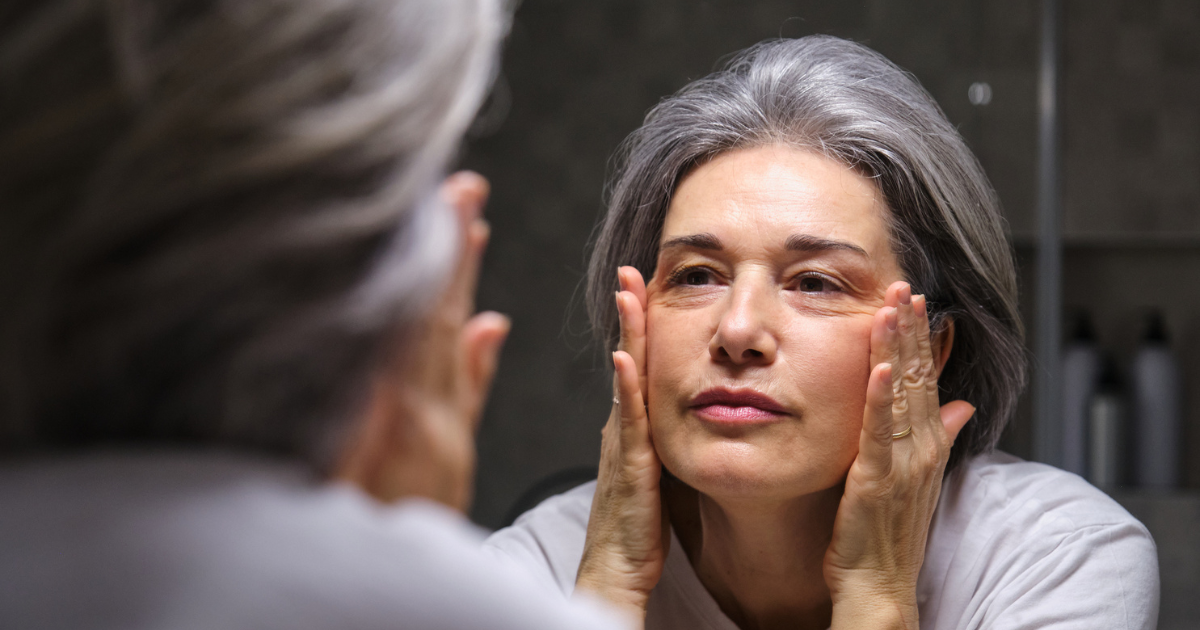
If you’ve ever looked in the mirror and thought your eyes make you look tired or older than you feel, you’re not alone. The area around our eyes is one of the first places that shows signs of aging and sometimes genetics can play a role, too.
Common causes of tired-looking eyes
Dermatochalasis (extra upper eyelid skin): Loose or sagging skin that creates a “hooded” look.
Ptosis (droopy eyelids): The upper eyelid can fall because the tendon of the eyelid-lifting muscle stretches or weakens with age.
Brow descent: As the brow lowers over time, it can make the eyelid skin appear more hooded. Droopy brows can create a sad, angry or tired expression, even when the person does not feel this way.
Lower-lid changes: Puffiness, bags, dark circles and fine wrinkles are common and often caused by a mix of loose skin, fat protrusion and thinning skin.
“Some people are simply more prone to dark circles or under-eye hollows, even at a young age,” explains oculoplastic surgeon, Lauren O’Neill, MD. “This can come from insufficient volume in the fat tissue under the eyes, pigment changes, or blood vessels showing through the incredibly thin eyelid skin.”
Solutions that can help eyes look more refreshed
Many people began noticing these features more while staring at themselves on video calls — leading to a surge of interest in eye rejuvenation treatments, such as:
Eyebrow treatments
The position of your eyebrows affects how “awake” or refreshed your eyes look. Both non-surgical and surgical options are available, including:
- BOTOX®: BOTOX relaxes the muscles that pull the brows downward. When injected strategically by an experienced provider—between the eyebrows or near the tail of the brow—it can create a subtle lift, smooth frown lines and soften forehead wrinkles. This works best for people in their 30s to 50s who have mild brow drooping and want a non-surgical solution.
- Brow lift surgery: If the brows have fallen significantly, surgery may offer longer-lasting results. There are several approaches:
- Endoscopic brow lift: Small incisions are made behind the hairline, and endoscopic instruments lift the brows and forehead together. Scars are minimal and hidden.
- Pretrichial (hairline) brow lift: An incision is made along the hairline and forehead tissue is removed to raise the brows and forehead as one unit. This approach can also shorten a tall forehead, which some patients prefer.
- Direct brow lift: This approach may be recommended in cases with significant brow drooping. An incision is made above the brow and a precise amount of skin is removed to raise the brow.
- Internal brow lift: For subtle lifting, a small internal brow stabilization can be performed at the same time as upper eyelid surgery.
Upper eyelid procedures
- Upper lid blepharoplasty (eyelid lift): If your main concern is excess upper eyelid skin, a blepharoplasty can help. During this outpatient procedure, the surgeon removes redundant skin, and sometimes a small amount of fat, through an incision hidden in the natural eyelid crease. It takes about 20 minutes per eye and can make the eyes appear brighter and more rested.
- Ptosis repair: When the upper lid droops because of a problem with the eyelid-lifting muscle, surgery may be recommended to restore the lid to its normal position, improving both vision and appearance. The type of surgery depends on the underlying cause and severity of the ptosis.
Lower eyelid procedures
- Lower eyelid blepharoplasty: The most common concern here is puffiness or “bags” under the eyes, caused by fat pushing forward beneath the skin. In this cosmetic procedure, the surgeon typically makes a small incision inside the lower eyelid so there’s no visible scar. The protruding fat is either removed or repositioned to smooth the transition between the eyelid and the cheek.
- Skin tightening: If fine lines, wrinkles or crepey skin are the main issue, chemical peels or laser resurfacing can help improve skin quality and texture. For patients with significant excess skin, a “skin pinch” may be done during blepharoplasty to remove extra skin for a smoother result.
- Fillers: In the appropriate candidate, dermal fillers can be injected to fill undereye hollow areas to restore volume and provide a more youthful appearance.
Consultation and surgery
Patients can refer themselves for a consultation with our oculoplastics team, comprised of experienced surgeons Lauren O'Neill, MD and Rao Chundury, MD, or be referred by an eye doctor or primary care provider. During your consultation, your surgeon will:
Take photos and detailed measurements and perform a thorough examination of your eyelids and brows.
Discuss your goals and review both surgical and non-surgical options.
If you elect to proceed with surgery, the surgical coordinator will schedule your surgery, obtain medical clearance and review any necessary medication adjustments. Eyelid and eyebrow procedures are done at outpatient surgery centers and patients go home the same day.
“Upper eyelid surgeries are usually done with local anesthesia and light sedation,” says Dr. O’Neill. “You’ll be relaxed but awake and able to go home shortly after. Brow lifts and lower lid blepharoplasty, which are more involved, are often done under general anesthesia but are still outpatient procedures.”
Recovery
Swelling and bruising are normal and most noticeable in the first week after eyelid surgery. These typically fade within two weeks, and most patients feel comfortable being social again after 10 to 14 days.
“After your procedure, you’ll need to avoid strenuous activity for about a week,” says Dr. O’Neill. “Discomfort is usually mild and can be managed with Tylenol®. Stitches are removed at your first post-operative visit, about one week after surgery. While healing varies, most patients see final results and have minimal residual swelling by 6 to 8 weeks.”
Costs and insurance
Whether eyelid surgery is considered cosmetic or medical depends on your symptoms and objective metrics obtained during your consultation. If surgery is cosmetic, you will be provided with a detailed cost estimate after your consultation.
When to consider surgery
There’s no “right age” for eyelid or brow surgery. It depends on your goals and how much the appearance of your eyes bothers you. Some patients seek subtle refreshment in their 30s or 40s; others wait until later in life. The best first step is a consultation with an experienced oculoplastic surgeon who can walk you through all available options.
To determine if eyelid surgery is the right for you, call 800.922.0000 or visit the oculoplastic and orbital surgery webpage.