How to create an effective skin care routine
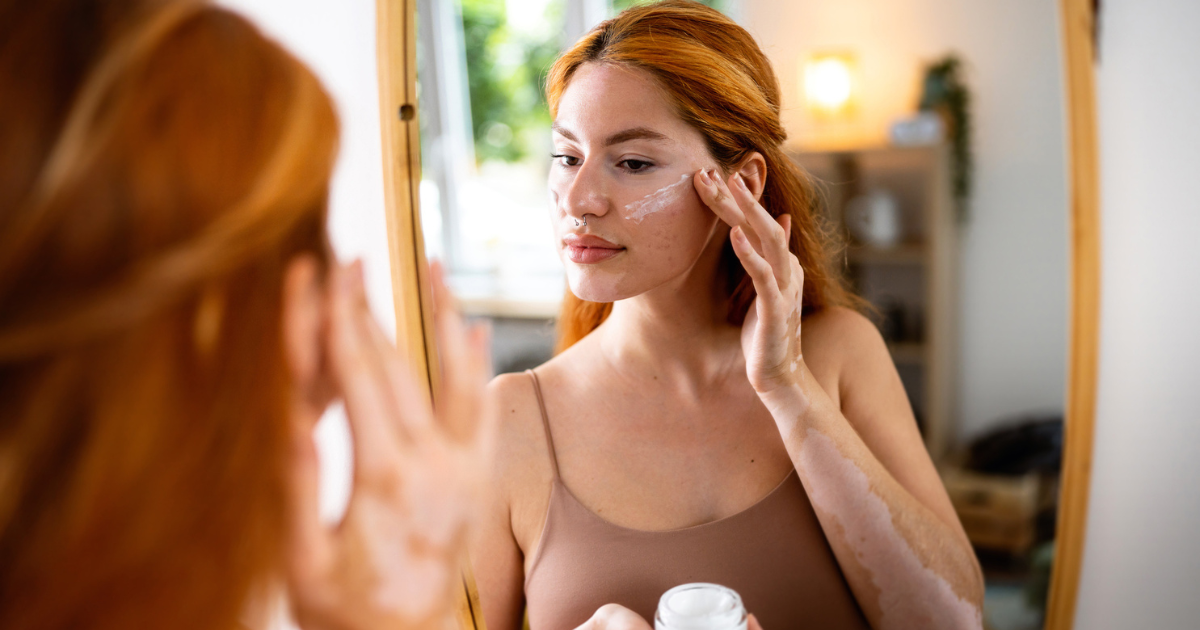
Standing in the skin care aisle trying to determine which products to use can be overwhelming. You may wonder: Which ones are really necessary? Is there a right or wrong way to apply them? Should they be used in the morning or night? And in what order?
Nebraska Medicine dermatologist Ronald Sulewski, MD, sheds some light on these common skin care questions.
“A good skin care routine should focus on skin protection, cleansing, moisturizing, prevention and support,” Dr, Sulewki says. “If you want a skin care routine that can help slow signs of aging and skin damage, you may want to add additional skin care products to your regimen. While we can't prevent all signs of aging, there are strategies that can help protect and improve our skin.”
“We can do an in-office evaluation to help you determine the best regimen of skin care products for you based on your age, unique skin type and any special concerns,” says Dr. Sulewskl.
Dr. Sulewski says these four steps should be a part of almost everyone’s skin care routine.
Step One: Skin protection
Using a daily sunscreen with UVA and UVB protection to help prevent skin cancer and sun damage should be a priority in every skin care routine. Higher SPF levels offer more effective protection.
In addition to sunscreen, you'll also get protection from a brimmed hat and covering up with clothing, especially polyester, which by nature provides 50 SPF protection. Keep in mind that even while driving, you are exposed to UVA rays through your windows.
The sun’s harmful rays also cause photoaging or sun damage. This occurs when UV radiation creates free radicals, which alter the DNA in your skin cells. This process leads to fine lines and wrinkles.
Step Two: Cleanse
Clean skin is an important aspect of overall health. The most common active ingredients in acne cleansers are benzoyl peroxide and salicylic acid. However, these ingredients can irritate sensitive skin.
- Benzoyl peroxide fights acne by killing bacteria, unclogging pores and reducing inflammation. It's a common over-the-counter ingredient found in many acne treatments. Side effects may include skin irritation, dryness and increased sun sensitivity.
- Salicylic acid, a beta-hydroxy acid (BHA), helps exfoliate by loosening the bonds between dead skin cells and promoting smoother texture.
Certain cleansers may contain peptides, which can help brighten skin, reduce blemishes, boost hydration or fight signs of aging.
Step Three: Moisturize
Moisturizing helps reduce dry skin and provides multiple benefits, including improved texture and appearance and decreased inflammation (itch). Moisturizing cleansers do not typically replace your moisturizer in your skin care regimen.
Apply moisturizer in the morning and at night, especially in the winter months or if your skin is very dry. “A good rule of thumb, if it feels good on your skin, use it,” says Dr. Sulewski.
Moisturizing products come in several forms including:
- Lotions, which contain water and alcohol.
- Creams, which are ointments with added water.
- Ointments like petroleum jelly.
“I recommend creams or ointments over lotions as these are better at providing a protective barrier on the skin that helps prevent moisture loss,” says Dr. Sulewski. The best time to moisturize is right after a shower or cleansing to trap moisture into the skin.
Step Four: Anti-aging
As we age, we lose collagen and elastin, resulting in wrinkles and more easily bruised skin. We also lose subcutaneous fat and natural moisture, which can lead to dry skin and more irritation.
In addition to daily moisturizer and sunscreen, consider adding one or more of these anti-aging products:
- Retinols: A form of vitamin A that helps reduce fine lines, improve skin tone and even out pigmentation. Available over-the-counter and in prescription form for stronger solutions. It is one of the most important anti-aging topicals you should use, notes Dr. Sulewski.
- Anti-oxidant creams: Vitamin C and E help protect against skin-damaging threats like pollution, UV rays and other environmental factors. Vitamin C can also brighten the skin and even out tone.
- Growth factors: Proteins that promote skin cell growth and cell turnover, help reduce wrinkles and improve skin firmness and elasticity.
- Peptide serums: Amino acids that improve skin elasticity, reduce wrinkles and promote skin repair.
These products can be used together without counteracting each other. “In general, you typically don’t need to be concerned about using multiple over-the-counter topicals at the same time,” says Dr. Sulewski.
However, if you have sensitive or dry skin, you may need to avoid retinols, which can irritate your skin, notes Dr. Sulewski. They may also cause hyperpigmentation to people of color.
Recommended routine
While there are no hard and fast rules on how to apply many of these products, Dr. Sulewski offers the following recommendations: “I like to simplify a daily routine by using some of the products in the morning and some at night so it’s not so overwhelming and to maximize effectiveness,” he says.
Morning routine:
- Gentle cleanser.
- Anti-oxidants (vitamin C, vitamin E) to protect skin throughout the day.
- Moisturizer with peptides for improved skin elasticity and hydration.
- SPF for UV protection.
Bedtime routine:
- Gentle cleanser.
- Retinol (best used at night due to sun sensitivity).
- Growth factors to promote skin cell growth and cell turnover.
- Moisturizer.
Final advice
Skin care products can be expensive. A bigger price does not always mean bigger results. “Consider consulting with a board-certified dermatologist to tailor a skin regimen plan to fit your specific needs and maximize benefits,” says Dr. Sulewski.
To schedule a consultation with a board-certified dermatologist, call 800.922.0000, schedule a video visit or schedule an appointment online.