What you need to know about the compounded GLP-1 ban
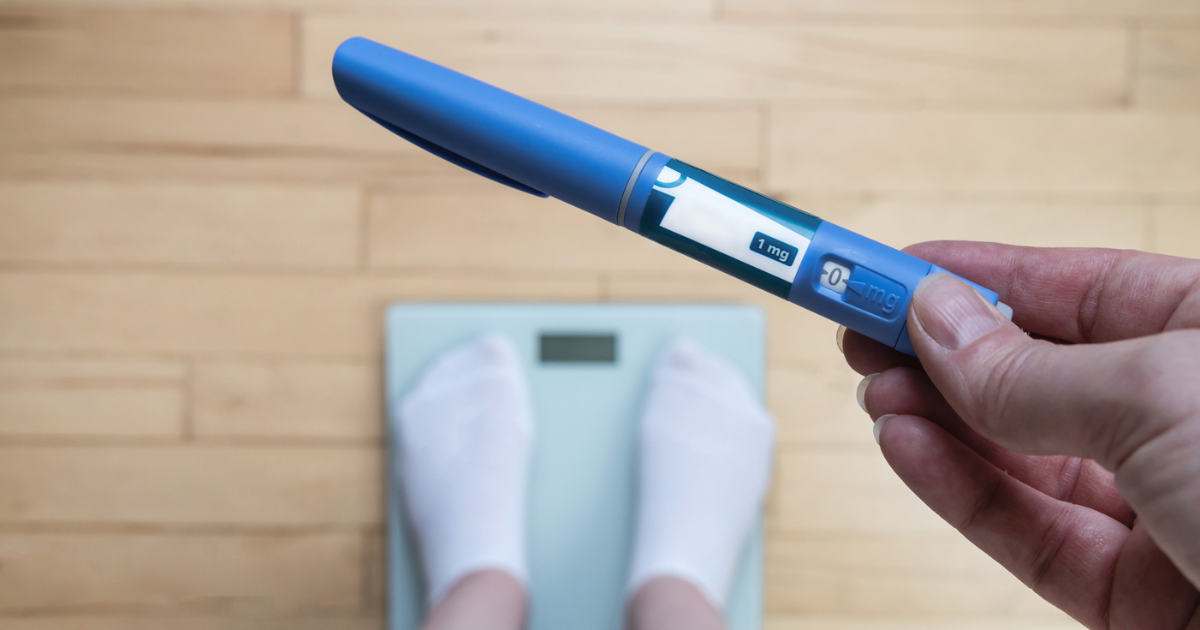
If you’ve been using semaglutide (found in Ozempic® and Wegovy®) or tirzepatide (Zepbound® or Mounjaro®) to manage your blood sugar or weight, you’ve likely heard about new changes in how these medications are made and sold. Here’s what’s going on, what it means for you and what to do next.
Semaglutide and tirzepatide are GLP-1 (glucagon-like peptide-1) receptor antagonists. They help regulate blood sugar and can also support weight loss. When combined with exercise and a healthy diet, they have been life-changing for many people with obesity and/or type 2 diabetes.
What are compounded GLP-1s?
Many people turned to compounded versions during the nationwide shortage of brand-name prescription medications. These were often sold through med spas or online retailers. They were usually cheaper and easier to get, but there were concerns about how they were made and whether they were safe and effective for long-term use.
“Due to the production and supply chain issues with these drugs, people were allowed to use non-FDA-approved clones,” says Nebraska Medicine bariatric surgeon Cori McBride, MD.
“Pharmacies in other countries bought the drugs and reverse-engineered them as a short-term solution. This can only be done if there are shortages in the United States.”
The FDA officially announced that the shortage is over, meaning pharmacies must stop making and selling compounded medications.
“Once the shortage ended, the FDA made it clear that these clones are no longer allowed,” Dr. McBride continued. “They were never truly generics, and pharmacies can’t label them as brand-name medications.”
Why this matters
Compounded GLP-1s weren’t held to the same quality or safety standards as the brand-name versions. Some had too little or none of the active ingredient. Others delivered wrong doses.
“You never really knew what you were getting with these clones,” says Dr. McBride. “I’ve had patients spend thousands of dollars on compounded versions and barely lose any weight. In some cases, the medication didn’t even contain the active drug. It’s incredibly frustrating for patients.”
If you’re switching off a compounded version, talk to your doctor. If you were on a high dose, your doctor may recommend starting lower for your safety.
What are the options now?
If compounded versions are no longer available, don’t worry. There are still safe, effective options to use.
“Patients who had success on compounded GLP-1s should talk with their primary care providers or obesity medicine specialists,” says Dr. McBride. “More insurance plans are covering FDA-approved medications now than before.”
If your insurance doesn’t cover the injectable pens, some patients may save money by getting medications in vials and using syringes instead. If you’re in a maintenance or plateau phase, other medications may help sustain your progress or prevent weight gain.
Some people who started with GLP-1 medications are now exploring surgical options as a more lasting solution.
“These medications helped people take obesity seriously as a chronic condition,” says Dr. McBride. “They’ve made some patients realize they don’t want to or can’t afford to be on weight loss medications forever. Now they’re open to other options like surgery.”
Bariatric procedures work on the same system in the body as GLP-1s. They help regulate hunger and fullness.
If you’re interested in exploring surgical options, your health care provider can refer you to a bariatric specialist, or you can reach out directly to the Bariatrics Center at Nebraska Medicine.