Can the Fibermaxxing trend help you lose weight?
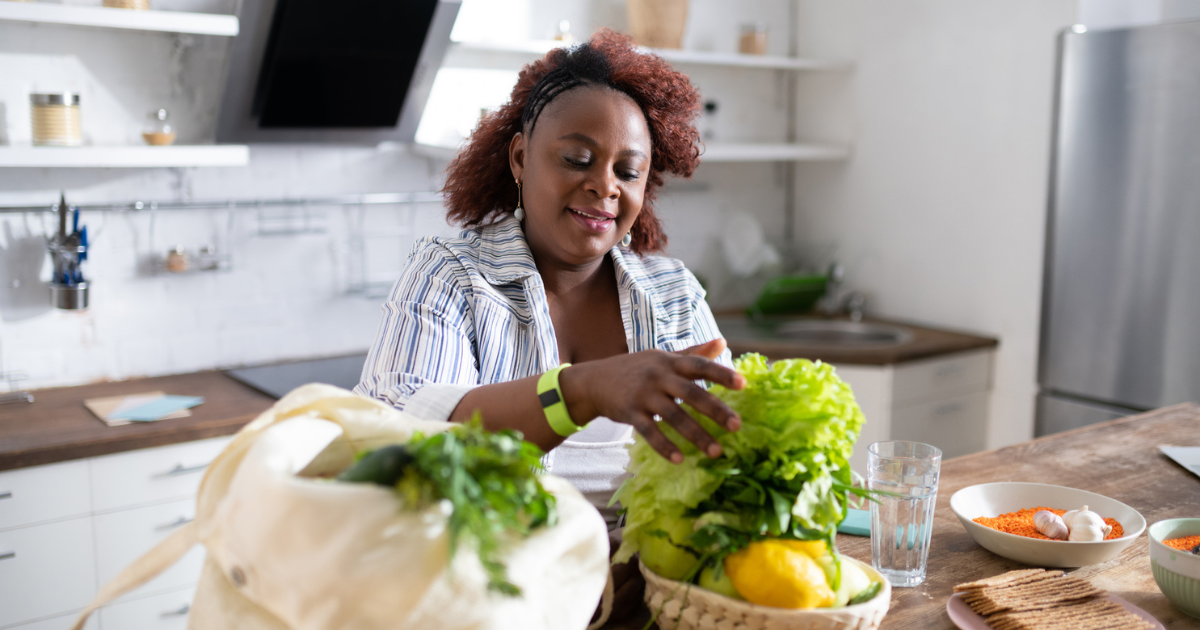
There’s a new social media trend making the rounds, and this time, dietitians are excited about it. The best news? It’s easy and almost anyone can do it. If it hasn’t come across your algorithm yet, “fibermaxxing” showcases the health benefits of having a fiber-focused diet. But can it help with weight loss? And is it safe to go all in? Erin Eilers, a Nebraska Medicine bariatric nutrition therapist, says yes.
But with a slight caveat.
“Fiber is a super critical component of weight loss and satiety,” says Eilers. “That said, there can be too much of a good thing. I always recommend balancing fiber with adequate protein and fluids.”
What is fibermaxxing?
Fibermaxxing refers to eating as much fiber as possible through fiber-rich foods such as fruits, vegetables, legumes and whole grains. It has gone viral on social media, with users talking about its digestion, appetite control and weight loss benefits.
Unlike protein and fat, fiber is a complex carbohydrate that the body can’t digest. That means it doesn’t add to caloric intake, but it does slow digestion and keeps you feeling full for longer.
Insoluble vs. soluble fiber
There are two types of fiber: soluble and insoluble. Soluble fiber dissolves in water and slows digestion. Insoluble fiber adds bulk to stool and helps food pass through the digestive system.
Soluble fiber is found in:
- Oats.
- Beans.
- Apples.
- Berries.
- Nuts.
Insoluble fiber is found in:
- Brown rice.
- Whole grains.
- Green beans.
- Broccoli.
- Cabbage.
It’s important to eat a balance of both fiber types for gut health and feeling your best.
The weight loss connection
One of fiber’s biggest benefits is its impact on satiety, the feeling of fullness that reduces overeating. Because fiber delays gastric emptying (how quickly food leaves the stomach), it helps regulate portion sizes.
“The ideal fibermaxxing diet would aim for 25 to 35 grams of fiber per day,” says Eilers. “That’s the recommended daily amount for most adults.”
This is where the fibermaxxing trend gets it right; most Americans are not getting enough fiber in their diets.
Adapt gradually
It might be tempting to go all in on a high-fiber diet, but Eilers cautions against doing too much too fast. A sudden increase in fiber can cause bloating, cramping and digestive distress if your body isn’t used to it.
“Start small, not at the full 25 grams of fiber,” says Eilers. “Most people get 5 to 15 grams, so start increasing that by 3 grams per day until you reach the 25 to 35 grams. Drink lots of water while you increase fiber, at least 64 ounces per day.”
High-fiber foods include:
- Fruits like pears, strawberries, raspberries, blueberries, avocados and blackberries.
- Veggies like broccoli, cauliflower, Brussels sprouts and carrots.
- Legumes like kidney beans, lentils, chickpeas, black beans and lima beans
- Whole grains like oats and quinoa.
The bottom line
While fibermaxxing isn’t just another diet trend, it’s best done with intention and balance. Focus on whole foods, stay hydrated and talk to a health care provider or dietitian if you need help getting started.
Call 402.559.9500 to schedule an appointment with the Nebraska Medicine bariatrics team or learn more about how to start the weight-loss process.