The FDA has approved updated COVID-19 vaccines for the 2025-2026 season. The new guidelines have created some confusion. Below, we explain how to get a COVID vaccine.
Pancreatic cancer is considered rare, with an estimated 67,440 new cases diagnosed in the U.S. in 2024. Even so, it is the third-leading cause of cancer-related death in the U.S.
Cardiomyopathy is a disease of the heart muscle. Unlike problems with heart rhythm (electrical issues) or blocked arteries (blood flow issues), cardiomyopathy affects how the muscle itself works.
We may not think about the shape of our nails too often. But sometimes, they can reveal what’s happening inside our bodies. One nail change that doctors recommend watching closely is something called nail clubbing.
If your baby is born premature or with medical challenges, Nebraska Medicine’s NICU team is specially trained to care for these fragile babies in a developmentally supportive environment to help them grow and thrive.
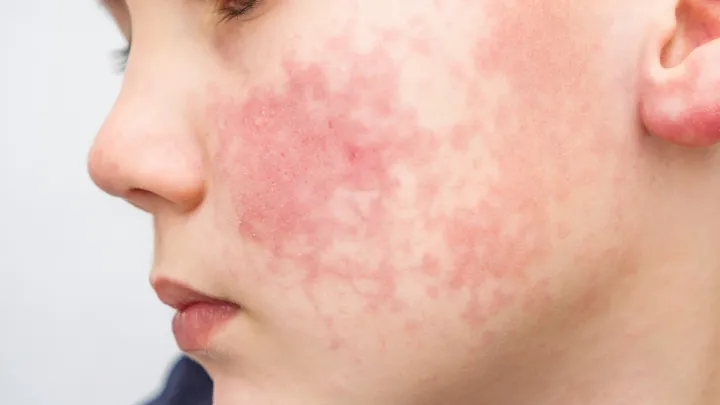
If your child suddenly has red cheeks, you might think they spent too much time outside. That bright red rash may actually be a sign of fifth disease, also called “slapped cheek syndrome.”
Prostate cancer treatment has changed a lot in recent years. What one expert calls a previously “boring space” has become one of the most exciting areas in cancer care.
We all know that eating right is a good thing. During the postpartum period, your body needs time and energy to heal. Nutrition helps the healing process.
You’re about to leave the Nebraska Medicine website. The other site may collect information about your visit, including your IP address. Do you want to continue?