What you need to know about knee replacement surgery
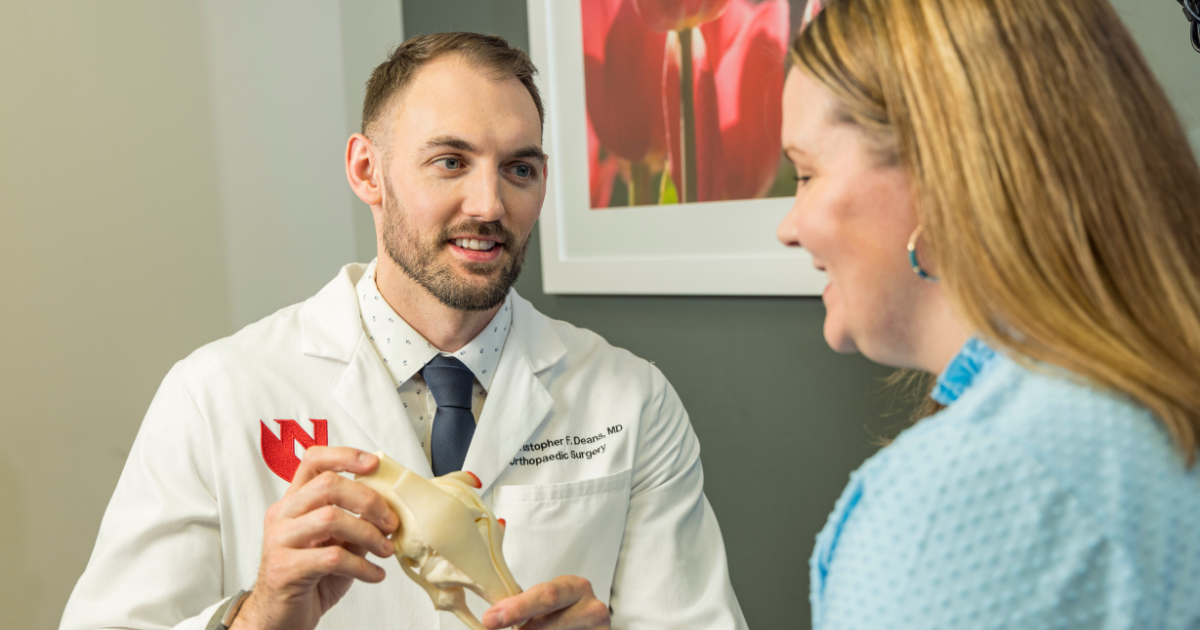
Cartilage is the smooth tissue that covers bone ends in joints. This allows them to glide without friction. When cartilage wears away due to injury, arthritis or overuse, bones rub together, causing pain.
When do you need a knee replacement?
“Patients need to have an advanced degree of osteoarthritis seen on X-rays in the knee,” says orthopaedic surgeon Christopher Deans, MD. “Once there’s confirmed osteoarthritis in the knee, the most important question becomes, how much is it limiting your daily life and the activities you enjoy?”
Knee pain might interfere with activities like climbing stairs, sleeping or playing sports.
“Once you have arthritis and knee pain is limiting your daily life, we explore the options available that will allow you to maintain your activities and minimize your pain before resorting to a total knee replacement,” Dr. Deans says.
Treatment options before surgery
Before considering knee replacement, doctors recommend trying non-surgical treatments. These may include anti-inflammatory medications, losing weight, physical therapy, injections and nerve blocks.
“When these methods fail and you have exhausted the nonoperative therapies – or your function continues to decrease – we should have a serious conversation about doing a knee replacement,” Dr. Deans says.
Preparing for surgery
If you decide on surgery, preparing your body is crucial. “We’re going to control all of your risk factors going into surgery, so you’re as healthy as you can be to maximize the outcome,” Dr. Deans says.
First, minimize or stop taking opioid pain medications. “Eliminating opioid use makes the postoperative pain control and overall recovery better,” Dr. Deans says.
Second, focus on nutrition and safe weight loss if needed, focusing on protein, healthy fats and a low-inflammatory diet.
Third, maintain knee strength through low-impact exercises like biking or swimming.
Finally, continue to take care of medical problems such as blood pressure or diabetes, and establish good sleep habits leading up to surgery.
Surgery day and recovery
You’ll arrive around two hours before surgery. Some patients go home the same day; others stay overnight.
“If it’s safe, we prefer that you go home after surgery because patients recover better when they are home,” Dr. Deans says.
While risk of complications is low, the most common include infection and stiffness. For a full recovery, it’s important to work closely with your care team and follow postoperative directions.