Scabies: Symptoms, diagnosis and treatment
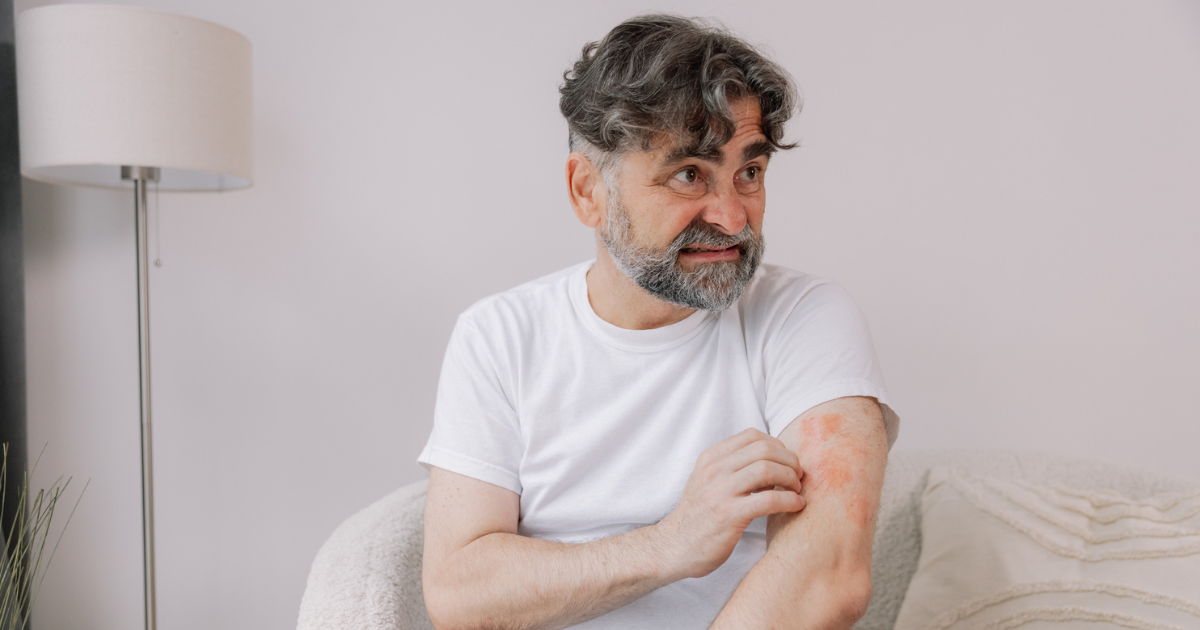
Intense itching that worsens at night, especially between the fingers and folds in the body, could signal a scabies infection.
“Scabies is caused by mites that crawl and burrow down into human skin and cause a really itchy, terrible rash,” says dermatologist Jennifer Adams, MD.
These microscopic parasites create tunnels where they lay eggs, causing an intense allergic reaction that causes itching and a distinctive, track-like rash.
Recognizing the symptoms
Scabies causes severe itching, especially at night. You may have small bumps and red, irritated skin from itching areas scabies mites prefer, including:
- Between fingers and toes.
- Wrists, elbows and knees.
- Armpits.
- Waistline.
- Genital area.
“It’s really, really intense itching with scabies,” Dr. Adams says. “People start to get almost like pimple-like spots, especially on the webbed spaces on the hands or in the body folds.”
Why nighttime is worse
Many people with scabies notice their symptoms get worse at bedtime. There are two reasons for this frustrating pattern:
- Mite activity increases at night. “The mites are more active in the evening, so they’re doing a lot of burrowing and laying eggs in the skin,” Dr. Adams says. “The more that they are leaving in the skin, the more our skin forms a reaction to it.”
- Heightened awareness. “Our mind is not stimulated at night. So, we’re sitting there in the dark and thinking about how itchy we are, and the more we scratch, the more it stimulates an itch response.”
How scabies spreads and timing of symptoms
Scabies is contagious and spreads primarily through direct skin-to-skin contact. Common ways it spreads include:
- Skin-to-skin contact with an infected person.
- Sharing clothing or bedding with an infected person.
The timing of symptoms depends on prior exposure:
- First-time infection: Symptoms may take 2 to 6 weeks to appear.
- Previous infection: Symptoms may appear within 1 to 4 days.
Is it scabies or another itchy condition?
Doctors often need to distinguish scabies from other skin conditions like eczema or bedbug bites.
Scabies vs. bedbugs
- Bedbugs cause large red welts that appear in lines on the skin.
- Scabies causes tiny bumps, especially in webbed spaces.
Scabies vs. eczema
- Eczema appears in different locations on the body and can be scaly.
- Scabies mites prefer body folds and create visible burrows.
Your doctor will use a magnifying scope with a bright light to closely examine your skin.
“We can see little burrows in the skin when we look really closely with our light, and you can actually see the tracks,” Dr. Adams says.
Treatment
Scabies will not go away on its own and requires prescription treatment. Options include:
- Prescription topical creams and lotions.
- Oral medications that kill mites.
The most important aspect of scabies treatment is the timing. Patients need two rounds of treatment, one week apart.
“Our treatments for scabies only kill off the adults,” Dr. Adams says. “Then the eggs end up hatching and then start the infection again. So, you have to repeat the treatment one week later, so that you’re killing the mites that are there and any of the eggs that will turn into adult mites the next week.”
Who should be treated?
If you are diagnosed with scabies, it’s a good idea for everyone living with you to be treated.
“We recommend treatment for everyone in the household, because it can take a while for the symptoms to occur after you get infected,” Dr. Adams says.
This approach prevents reinfection as different family members develop symptoms at different times. Also, some people in the household might carry scabies mites without realizing it.
“Sometimes the other people in the household are not itchy,” Dr. Adams says. “Some people don’t form an allergic reaction to the bites.”
These asymptomatic carriers can still spread the mites to others, making household treatment important.
Preventing spread
To stop scabies from spreading to others:
- Treat all household members at the same time.
- Wash clothing and bedding in hot water.
- Dry items on high heat to kill remaining mites.
“We have a whole list of recommendations for what to do in the household,” Dr. Adams says. “But really making sure that you’re treating the people in the household is most important.”
Pets do not carry or spread human scabies and do not need treatment. Animals can carry a different type of mite that doesn’t infect humans.
Complications
While scabies itself isn’t dangerous, the intense scratching can lead to serious problems:
- Open wounds from scratching.
- Secondary bacterial infections.
- Bloodstream infections in severe cases.
The bottom line
Scabies is a treatable condition that responds well to proper medication. The key is getting diagnosed quickly and following the complete treatment plan, including the important second round of medication.
If you’re experiencing severe itching that gets worse at night, especially in the webbed skin between your fingers or in body folds, see a dermatologist for proper diagnosis and treatment.