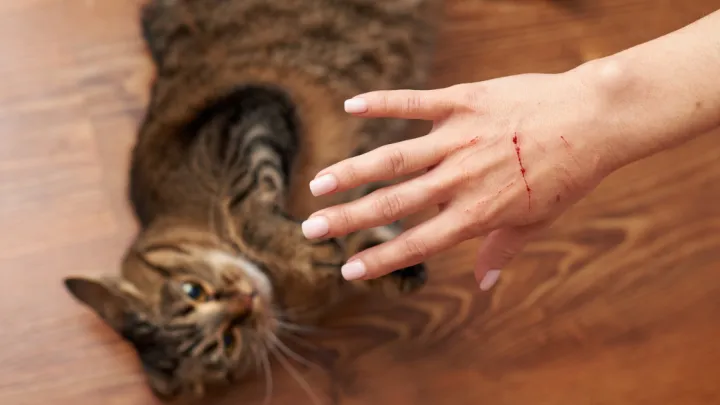
When should you get a tetanus shot? What to know about boosters, injuries, and staying protected

Many associate tetanus shots with stepping on a rusty nail. But that’s only part of the story.
Tetanus is a rare but serious disease that can develop when bacteria enter the body through a wound. Thanks to vaccination, it’s uncommon in the United States, but staying up to date on tetanus shots is the best way to keep it that way.
Here’s what you need to know about when to get a tetanus shot, which injuries require a booster and why vaccination remains important throughout adulthood.
What is tetanus?
Tetanus is a neurological disease caused by a toxin produced by the bacterium Clostridium tetani. The bacteria exist as spores in the environment and can enter the body through breaks in the skin.
“The toxin attacks the nervous system and can cause severe muscle stiffness and painful spasms,” says Nebraska Medicine APRN Jason Gillespie. “Once the toxin connects to nerve tissue, the damage can’t be reversed, which is why prevention through vaccination is so important.”
While rare in the United States, tetanus can lead to:
● Difficulty swallowing
● Trouble breathing and respiratory failure
● Dangerous changes in heart rate and blood pressure
● Hospitalization, sometimes requiring a ventilator
● Death, in severe cases
How do people get tetanus?
Tetanus isn’t contagious, but it develops when Clostridium tetani spores enter the body through a wound. It’s often one with limited oxygen where the bacteria can grow.
Tetanus can occur through puncture wounds, such as stepping on a nail or getting a deep splinter. Other ways include:
● Cuts and lacerations
● Crush injuries
● Burns
● Animal bites
● Chronic wounds
● Injuries involving dirt, soil, or debris
Anyone can develop tetanus, but the risk depends on the type of wound and whether you’re protected by vaccination.
So can rusty nails really cause tetanus? Not exactly.
“The rust itself doesn’t cause tetanus,” Gillespie says. “Rusty objects may be found outdoors where tetanus bacteria are present, but it’s the bacteria, not the rust, that causes infection.”
A clean nail can transmit tetanus if it’s contaminated with Clostridium tetani spores. Likewise, a rusty nail that isn’t contaminated won’t cause tetanus. What matters most is whether the wound is deep, there’s damaged tissue or your vaccination status.
What are the symptoms of tetanus?
Symptoms typically begin days to weeks after the bacteria enter the body. The most common signs include:
● Lockjaw, or difficulty opening the mouth
● Muscle stiffness in the jaw, neck, and abdomen
● Painful muscle spasms
● Difficulty swallowing
● Facial muscle spasms that cause a fixed grin
● Fever
● Rapid heart rate
● A rigid abdomen
As the disease progresses, muscle spasms can become severe enough to disrupt breathing and require intensive care.
How often should adults get a tetanus shot?
Adults should receive a tetanus-containing booster every 10 years. The Centers for Disease Control and Prevention (CDC) recommends either Td, which protects against tetanus and diphtheria, or Tdap, which also protects against pertussis (whooping cough).
Both vaccines protect against tetanus, and either can be used for routine 10-year boosters. Adults who have never received Tdap should receive it at least once, even if they’ve previously received Td.
When should you get a tetanus shot after an injury?
Sometimes you may need a booster sooner than your routine 10-year schedule.
Seek medical evaluation after an injury if it’s been more than five years since your last tetanus shot and you have a dirty or major wound. Additionally, see your health care provider if it’s been more than 10 years since your last tetanus shot and you have a clean, minor wound.
Health care providers also clean the wound and determine whether additional treatment is needed.
If you don’t know when you last received a tetanus shot, don’t guess.
“The recommendation is to treat someone with an unknown vaccination history as though they haven’t completed the series,” says Gillespie.
Adults with an unknown vaccine history typically begin a catch-up series that starts with one dose of Tdap, followed by additional doses according to the CDC schedule.
Why is Tdap recommended during every pregnancy?
Pregnant women should receive one Tdap vaccine during every pregnancy, ideally between 27 and 36 weeks.
The goal is to protect both mother and baby.
The vaccine allows antibodies to pass to the developing baby before birth, helping protect newborns against whooping cough during the first few months of life, before they’re old enough to begin their own vaccines.
When do children receive tetanus vaccines?
Children receive protection through the DTaP vaccine series at:
● 2 months
● 4 months
● 6 months
● 15 to 18 months
● 4 to 6 years
They then receive a Tdap booster at 11 to 12 years old.
Who should be especially careful about staying up to date?
Everyone benefits from staying current on tetanus vaccination, but it’s especially important for:
● Adults age 55 and older
● People with weakened immune systems
● Farmers, gardeners, and those who work outdoors
● Construction and industrial workers
● People who frequently handle animals
● Anyone with frequent cuts, scrapes, or puncture wounds
Tetanus is rare, but it can be life-threatening. It’s almost entirely preventable through vaccination.
“If you aren’t sure when your last tetanus shot was, or if you’ve had an injury that could put you at risk, it’s worth checking with your health care provider,” Gillespie says. “Staying up to date is one of the simplest ways to protect yourself.”