Animal bites and scratches: First aid and when to see a doctor
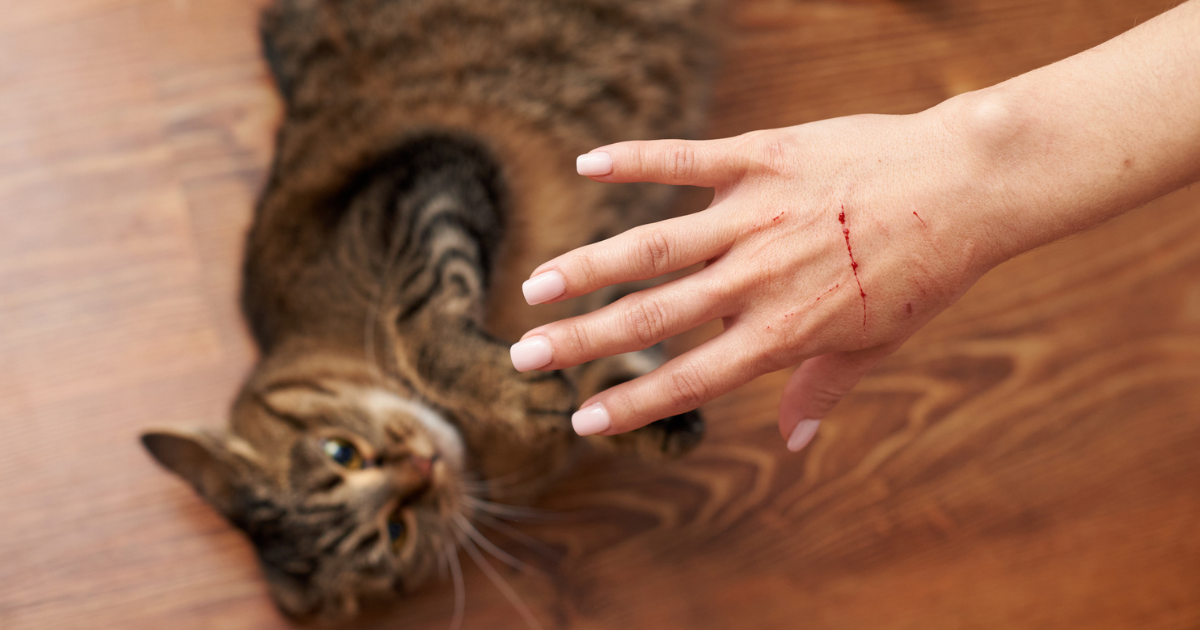
Animal bites and scratches are common in the United States. Each year, an estimated 4 to 5 million people are bitten by animals. Dogs cause about 85% to 90% of these injuries, but cats, wildlife and stray animals can also be involved.
While many bites are minor, some can lead to serious infection. Knowing what to do right away and when to seek medical care can help prevent complications.
What should you do if you’re bitten by an animal?
If you’re bitten or scratched, act quickly.
- Wash the wound right away.
Use soap and water. You don’t need anything fancy. Wash the area thoroughly to help remove bacteria. - Stop the bleeding.
If the wound is bleeding, apply firm pressure with a clean cloth or bandage until it stops. - Apply ointment and cover if needed.
After cleaning, you can apply a thin layer of petroleum jelly or antibiotic ointment and cover the wound with a clean bandage. Over-the-counter antibiotic ointments don’t treat infections, but they can help protect the skin as it heals.
Continue to monitor the wound closely over the next several days.
How quickly can an animal bite get infected?
Animal bites can become infected quickly — sometimes within 24 hours.
Bacteria from an animal’s mouth can enter the skin and spread. Cat bites, in particular, can lead to infection because their teeth create small but deep puncture wounds.
Watch for signs of a bacterial infection, including:
- Increasing redness.
- Swelling.
- Worsening pain.
- Warmth around the wound.
- Pus or drainage.
- Fever.
- Swollen lymph nodes.
“If you notice these symptoms, seek medical care,” says emergency medicine provider Bonnie Vrbicky, PA-C. “An untreated infection can spread deeper into tissues, including joints or bone.”
When should you go to urgent care or the ER?
Many minor bites can be treated at home or evaluated at an urgent care or immediate care clinic. However, some situations require emergency care.
Go to urgent care or immediate care if:
- The wound is small but may need cleaning or possible stitches.
- You’re concerned about infection.
- You may need antibiotics.
- You need a tetanus shot.
Go to the emergency room if:
- You cannot stop the bleeding.
- The wound is deep or severe.
- You can see bone, tendon or muscle.
- The bite is on your face.
- The injury involves a joint and you cannot move it normally.
- The wound worsens even after starting antibiotics.
- You may need IV antibiotics.
- You may need a rabies vaccine.
“Bites on the hands deserve special attention,” says Vrbicky. “There is less tissue between the skin and bones in the hand, which increases the risk of infection spreading to joints or bone.”
Should animal bites be stitched closed?
Not always.
“Because of the high risk of infection, many animal bites are left open so they can drain as they heal,” says Vrbicky. “Closing a wound can trap bacteria inside and increase the risk of an abscess.”
However, bites on the face may be treated differently to reduce scarring. Your provider will decide what is safest based on the location and severity of the injury.
Do you need a rabies shot after a bite?
Rabies is rare in the United States, but it is serious. If an animal with rabies bites you and you’re not treated, the infection can affect your nervous system and be life-threatening.
Whether you need a rabies vaccine depends on the situation.
If the animal can be captured and monitored for 10 days or if its vaccination status is confirmed, you may not need treatment.
If the animal can’t be caught (for example, a wild animal or stray cat), providers often recommend starting the rabies vaccine series.
Rabies treatment includes:
- A rabies vaccine given on the first visit.
- Immune globulin (given at the same time as the first dose).
- Three additional vaccine doses over the following weeks.
“Rabies vaccines are typically given in the emergency room,” says Vrbicky. “Animal bites are reportable events, and the Humane Society or animal control may assist in locating the animal when possible.”
Do you need a tetanus shot after a bite or scratch?
Possibly.
If it’s been more than five years since your last tetanus shot, you should receive a booster after a bite or scratch.
Tetanus bacteria live in soil and dirt — not just rusty metal. Cleaning the wound helps reduce risk, but vaccination provides the best protection.
Who is at higher risk for infection?
Some people are more likely to develop complications, including:
- People with diabetes.
- Those with a weakened immune system.
- People taking immune-suppressing medications.
- Older adults.
These individuals may be prescribed antibiotics right away, even if the wound looks minor.
What happens if a bite is left untreated?
In healthy individuals, a properly cleaned wound may heal without problems.
“Untreated bites carry a higher risk of infection,” says Vrbicky. “If infection spreads, it can lead to abscesses, joint infections or bone infections. In rare cases, severe infections can spread through the bloodstream.”
Prompt care greatly reduces these risks.
When to seek care
If you’re unsure whether a bite or scratch is serious, it’s best to be evaluated. Early treatment can prevent infection and more serious complications.
Nebraska Medicine Immediate Care Clinics can treat many animal bites and scratches, including wound cleaning, stitches, antibiotics and tetanus boosters. If the injury is severe, such as uncontrolled bleeding, a deep wound, possible bone involvement or concern for rabies exposure, go directly to Emergency Services.
To find an Immediate Care Clinic near you or to speak with a provider through an Immediate Care Video Visit, visit NebraskaMed.com/ICC. If you believe your injury is life-threatening, call 911 or go to the nearest emergency room.
Prompt care protects your immune system, lowers the risk of bacterial infection and helps you heal faster. If you have questions about an animal bite or scratch, Nebraska Medicine is here to help.