Diabetic retinopathy: Symptoms, diagnosis and treatment
Managing your blood sugar is important when you have diabetes. But here’s something that’s just as important: taking care of your eyes.
A common eye condition caused by diabetes is diabetic retinopathy. And symptoms can develop without warning.
What is diabetic retinopathy?
“Diabetic retinopathy is damage to the retina, the back part of the eye,” says Nebraska Medicine ophthalmologist Bailey Shen, MD. “It happens in people with diabetes.”
Diabetic retinopathy happens when high blood sugar damages the small blood vessels in the eyes. Over time, those blood vessels can leak fluid, bleed and grow abnormally. Eventually, this causes vision problems.
Why does diabetes affect the eyes?
Our eyes rely on tiny blood vessels to work properly. When those vessels are damaged, vision is affected.
This can lead to:
- Swelling in the retina.
- Poor circulation.
- Fragile new blood vessels that can bleed.
Who is most at risk?
Anyone with diabetes can develop diabetic retinopathy. Your risk is higher if you’ve had diabetes for a long time or have high blood sugar or A1C levels.
“People with higher A1C levels, uncontrolled blood pressure or have had diabetes for many years are most at risk,” says Dr. Shen.
Even if vision feels normal, damage could still be happening.
“Usually in the early stages, you don’t have symptoms,” says Dr. Shen. “A lot of people don’t realize diabetes is affecting their eyes until there’s a major issue.”
Symptoms to watch for
Call your doctor or eye specialist if you notice:
- Blurry vision.
- Sudden vision changes.
- Dark spots or “floaters.”
- Trouble seeing clearly in one or both eyes.
- Eye pain.
“Blurry vision and floaters are the most common symptoms,” says Dr. Shen. “Floaters can be a sign of bleeding in the eye.”
How is diabetic retinopathy diagnosed?
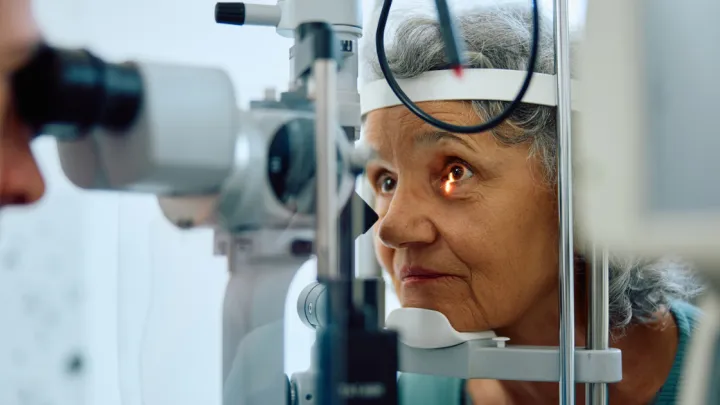
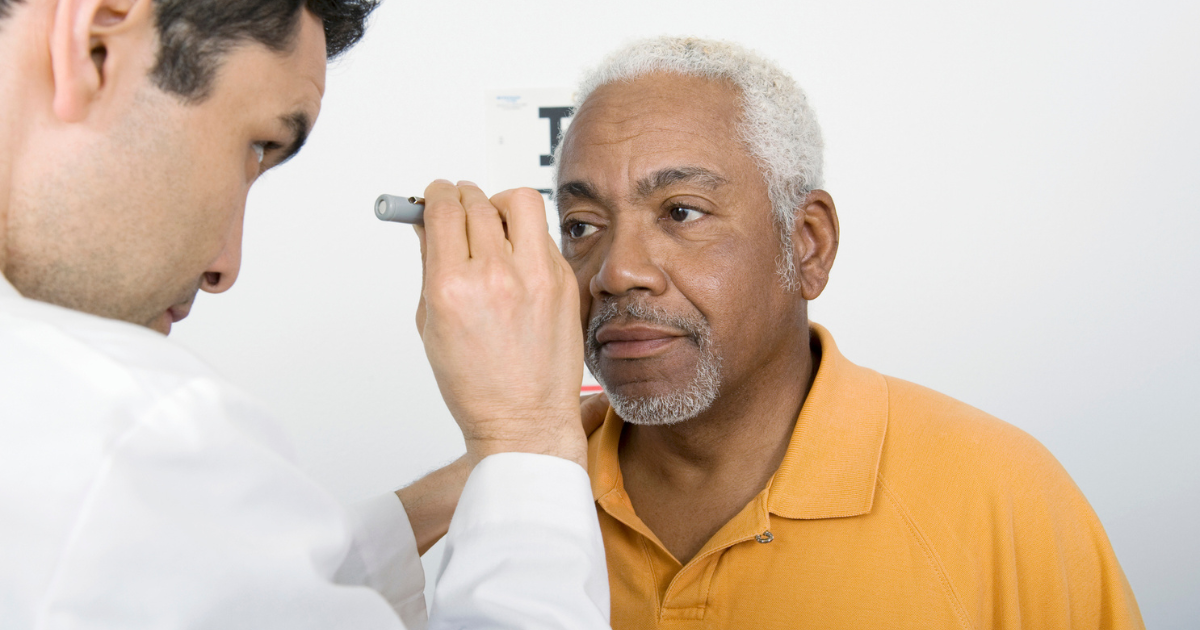
Diabetic retinopathy is typically found during a comprehensive eye exam. Your eye doctor will check your vision, dilate your eyes or take photos or scans.
“We dilate the eyes so we can see the retina clearly,” says Dr. Shen. “Sometimes we also take images or scans to look for potential swelling.”
Some clinics also offer retina screenings during regular doctor visits, using special cameras or artificial intelligence to detect early signs.
How often should you get an eye exam?
If you have diabetes, it’s recommended to get an eye exam at least once a year. Get checked soon after diagnosis, especially if you have type 2 diabetes.
“Even if you don’t have symptoms, you should have some type of eye exam every year,” says Dr. Shen.
Eye exams are usually quick and not painful.
“It might feel a little uncomfortable because of the bright lights,” says Dr. Shen.
You may have blurred vision for a few hours after dilation, but it goes away after a while.
How is diabetic retinopathy treated?
The good news is that diabetic retinopathy can be treated, and in some cases, early damage can be reversed.
“The most important thing is controlling your blood sugar and blood pressure,” says Dr. Shen. “That can make a big difference.”
If the condition worsens, treatments may include:
- Eye injections to reduce swelling.
- Laser treatment.
- Surgery for serious complications.
“Injections sound scary, but they’re not as bad as people expect,” assures Dr. Shen.
Diabetic retinopathy symptoms can change at different speeds.
“It can happen slowly over years or get worse quickly,” says Dr. Shen. “If there’s bleeding or retinal detachment, vision can decline fast.”
How can you protect your vision?
The best way to protect your eyes is to stay on top of your health and exams. Focus on keeping your blood sugar in normal ranges and know your A1C levels.
Why early care matters
Nebraska Medicine retinal specialists can treat even severe cases of diabetic retinopathy using advanced tools and techniques.
But prevention is always best.
“By the time some patients come in, they already have advanced diabetic retinopathy,” says Dr. Shen. “Even with treatment, vision can still get worse. Preventing it is always our goal.”
If you have diabetes, don’t wait for symptoms to appear. Getting your eyes checked regularly and making smart diet and exercise choices can help protect your vision.