What nail clubbing can say about your health
Unless you’re getting regular manicures, we may not think about the shape of our nails too often. But sometimes, they can reveal what’s happening inside our bodies. One nail change that doctors recommend watching closely is something called nail clubbing.
What is nail clubbing?
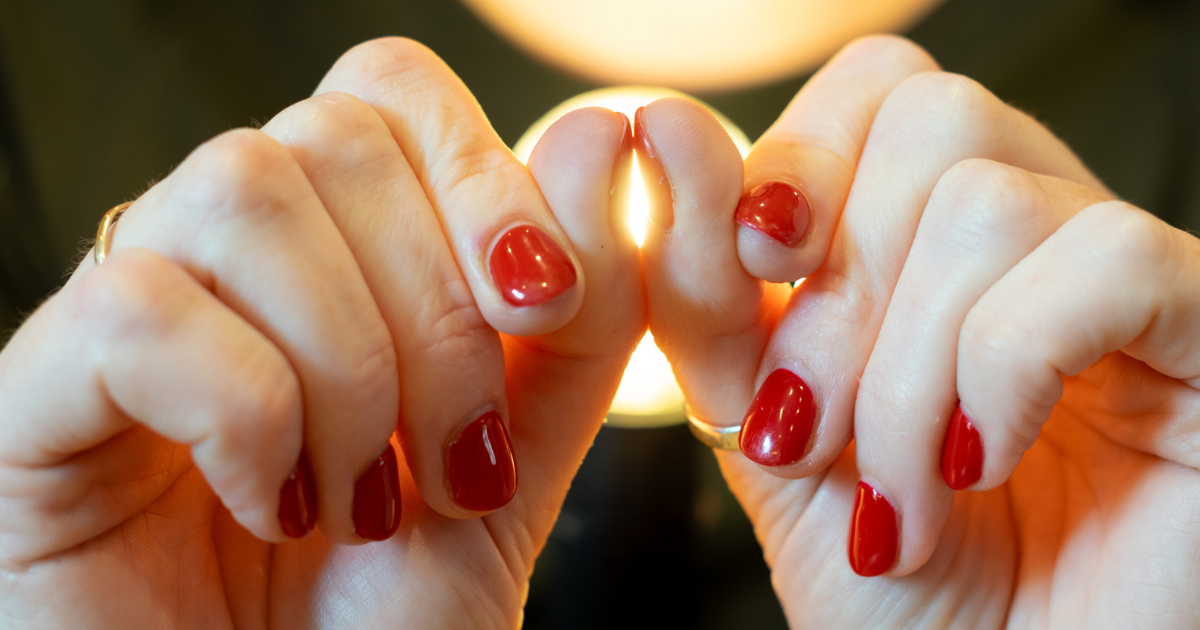
“Nail clubbing is when the tips of your fingers enlarge and nails curve around your fingertips,” explains Nebraska Medicine dermatologist Jennifer Adams, MD. “It makes them look rounder or club-like.”
Clubbing can happen gradually, in stages:
- Softening of the nail bed: Nails may feel soft when pressed.
- Increased nail curvature: Nails may grow more rounded and curve.
- Fingertip widening: Fingertips enlarge and resemble drumsticks.
- Shiny appearance: Nails are glossier looking than usual.
What causes nail clubbing?
“When we see nail clubbing in patients, it’s often a sign something else is going on,” says Dr. Adams. “There can be a type of clubbing that’s genetic but not dangerous. The majority of the time, it’s related to a heart or lung issue.”
If there’s more blood flow to the fingers and toes than usual, soft tissue can thicken and change shape. The increased blood flow may happen when the body isn’t getting enough oxygen. Because lungs deliver oxygen to the blood, lung problems are often linked to clubbing. These may include:
- Chronic lung infections
- Lung cancer
- Cystic fibrosis
- Interstitial lung disease or pulmonary fibrosis
Heart problems that reduce oxygen levels in the blood can also cause clubbing:
- Congenital heart defects
- Infective endocarditis, or infection of the heart’s inner lining
- Cyanotic heart disease
When to talk to your health care provider
While it’s not painful, patients should talk to their health care provider immediately if they notice nails changing shape, especially on multiple fingers.
“In the majority of people without a family history, it’s something that needs to be checked and evaluated right away to see if there’s any serious underlying causes,” says Dr. Adams.
Your health care provider can run tests to determine the cause of nail clubbing and, if needed, get you started on a treatment.
“The more severe and longer-standing nail clubbing is, the harder it can be to fully reverse,” says Dr. Adams. “But there are instances of people getting treated, for example, for cancer, and their nails improving thereafter.”
Our bodies are good at sending signals when something isn’t right. And sometimes, it can be as simple as looking at your hands. If you notice nail clubbing, don’t ignore it. Early diagnosis and treatment can make all the difference.