Skin changes that could signal a vein problem—and how dermatology can help
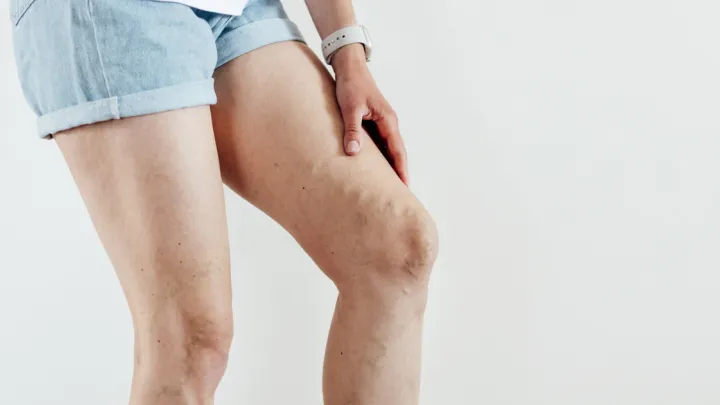
When people think about vein problems, they often picture bulging varicose veins. But many vein conditions first appear as other changes on the skin that can be clues to underlying vein disease. That’s where dermatology can play an important role.
If you’ve noticed changes in the skin on your legs, like discoloration, itching or swelling, it may be more than a cosmetic concern. These symptoms can be signs of venous disease, a condition that affects how blood flows back to your heart.
Here’s what to watch for and how a dermatology-based vein program can help.
What is venous disease?
Venous disease happens when the valves in your veins don’t work as they should. These valves help blood move upward from your legs back to your heart. When they weaken or fail, blood can pool in the legs.
Over time, this pressure can affect your veins and your skin.
“Many patients come in worried about a rash or skin discoloration,” says Adam Sutton, MD, MBA, a double board-certified dermatologist and Mohs micrographic surgeon. “What they don’t realize is that the skin is often giving us clues to what’s happening deeper in the veins.”
Common skin changes linked to vein problems
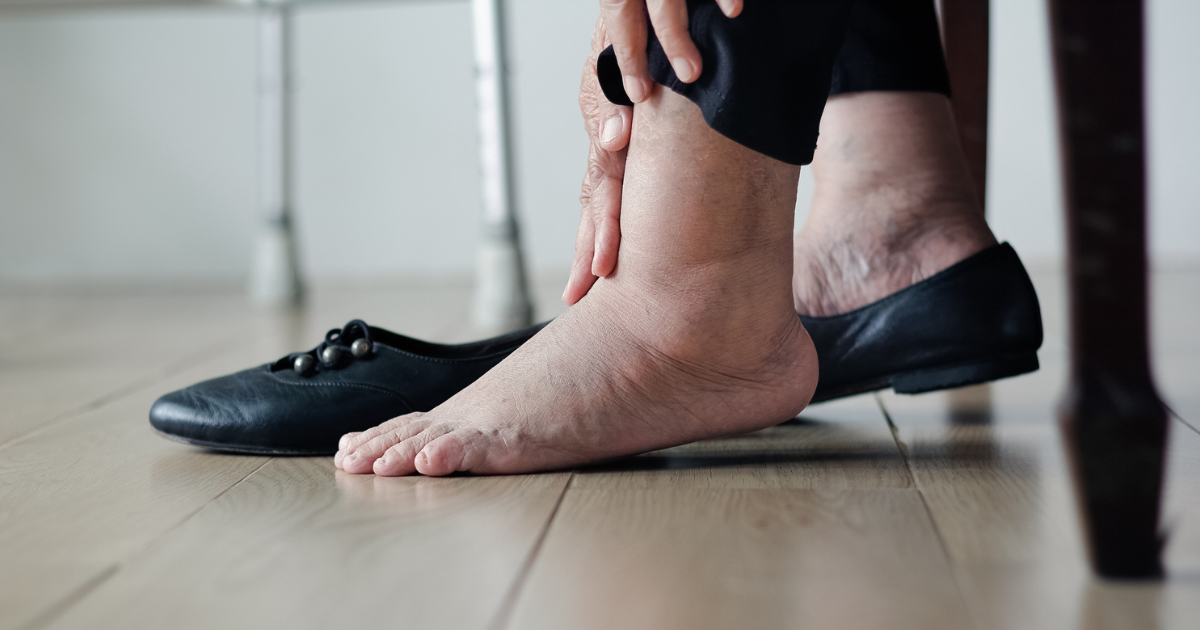
- Swelling in the lower legs or ankles: Swelling that gets worse at the end of the day may be one of the earliest signs of venous disease. It can feel tight or uncomfortable, especially after long periods of standing or sitting.
- Skin discoloration (brown or pink tones): You may notice darker or eczema-like patches around your ankles or lower legs. This happens when blood leaks from veins into the surrounding tissue.
“Discoloration is one of the most common things we see,” Dr. Sutton says. “It’s not just a cosmetic issue. It’s a sign that diseased veins are resulting in inflammation in our skin.”
- Itchy, dry or irritated skin: Often called stasis dermatitis, this can look like eczema and may include redness, flaking or itching.
- Thickened or hardened skin: As venous disease progresses, the skin may feel firm or tight. In some cases, the lower leg can take on a tapered shape.
- Open sores (venous ulcers): These wounds usually appear near the ankles and can be slow to heal. They are a more advanced sign of venous disease and should be evaluated promptly as they can be a source of infection and other problems.
“When venous disease goes untreated, it can lead to wounds that are difficult to heal,” Dr. Sutton says. “The earlier we identify and treat the underlying vein problem, the better the outcome.”
Why dermatology is part of vein care
Because venous disease often shows up on the skin, dermatologists are uniquely trained to recognize these patterns early.
Comprehensive vein program care goes beyond treating visible veins. It connects what’s happening under the skin with what you can see and feel on the surface.
“As dermatologists, we’re trained to recognize patterns in the skin,” Dr. Sutton explains. “When those patterns point to a vein issue, we can evaluate and treat both at the same time.”
What makes this vein program different?
Advanced ultrasound done differently
“Patients will often ask why they need another ultrasound if they’ve already had one,” says Dr. Sutton. “My answer is that standard ultrasounds are often used to check specifically for serious issues like blood clots. In contrast, a specialized venous ultrasound maps the entire leg vein system in detail. It helps us understand exactly where the problem is and how to treat it.”
Venous ultrasounds are:
- Performed by a registered vascular technologist (RVT) who specializes in venous disease.
- Reviewed the same day by a physician with specialty training in venolymphatic medicine.
“One of the most rewarding parts of my role is building meaningful relationships with patients during their ultrasound experience and supporting them throughout the full course of their treatment journey,” says Alesha Smith, a registered vascular technologist and phlebology sonographer.
A treatment plan the same day
In many cases, you’ll leave your appointment with a clear understanding of:
- What’s causing your symptoms.
- What your treatment options are.
- What to expect next.
“We want patients to leave with answers and a plan,” Dr. Sutton says. “In many cases, we can explain the diagnosis and outline a treatment plan the same day.”
Care that connects skin and veins
This program combines expertise in both skin conditions like rashes, discoloration and ulcers as well as underlying vein disease. That means your care plan treats the root cause – not just the surface symptoms.
Minimally invasive treatments
Most procedures are done in the clinic using local anesthesia and patients can typically drive themselves home the same day.
Options may include:
- Endovenous ablation (laser or radiofrequency).
- Ultrasound-guided sclerotherapy.
- Ambulatory phlebectomy.
- Laser treatment for spider veins.
“These treatments are very effective and much less invasive than people expect,” Dr. Sutton says. “Most patients are surprised by how effective and manageable the process is.”
Specialized expertise you can trust
Care is led by Dr. Adam Sutton who is certified by the American Board of Venous & Lymphatic Medicine, which focuses on advanced training in vein and lymphatic conditions.
Consistent, supportive care
While vein treatment often involves a series of visits, you’ll see the same providers, including a dedicated and specialized clinical team with advanced knowledge of venous disease, to support you with coordinated, personalized care.
“Continuity matters,” Dr. Sutton says. “Our team has advanced training in caring for patients with venous disease, which ultimately impacts patient experience.”
When should you get checked?
You may want to schedule an evaluation if you have:
- Leg swelling that doesn’t go away.
- Skin changes on your lower legs.
- Itching or rashes near your ankles.
- Visible veins along with discomfort
- A wound that isn’t healing.
Even mild symptoms can be early signs of a larger issue.
Take the next step
Vein problems don’t just affect how your legs look. They can affect how they feel and function every day. The good news is that effective, minimally invasive treatments are available.