3 laser resurfacing treatments and how to choose the right one for your skin
Maybe your skin care routine is no match for the dark spots you see in the mirror. Or perhaps you’re ready to do something about acne scars, wrinkles, or uneven skin texture.
That’s where laser resurfacing may help.
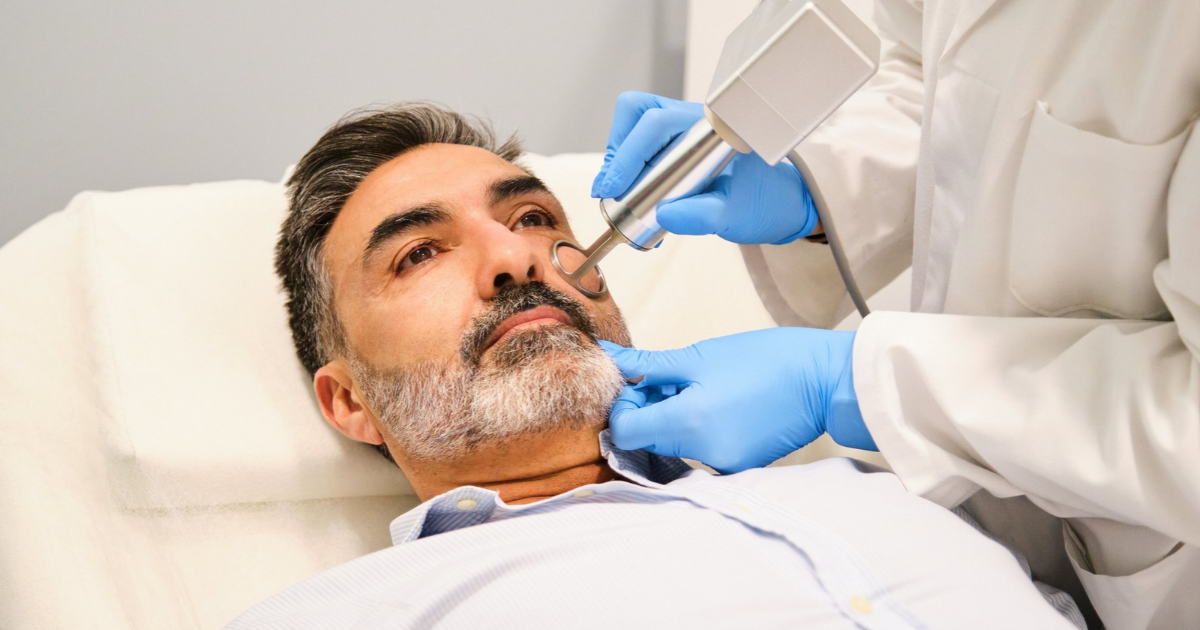
Laser resurfacing uses carefully controlled laser light to trigger the skin’s natural healing response and stimulate collagen production. Depending on the treatment, it can smooth wrinkles, fade spots, shrink the look of pores, and improve scars.
But not all lasers work the same way. Some offer dramatic results with more downtime. Others provide a gentler refresh with a faster recovery.
The Nebraska Medicine dermatology program offers three main options for laser resurfacing. Ronald Sulewski, MD, Associate Professor and Director of Laser and Aesthetic Dermatology director of cosmetic and laser dermatology, explains what you should know about each one.
1. CO2 laser resurfacing: When you want the biggest change
Let’s start with the heavy hitter. The carbon dioxide, or CO2, laser is the most powerful resurfacing treatment Nebraska Medicine offers.
Best for: Deep wrinkles, severe sun damage, uneven color, large pores, and deep or sunken acne scars.
“Some conditions like scarring require us to use the strongest treatment,” says Dr. Sulewski. “One or two CO2 treatments may provide benefits that a series of lighter treatments cannot.”
Not every CO2 treatment is equally intense. A fractionated treatment targets small sections of skin while leaving nearby skin untouched, which helps the area heal faster. A nonfractionated treatment covers the full surface and provides the most dramatic results.
What to expect: More power means more recovery time. At the highest setting, your skin may remain red or scabbed for a month. During that time, you may need to use thick ointment, follow special skin care instructions, and avoid sun exposure.
Before treatment, you’ll receive topical numbing medication. Dr. Sulewski may also inject numbing medicine around sensitive areas, similar to what’s used before dental work. A full-face treatment at the strongest setting may take about an hour.
2. Fraxel® laser resurfacing: When you want results with less downtime
Too busy for a long recovery? The Fraxel laser may offer a better balance. It offers many of the same benefits as CO2 resurfacing but is less intense and requires a shorter recovery.
Best for: Wrinkles, uneven color, rough texture, and large pores. It may also be used once a year to maintain results and address early signs of aging.
“For many patients, especially working professionals, Fraxel hits the sweet spot,” says Dr. Sulewski. “They can return to work sooner while still treating many of the same concerns.”
What to expect: You’ll receive topical numbing medicine for at least 30 minutes before treatment. The laser may feel like a series of small, hot needles passing over your skin. Cold air is used to reduce the heat and discomfort. The procedure itself usually takes about 30 minutes.
Afterward, your skin may look and feel sunburned or windburned. Pinkness and swelling often last two or three days. Dry skin may flake for about a week, but you can usually wear makeup the next day.
Don’t expect overnight results. New collagen takes time to form, so most patients begin seeing changes in about six weeks.
3. PicoSure® laser treatment: When you want a gentler refresh
Pico toning, performed with the PicoSure laser, is the lightest of the three resurfacing options.
Best for: Stubborn pigment-related issues like melasma and sun damage and patients seeking mild toning or tightening with a gentler treatment.
Pico toning will not produce the same dramatic results as Fraxel or CO2 resurfacing. However, it offers one major advantage: It can be used on all skin tones.
People with darker skin have a higher risk of discoloration or scarring from aggressive laser treatments. Fraxel can be used on a range of skin tones with carefully chosen settings, while CO2 treatments require the most caution.
What to expect: Pico toning produces more subtle changes than Fraxel or CO2 resurfacing. Like those treatments, its full benefits take about six weeks to appear.
So, which laser wins?
There is no single “best” laser. There’s only the laser that best matches your skin, goals, and life.
During a consultation, your dermatologist will consider:
- Your skin tone and type
- The concern you want to treat
- The amount of improvement you expect
- How much recovery time you can manage
- Any active skin conditions
For example, if you have active acne and acne scars, you may need treatment to control the acne before moving forward with CO2 resurfacing. A chemical peel or Fraxel treatment may be a better first step.
It’s also important to know that laser results are not permanent. Your skin will continue to age. Stronger treatments may provide longer-lasting benefits, while some patients choose a yearly Fraxel treatment for maintenance.
A 30-minute consultation gives you time to discuss your skin, goals, schedule, treatment options, and expected results. You’ll also receive a cost estimate, and your consultation fee will be applied to your treatment.