What is familial hypercholesterolemia and how does it impact health?
If a parent or sibling had a heart attack at a young age, it’s worth discussing with your doctor. Early heart disease in your family can be a clue to an inherited form of high cholesterol called familial hypercholesterolemia, or FH. With FH, high cholesterol can begin as early as childhood, so finding it early gives you a chance to protect your heart.
How familial hypercholesterolemia affects your heart
Your liver helps clear LDL, often called “bad” cholesterol, from your blood. In the most common form of familial hypercholesterolemia, a change in a gene makes it harder for your liver to do this. As a result, more LDL stays in your blood, where it can build up inside your arteries over time.
When that buildup narrows the arteries that supply your heart, it’s called coronary artery disease. Nebraska Medicine physician Emily Hill Bowman, MD, says people with FH can have heart problems, including a heart attack, as early as their 30s.
Can FH skip a generation?
A person's genetics can affect heart health. In most cases, a gene change from just one parent can cause FH. In rare cases, a child inherits a gene change from both parents. This can lead to even higher cholesterol and greater risk of heart disease.
“The most common form of FH doesn’t skip generations,” says Dr. Hill Bowman. “However, it may look that way if a relative’s high cholesterol went undetected.”
How do you know if you have FH?
A routine blood test called a lipid panel measures LDL and other types of cholesterol. Very high LDL can raise suspicion for FH. So can a family history of early heart disease. If a relative had a heart attack at a young age, tell your primary care provider how old they were, if you know.
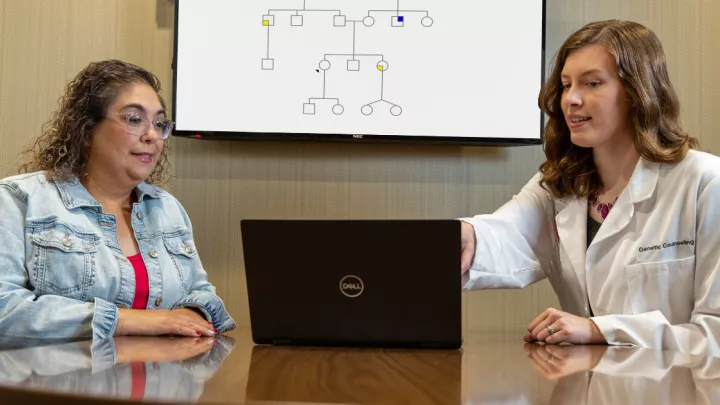
Your provider can look at your cholesterol results and family history together. If your LDL is very high, they may suggest genetic testing to look for an inherited cause.
If you’re diagnosed with familial hypercholesterolemia, ask your provider which relatives should have their cholesterol checked. LDL can be high in children and teens with FH, so ask your child’s pediatrician when to test if FH runs in your family.
How is FH treated?
Familial hypercholesterolemia has no cure, but ongoing care can lower your risk of heart problems. Depending on your cholesterol levels and risk, your care team may recommend starting medicine in your teens or early adulthood.
Some people need more than one medicine to lower their LDL. Your primary care provider can track your cholesterol and may refer you to a heart specialist.
A heart-healthy diet and regular exercise are part of the care plan. Even with lifestyle changes, people with FH also need medicine to lower their cholesterol, Dr. Hill Bowman says. A dietitian can help you find dietary changes you can stick with.
“Early identification, early medication management, and early lifestyle changes can make a huge difference in managing high cholesterol,” Dr. Hill Bowman says.
Where to start
If you have very high cholesterol or a family history of early heart disease, talk with your primary care provider about familial cholesterolemia. They can check your cholesterol and help you decide whether genetic testing or a visit with a heart specialist makes sense.