Partnership across state lines gives transplant patient a second chance
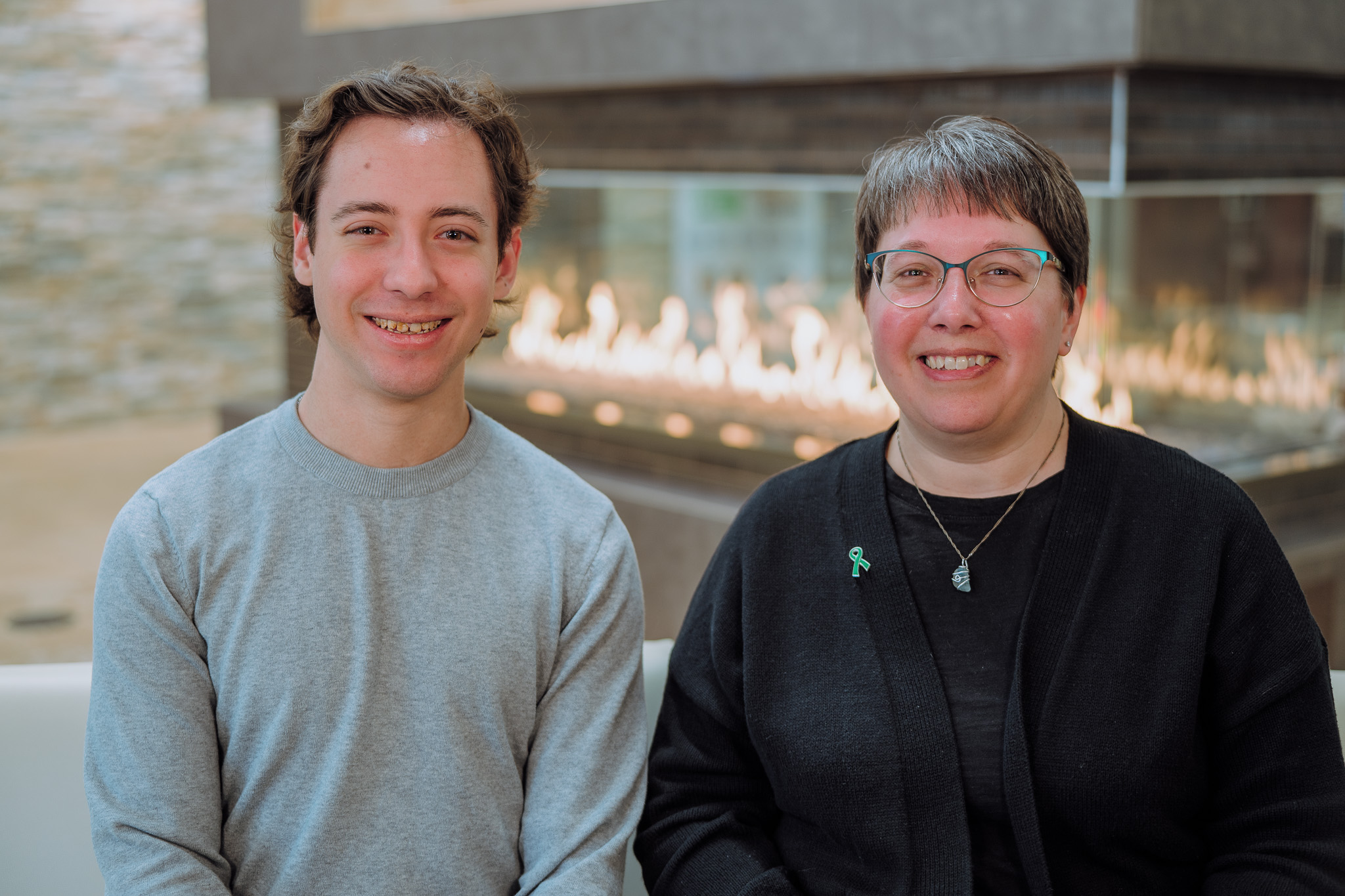
Colin Gholson has spent most of his life managing a condition that began before he was even born.
“Toward the end of my second trimester is when things started to be not normal,” says Jennifer Gholson, Colin’s mom. “That’s when we learned he had cysts on his kidneys, and it also involved the liver.”
For years, Colin navigated frequent doctor’s appointments, hospital trips, medications and blood draws. By age 16, he was already being evaluated for a transplant. But rather than let the uncertainty define him, he chose a different approach.
“I’m like, ‘Well, I have to deal with it,’” Colin says. “So, I’m going to make sure that I don’t stress or worry about it. I manage it and still go and live and enjoy.”
A life-changing referral
Colin lives in Rapid City, South Dakota, where he receives care with Monument Health. When a transplant became the only option, his care team referred him to Nebraska Medicine – and the process moved faster than his family expected.
“Once we were referred to Nebraska Medicine and went through the process there, it started to feel a little more real,” Jennifer says. “The thing we weren’t expecting was that he would get matched and get a call so quickly after he was listed.”
Colin spent only two weeks on the waiting list before a match was found.
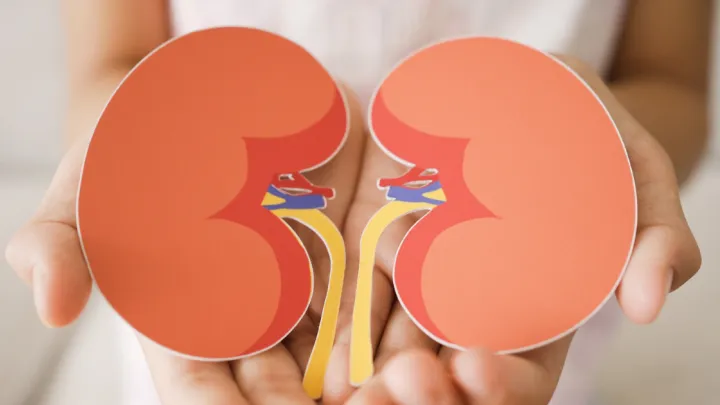
One surgery, two organs
Colin’s Monument Health nephrologist, Louis Raymond, MD, had been following his condition closely and worked directly with the Nebraska Medicine team throughout the transplant process. The plan was for a simultaneous liver and kidney transplant.
“Colin had what we describe as a preemptive transplant from the kidney standpoint,” Dr. Raymond says. “He wasn’t at the point of complete failure, but it made sense to give him the kidney and the liver at the same time.”
When the call came, there was no time to prepare. Colin withdrew from college classes and called friends to watch his dog and get his mail.
“There was a lot of uncertainty going into it, which I think for me outweighed the relief of finally getting a surgery,” Colin says.
‘It’s okay to be scared’
Transplantation surgeon Wendy Grant, MD, had performed the procedure hundreds of times in her 26 years with Nebraska Medicine. She met the family for the first time the morning of the transplant and immediately put them at ease.
“I remember that morning in pre-op when Dr. Grant came in and was so non-doctorish,” Jennifer says. “She was just another person, and said, ‘It’s okay to be scared.’”
Dr. Grant says she’s always mindful of what the moment means to each patient.
“We do transplants on a very regular basis,” she says. “But for Colin, it’s the only time, hopefully, he’s ever going to do it. For his mom, it’s the only time she’ll be sitting in pre-op. And so, when I talk to patients, I have to remember that this is their time.”
The surgery went well. Partway through, Dr. Grant came out to update Jennifer and deliver good news.
“She put her arm around me and said, ‘Everything’s going really well, so we’re going to continue and do the kidney now as well,’” Jennifer says.
Care that comes to him
After surgery, Colin was struck by the level of attention he received from his Nebraska Medicine care team.
“Top-tier care,” he says. “The attention to detail is what I want to highlight most because they make sure patients are the top priority. I did not feel ignored by the doctors and other health care professionals.”
And thanks to a partnership between Nebraska Medicine and Monument Health, most of Colin’s follow-up care happens close to home. Nebraska Medicine liver specialists fly to Rapid City twice a month to see transplant patients, so Colin rarely needs to travel to Omaha.
“The fact that we can go to them – being able to minimize the stress by not having to travel and miss work and miss school – is good for the patients,” Dr. Grant says. “And I think it’s also really good for the team at Monument Health to feel they have a safe resource to help their patients.”
Dr. Raymond agrees the collaboration has worked smoothly from start to finish.
“The communication is very good between the institutions,” he says. “Records pop up in my electronic medical record so I can easily review what’s going on and what needs to be done.”
Living the transplant dream
Today, Colin is doing well and finishing what he started. After suddenly leaving school for surgery, he returned and completed his coursework. He’s on track to graduate from South Dakota Mines in December 2026.
“It’s interesting to see where we started when he was born to where we’re at now,” Jennifer says. “It’s definitely been a journey.”
For Dr. Grant, that’s exactly the point.
“Whatever he wants to do – life, work, kids, anything – that’s why we transplant,” she says. “He’s living the transplant dream.”