Specialists expand robotic surgery capabilities across disciplines
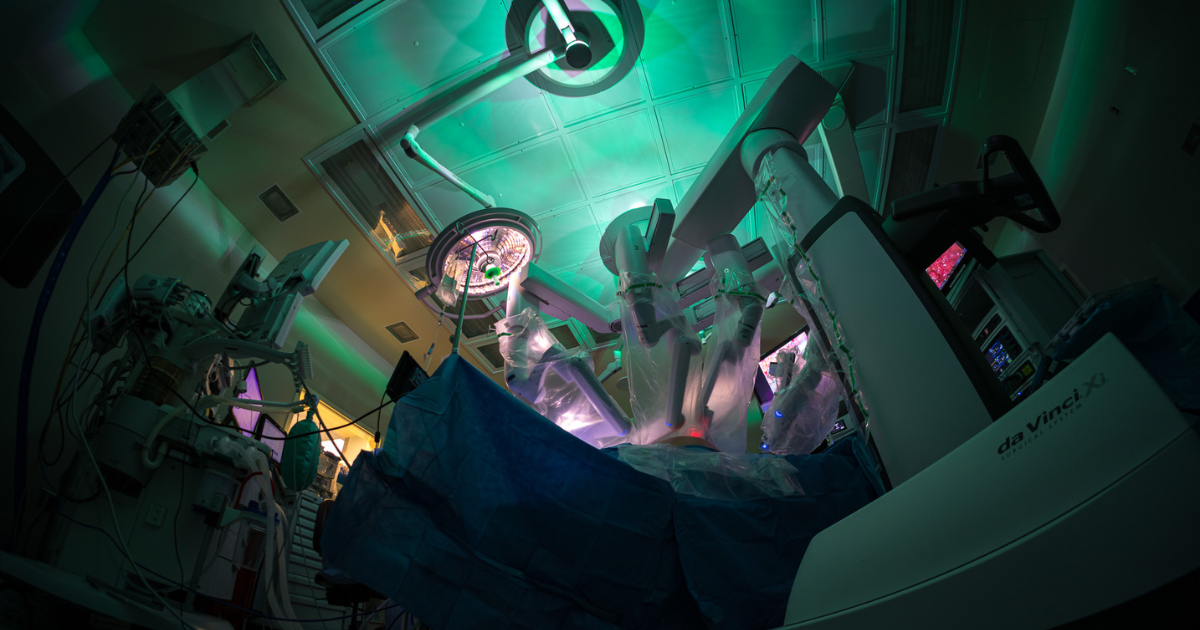
Nearly every Nebraska Medicine surgical specialty now offers robotic-assisted surgery, giving patients more treatment options that use smaller incisions and advanced technology.
The program includes seven robotic systems across several campuses. These systems support a wide range of procedures and allow surgeons from different specialties to use robotic technology as part of their surgical approach.
Robotic technology helps surgeons move with greater control and accuracy. The system provides a clear 3D view of the surgical area and helps steady the surgeon’s hand movements during delicate steps.
“It helps us to control bleeding and perform delicate steps with greater precision,” says urologist Chad LaGrange, MD.
Nebraska Medicine recently upgraded to the newest robotic system, called the dV5. The system includes features such as virtual touch feedback, improved comfort for surgeons and secure video consultation capabilities that allow surgeons to collaborate with colleagues during complex procedures.
For patients, robotic-assisted surgery often means smaller scars, less pain and a faster recovery compared with traditional open procedures.
Doctors now use robotics for many complex operations, including bladder removal, kidney donation and transplant surgery, and certain lung procedures.
All patients follow an Early Recovery After Surgery (ERAS) plan. This evidence-based approach includes steps before and after surgery designed to reduce pain, improve recovery and shorten hospital stays.
The Nebraska Medicine robotic program continues to grow each year as more specialties adopt the technology and new procedures become available.