Researchers study the effects of CBD on PTSD symptoms
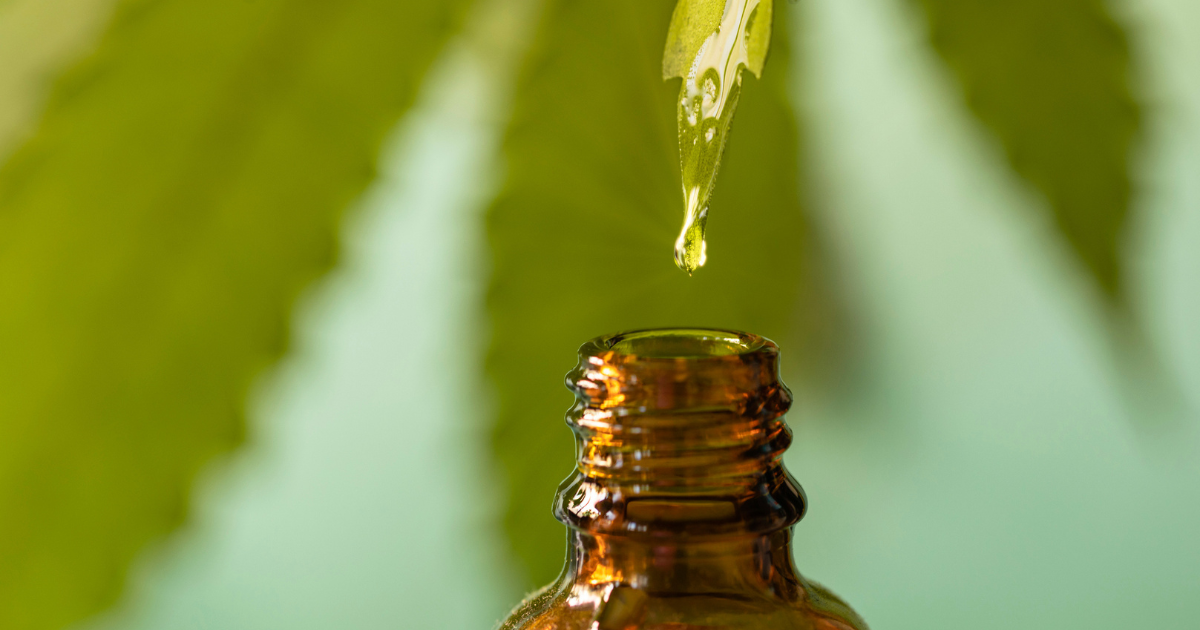
A research study is examining whether cannabidiol (CBD) therapy may help adults with post-traumatic stress disorder (PTSD).
Some people develop PTSD after life-threatening events. These can include natural disasters, violence, accidents or severe illness. The condition can lead to:
- Depression.
- Anxiety.
- Sleep disturbance.
- Emotional withdrawal.
- Self-harm.
- Loss of quality of life.
PTSD affects many Nebraskans. They include military veterans, domestic violence and sexual assault survivors, human trafficking victims and others.
A team effort
Researchers from Nebraska Medicine and UNMC hope the CBD study will provide valuable insights.
“We are committed to advancing care for those living with PTSD,” says neurologist Matthew Rizzo, MD. Dr. Rizzo is the study’s principal investigator.
The study brings together experts from several departments. These include Neurology, Psychiatry, Psychology, Pharmacy, Nursing and Public Health.
“Our interdisciplinary team reflects that PTSD is both brain-based and a lived experience,” Dr. Rizzo says. “It requires coordinated, compassionate and scientifically informed care.”
How it works
The study compares the CBD, Nantheia ATL5, with an inactive substance over eight weeks. The Phase II double-blind study is halfway complete.
Participants wear Fitbit devices. These track sleep and activity patterns. This data shows how PTSD affects daily life. Researchers also analyze brain imaging data to better understand how trauma affects the brain.
“The data are building a clearer picture of how PTSD shapes the nervous system over time,” Dr. Rizzo says.
The study compares people with PTSD to participants without PTSD during the first few weeks. Then, participants with PTSD receive either CBD or an inactive substance for the remainder of the study.
To join, participants must have a PTSD diagnosis. They need to receive mental health treatment for four weeks before joining. This includes keeping medications and therapy unchanged.
The research team checks safety at every visit through lab testing and suicide risk screening. After eight weeks, participants stop taking the study medication. Researchers conduct follow-up safety assessments one week later.
An ongoing commitment
In June 2025, the UNMC Department of Neurological Sciences hosted a PTSD symposium. It brought together clinicians, scientists, public health experts and community partners.
“Our discussions highlighted that PTSD is a condition held in both the brain and body,” says Brigette Vaughan, APRN-NP, a research team member. “Effective treatment must support neurobiology, emotional processing, daily function and community connection.”
The symposium explored new experimental therapies under study. These include CBD, psilocybin and MDMA. Researchers believe these therapies may help change brain patterns related to trauma.
“Through clinical research, care and community partnerships, we are opening new paths to healing,” Vaughan says. “For people across the state, this work represents progress, compassion and hope.”
If you have questions about the CBD therapy study, email Brigette Vaughan at bvaughan@unmc.edu or call 402.559.6239.
IRB number 0159-22-FB
Clinicaltrials.gov NCT05269459