Chickenpox (Varicella) symptoms, diagnosis and treatment
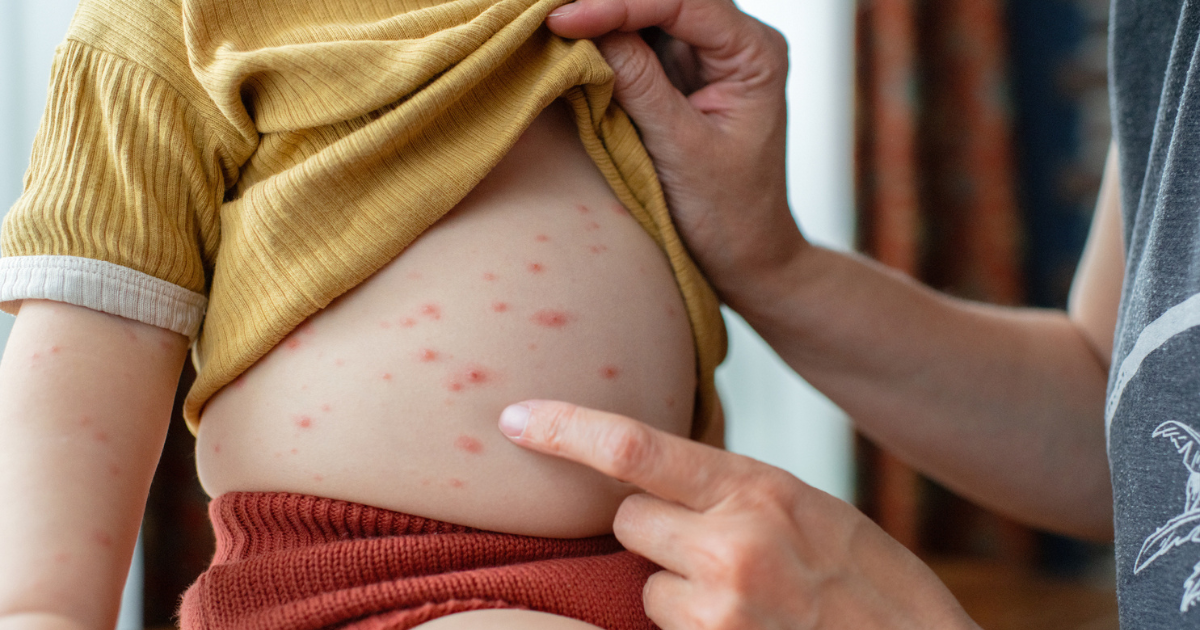
Chickenpox, or varicella-zoster virus (VZV), is a highly contagious infection. Children aren’t the only people who can get the virus. Adults can also get the infection if they didn’t have it growing up or were not vaccinated. Thankfully, the chickenpox vaccine is highly successful in preventing the virus.
The chickenpox virus can spread through:
- Contact with another person who has the virus.
- Coughs or sneezes.
- Contact with bodily fluids.
- Touching the rash.
Although the chickenpox virus is related to the herpes virus, the two are not the same. VZV causes chickenpox, while herpes simplex is caused by the herpes simplex virus (HSV).
What are the symptoms of chickenpox?
After exposure, it may be several weeks before obvious symptoms appear. The virus can spread to others several days before symptoms begin showing, and continues until all the blisters have crusted over.
Symptoms include:
- Fever, fatigue or headache one to two days before the rash appears.
- Painful, itchy blisters or lesions appearing on the face, chest and back, then spreading to the rest of the body.
- Rash resolution occurs between seven to 14 days, and can leave permanent scars.
There are three stages of how the rash appears, although all types of bumps can occur at the same time.
- Stage 1: Red and bumpy rash that becomes very itchy.
- Stage 2: Fluid-filled, blistered rash that eventually breaks open.
- Stage 3: Blisters scab over, leaving crusty spots that fade.
How is chickenpox diagnosed?
A doctor can typically diagnose chickenpox by the symptoms at any age.
“Thanks to telehealth, in-person exams aren’t always necessary anymore,” says internal medicine and pediatrician Rachel Johnson, MD. “We can discuss symptoms and the appearance of the rash on video. Fortunately, we don’t see chickenpox much anymore due to the effectiveness of the vaccine, but we do occasionally see babies get chickenpox from an adult with shingles. This happens before they receive their routine varicella vaccine at the age of 12 months.”
People at higher risk for more severe complications include:
- Children over 12 years and adults: More severe rashes (external and internal), bacterial skin infections such as cellulitis or impetigo, pneumonia and encephalitis (brain inflammation).
- Pregnant women who have not had chickenpox or the vaccine: Higher risk of pneumonia; babies at risk for serious complications. Pregnant women should be screened for immunity, and will be offered the vaccine after delivery if needed.
- Infants under 1 year: Higher risk of organ involvement and death.
- People with immune system disorders or undergoing chemotherapy: Higher risk of organ inflammation, especially in the liver or lungs.
How is chickenpox treated?
After diagnosis, chickenpox is treated differently depending on the circumstances.
- Healthy individuals without complications can manage symptoms at home.
- For people at high risk, an antiviral medication (acyclovir) may be given to reduce severity.
- For high-risk individuals who have been exposed, immunoglobulin and a vaccine (if unvaccinated) may be given.
Tips for parents caring for a child with chickenpox at home:
- Pain relief can include keeping your child cool and offering appropriate over-the-counter pain relievers.
- Prevent dehydration by offering plenty of fluids. If they have blisters in their mouth, provide soft food until they resolve.
- Try a daily cool oatmeal bath or shower, carefully patting them dry, followed by soft clothing, sheets and blankets.
- Encourage your child not to scratch the bumps. Reduce itching with anti-itch treatments such as over-the-counter antihistamines. Lotion forms can be dabbed on the rash. Speak with your doctor to see if an oral antihistamine is appropriate.
How effective is the chickenpox vaccine?
Since its introduction in 1995, the chickenpox vaccine has reduced U.S. cases by 97%. The safety of the vaccine is well-studied, with the recommended first dose at 12 months, followed by a booster between 4 and 6 years.
“The effectiveness of the chickenpox vaccine has been remarkable,” adds Dr. Johnson. “We rarely see side effects from the vaccines, but we do see severe complications from viruses that may have been preventable. We rarely see chickenpox in children due to the vaccine and due the shingles vaccine for adults, we have also seen a decrease in shingles or the severity of shingles in older adults. Vaccination is the number one way we can prevent illness and complications.”
The vaccine not only significantly reduces the severity of the infection and risk of severe complications or death, but also reduces the risk of:
- Developing shingles later in life.
- Childhood febrile seizures, which can be triggered by high fevers related to viral infections.
- Potential neurological disorders related to viral infections.
- Missed days of work and school.
- Long-term scarring on the skin.
The vaccine can even help after exposure if given within the incubation period, up to 14 days after exposure, to prevent or reduce symptom severity and complications.