How do you lose thigh and hip fat?
Millions of people join a gym every year to get healthier. For many people, especially women, reducing thigh and hip fat is a major goal.
What is fat?
“Body fat is tissue in the human body mainly comprised of adipocytes – fat cells – which act as a reservoir for energy storage and utilization,” says plastic surgeon Heidi Hon, MD. “Fat can also help regulate metabolic issues.”
There are two primary types of fat:
- Subcutaneous fat: Found just under the skin all over the body. It’s soft and squishy to the touch. While it doesn’t carry any increased health risks by itself, it can increase your chance of having more visceral fat.
- Visceral fat: Accumulates deep in the belly, surrounding organs. It’s firm to the touch and increases the risk of high blood pressure, high cholesterol and high blood sugar.
“Hip and thigh fat is a type of subcutaneous fat,” says Dr. Hon. “Approximately 80% of body fat is subcutaneous fat.” This subcutaneous fat accumulates from excess energy intake and insufficient energy expenditure. Essentially, if you’re consuming more calories than you’re spending.
Keys to fat loss
“Fat loss is a complex issue,” says Dr. Hon. “There are many different factors that contribute to weight gain and loss.” However, one point that’s important to keep in mind is to lose weight at a steady pace. Rapid weight loss can put a strain on your body. Additionally, those who lose weight gradually are more likely to keep the weight off.
Other keys to fat loss are:
- Eating a balanced diet
- Exercising regularly
- Getting proper sleep and hydration
- Managing stress levels
“Each of these factors is important to successfully achieve sustained weight loss,” says Dr. Hon.
How exercise helps you lose thigh and hip fat
Regular exercise helps you lose fat in general. Cardio helps you reduce overall body fat through high energy expenditure. “Strength training serves to tone and increase your muscle,” says Dr. Hon. “Additionally, strength training helps with fat loss by increasing your metabolism.”
There are also specific exercises you can use to target hip and thigh fat, like:
- Side lunges
- Hip raises
- Side leg-raises
- Fire hydrants
- Hip thrusts
- Banded lateral walks
Exercises for thigh fat include:
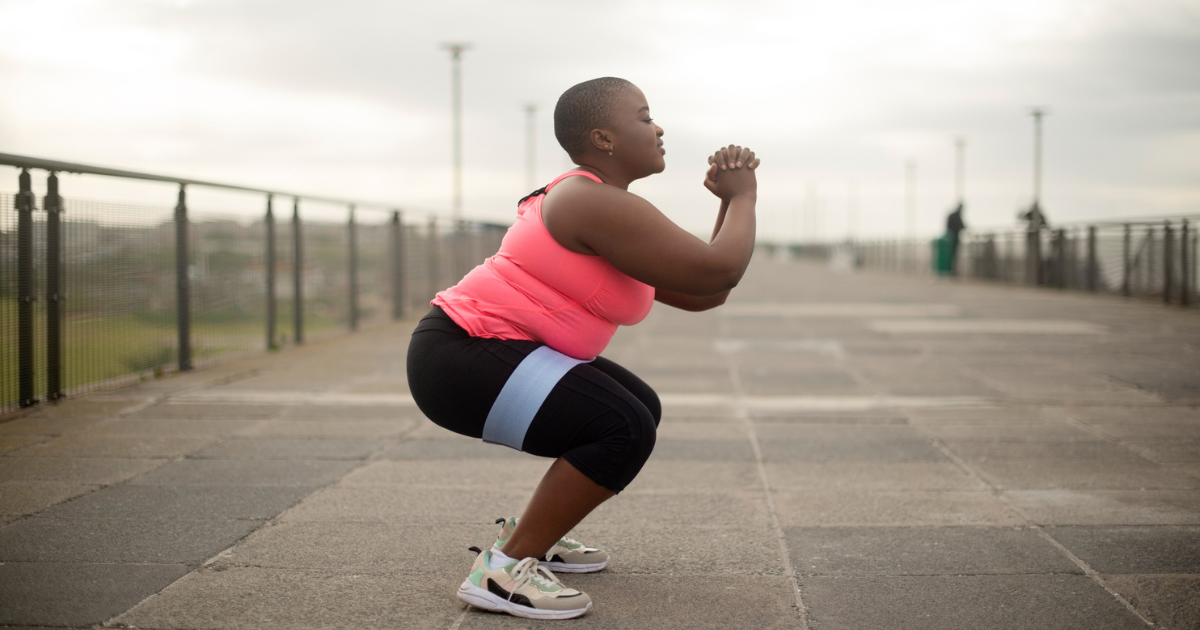
- Squats
- Lunges
- Deadlifts
- Wall sits
- Step ups
Cosmetic procedures to remove or reduce thigh and hip fat
Some people may struggle to lose hip or thigh fat even after utilizing the tips listed above. For such individuals, several cosmetic procedures are available. These cosmetic procedures include:
- Liposuction
- Direct excision
- Thigh lift (thighplasty)
Liposuction is currently the number one cosmetic surgery in the U.S. “Liposuction targets stubborn fat that diet and exercise cannot seem to eliminate,” says Dr. Hon. “It provides smoother contour and better definition in areas such as the stomach, thighs, hips and arms.”
Typically, liposuction is an outpatient procedure, meaning patients go home the same day. After the operation, patients usually need to wear a compression garment to minimize swelling. You can also get a lymphatic drainage massage to help reduce swelling.
Direct excision is a surgical procedure that involves the removal of fat, where a surgeon cuts out the targeted fat.
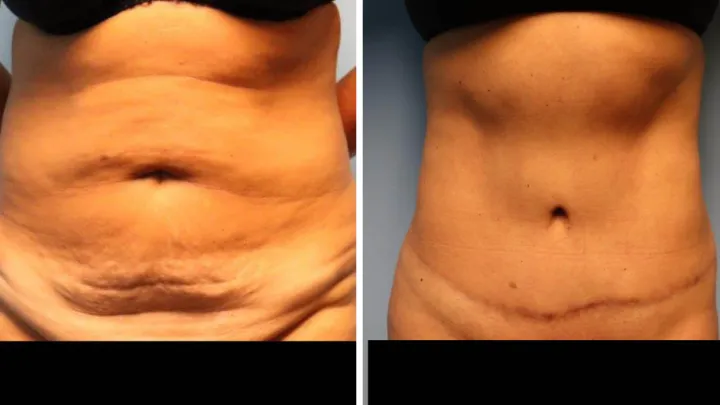
A thigh lift involves removing excess skin and fat to reshape your thighs. Thigh lifts are typically more relevant for patients who’ve already lost weight, leading to subpar tone or loss of skin elasticity.
Benefits and risks of cosmetic procedures
There are both benefits and risks associated with cosmetic procedures to address hip and thigh fat.
Benefits include:
- Reshaped and smoother hips and thighs
- Reduced friction rashes and the appearance of stretch marks
- Minimal amounts of scarring with liposuction
- Removing fat that doesn’t respond to diet and exercise
Potential risks include:
- Damage to the surrounding structure
- Infection or problems with wound healing
- Bleeding or scarring
- Contour irregularities
Making a decision that right for you
For some individuals, diet and exercise may not reduce or eliminate excess thigh and hip fat. Cosmetic procedures such as liposuction can help patients address this stubborn fat. These operations can make you look and feel your best.