Can grilling meat increase your cancer risk?

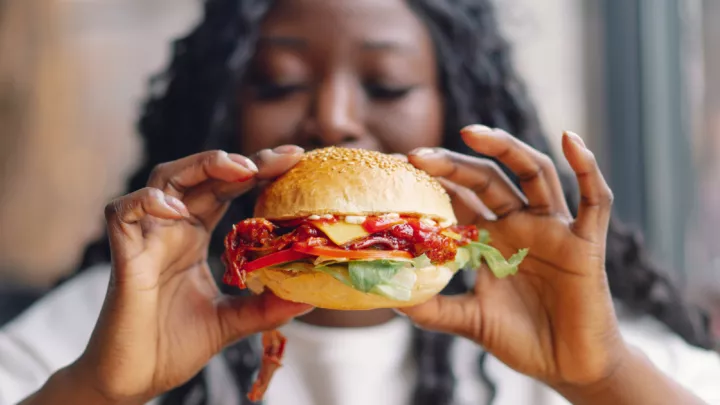
For many Americans, summer isn’t complete without firing up the grill. Around 80% of Americans own a grill or smoker. From backyard gatherings to weeknight burgers, grilling is a beloved tradition. But can cooking at high temperatures increase the risk of cancer?
The short answer: maybe. But don’t throw out the tongs just yet. Experts say to just be mindful about how and what you cook.
Why grilling can increase cancer risk
When meat is cooked at high temperatures, like over an open flame, it can form chemicals called heterocyclic amines (HCAs) and polycyclic aromatic hydrocarbons (PAHs). These compounds are considered carcinogenic because they can damage DNA and potentially increase cancer risk over time.
“Research shows that grilling at high heat can create compounds potentially linked to cancer risk,” explains registered dietitian Rebecca Beaudoin, RDN. “Americans love grilling, but if we’re always eating red meat, that can increase risk regardless of how it’s cooked. It’s suggested to limit red meat to about 12 to 18 ounces a week and avoid processed meats when possible.”
Smart ways to make grilling healthier
The good news: you don’t have to give up grilling or smoking altogether. With a few easy adjustments, you can enjoy the smoky flavor while still reducing your exposure to harmful compounds.
Beaudoin recommends these tips:
- Marinate before grilling. A simple marinade can add flavor and reduce the formation of harmful chemicals.”
- Lower the heat. Cook over indirect heat or wait until flames die down before adding meat.
- Pre-cook in the microwave. Just a few minutes can shorten grill time and reduce exposure to high heat.
- Make it fun. Cutting meat into smaller pieces, like kabobs, helps it cook faster and more evenly for less cooking time.
- Flip frequently. Turning meat often can prevent it from charring too much, which is where most of those harmful compounds form.
- Trim the fat. Less fat means fewer drips that cause smoke and flare-ups.
- Remove the char. If you do get a little char, trim it off before eating.
Focus on health
While it’s helpful to be aware of grilling risks, Beaudoin reminds us that overall habits matter most. One meal won’t make or break your health.
“Focus on the big picture, like eating more fruits and vegetables, staying active and maintaining a healthy weight,” she says. “These are some of the best ways to lower your cancer risk overall.”
The bottom line
Grilling can produce carcinogenic compounds, but there are steps you can take to reduce your exposure without sitting out barbecue season. Choose lean meats, marinate them, cook at lower temperatures and trim away charred bits before eating. When in doubt, add fruits and vegetables to your plate.
Make an appointment with your primary care doctor or one of our nutrition therapists by scheduling online or calling 800.922.0000.