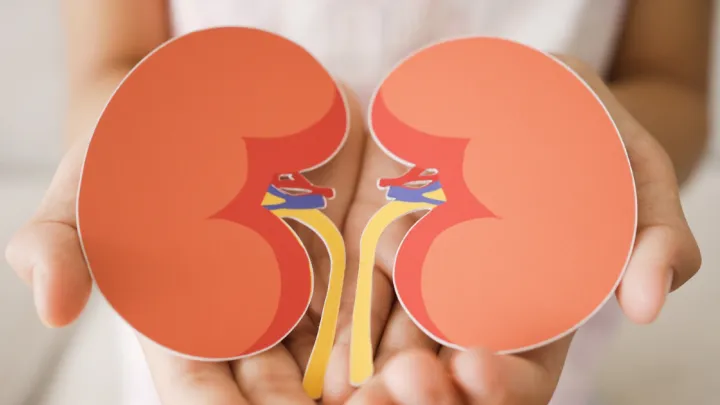
Short bowel syndrome (SBS) occurs when the body can’t absorb enough nutrients from fluids and foods due to a removed, damaged, or diseased section of the small intestine.
“I just felt confident the entire time.” That’s how Kristine Hayward describes how she feels about her physician, Sylvia Ziegenbein, MD, and the care team that delivered her second child, Liam, on Jan. 14, who arrived three weeks early.
Jessica Schultze was able to use water birth for her fifth child, despite a previous C-section. Many other hospitals would identify her as a higher-risk pregnancy and exclude her from being a candidate for water birth.
Managing diabetes early—even before conception—is vital for the health of both mother and baby, as uncontrolled blood sugar can lead to serious health risks.
The use of intrauterine devices (IUDs) for birth control is the most commonly used form of reversible contraception after birth control pills. The only caveat, is that some women may experience pain and discomfort during insertion of the device.
A colon polyp is a small growth in the lining of the colon or large intestine. Most colon polyps are sporadic and occur randomly. However, there are environmental and hereditary factors that increase the risk of developing colon polyps.
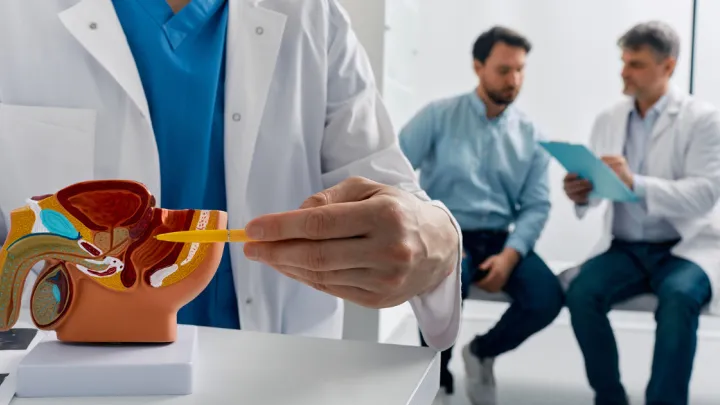
A recent study suggests that performing an MRI scan in the workup for an elevated prostate-specific antigen blood test (PSA) screening for prostate cancer can reduce prostate cancer diagnoses by more than half.
Nebraska Medicine provides innovative birthing options for expectant mothers, focusing on safety and comfort. Among these options are vaginal birth after cesarean, or VBAC, and water birth.