You asked, we answered: What is grounding, and can it reduce inflammation?
Question:
I’m reading a bit about grounding, like walking barefoot outside, sleeping on special sheets or using grounding mats. Is there any truth to that?
Answered by Darby Luckey, DO, family medicine physician:
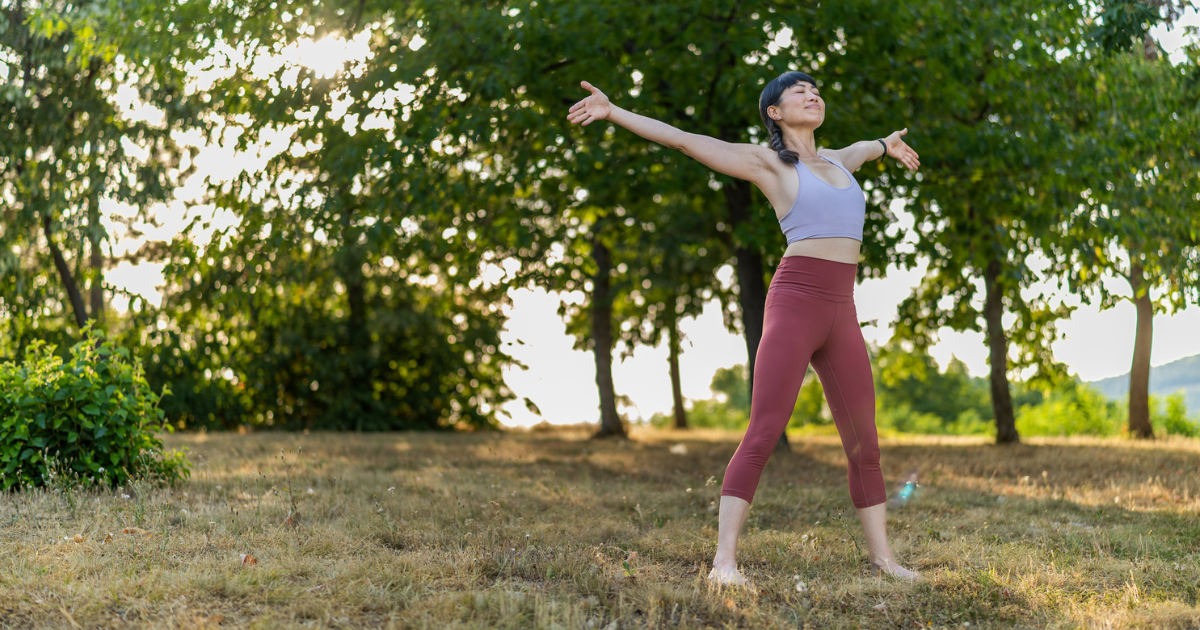
Let me start with what I mean by “grounding,” because depending on who you ask, you may get different answers. As a primary care physician focused on caring for the whole mind, body and spiritual health of my patients, I think of grounding simply as removing things between yourself and the earth. It means coming into contact with nature: the ground, trees and plants. Barefoot in the grass, hands on a tree, sitting on the soil. That’s really the heart of it.
Does grounding actually do anything?
I’ll be upfront: The evidence is limited. There isn’t robust, high-quality data that showing that grounding cures specific conditions. But there is some good evidence around forest bathing – time spent in nature – and its benefits for mental well-being, stress reduction and mood.
When I think about grounding through the broader lens of whole-person health, it really does make sense.
Think about human history. For most of it, people were in near-constant contact with the earth. What’s separating us from the ground now? Thick synthetic-soled shoes, concrete, tile floors and multi-story buildings. We can go days without ever stepping on actual soil or grass.
Some of my patients with chronic musculoskeletal pain tell me they notice a real difference when they’re more connected to the earth – experiencing less pain and better sleep.
There’s also some early research linking grounding to reduced inflammation, and that tracks with everything else we know about natural versus artificial living. Processed foods are inflammatory. Sedentary lifestyles are inflammatory. Chronic stress is inflammatory. It makes sense that consistently separating ourselves from natural environments might also be working against us.
What about grounding products – mats, sheets and rods?
This is where I’d encourage people to pump the brakes a little. I don’t have strong evidence to recommend for or against grounding devices. I’d like to see more data before giving definitive guidance.
As grounding moves away from simply going outside and toward purchasing specialized products, the costs go up, the risks may go up and the benefits become much less clear.
I know people who spend extraordinary amounts of money on grounding gadgets while missing the simpler, more foundational question: How can I just spend more time outside, in contact with nature?
A few cautions worth mentioning
For most healthy people, spending time barefoot in a clean, safe environment carries very little risk. But if you have diabetes, kidney disease, heart failure or any condition that affects sensation in your feet, please be careful.
Reduced sensation means you may not notice a cut or injury, and that can become serious quickly. That doesn’t mean you can’t ground – lean against a tree, put your hand on the earth or sit on the grass. There are plenty of ways to connect with nature without putting vulnerable feet at risk.
Also, use common sense outdoors: Wear sunscreen, stay aware of your environment and avoid skipping the barefoot walk during a lightning storm.
My bottom line
If you’re curious about grounding, start simple. Spending 30 to 60 minutes outside each day, touching a tree, sitting on the ground or feeling the grass under your feet is low cost and low risk, with the potential of real benefits.
Don’t miss the good by chasing the perfect. You don’t need a special mat to start – you just need to step outside.