What you need to know about the new food pyramid
A new set of dietary guidelines for Americans was recently released by the U.S. Department of Agriculture. These recommendations are important to public health. By providing clear guidelines for healthy eating and disease prevention, they hope people will understand their overall nutritional needs and teach healthy eating habits to their children.
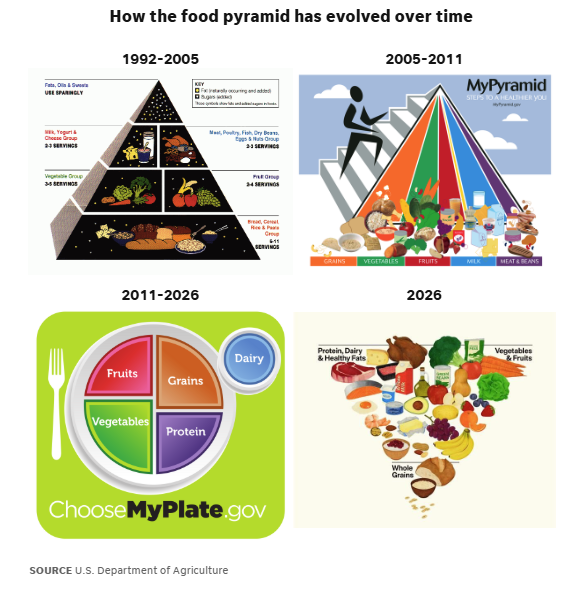
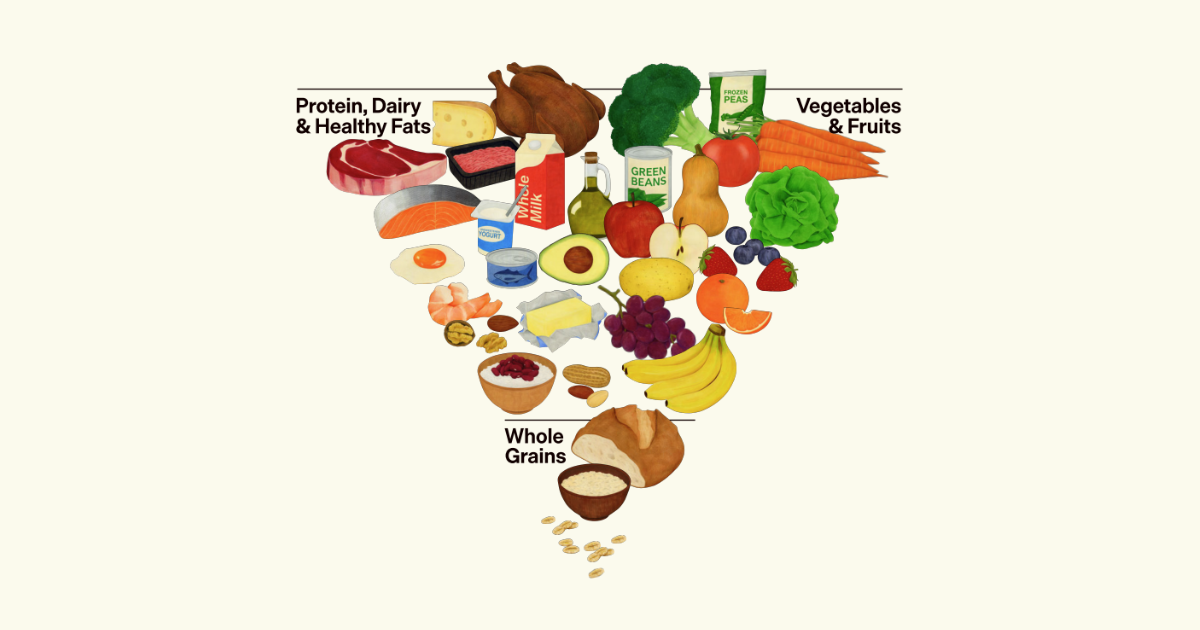
The new food pyramid replaces the 2011 MyPlate recommendations. While MyPlate helped visualize healthy portions from various food groups, the new pyramid defines real food as “whole, nutrient-dense, and naturally occurring, placing them back at the center of our diets.”
“The 2020-2025 update to the original food pyramid is now the main visual guide, but the plate method is still a great mealtime visualization that incorporates the current guidelines,” says Nebraska Medicine nutrition therapist Courtney Aken, MMN, RD, LMNT, LD. “The two visuals can work together.”
Changes and insights into the new food pyramid
The new food pyramid highlights healthy food groups at the top and foods we should limit at the bottom. Generally, the old pyramid has been flipped upside down to emphasize and prioritize different food groups.
Since changes can be confusing, Aken offers the following insights.
Animal food sources are now at the top.
Despite this flip, the guidelines still recommend focusing on healthy fats and limiting saturated fat intake to less than 10% of total calories. Animal products such as meats, dairy and eggs contain saturated fat. Sources of animal protein with lower saturated fat include lean meats (chicken breast, 90/10 ground meats, sirloin), low-fat dairy and fish.
An emphasis on full-fat dairy.
While ongoing research is being conducted on dairy products in particular, this contradicts the recommendation to limit saturated fat intake. Research suggests that full-fat dairy may have benefits and that not all saturated fat sources are created equal.
“There are plenty of instances in which full-fat dairy is recommended to individuals over low-fat dairy,” says Aken. “Switching to full-fat dairy products may contribute to increased calorie intake in the diet, which may or may not correlate with your individual nutrition goals. If you need guidance, meet with a registered dietitian to discuss low-fat versus full-fat dairy and what is best for you.”
Alcohol guidance.
Alcohol recommendations are not specifically outlined as they were in past guidelines. Previous recommendations were one drink per day for women and two for men.
The updated guidelines suggest limiting alcohol overall, without a specific upper limit. “However, limiting or avoiding alcohol is beneficial overall,” adds Aken. “It can increase a person’s risk for chronic diseases, cancers and malnutrition.”
Protein recommendations have increased.
Protein helps build and maintain muscle mass, supports stable blood sugar levels, helps maintain consistent energy throughout the day and increases satiety with meals and snacks.
Protein guidelines have been increased from at least 0.8 grams per kilogram of body weight to at least 1.2 grams, with adjustments based on individual needs.
“I recommend ensuring protein does not completely take over the diet, as we are concerned about inadequate fiber intake,” adds Aken. “Talk to a registered dietitian if you would like to discuss specific protein recommendations based on your needs.”
Fiber remains essential.
Fiber was not addressed much in the 2020-2025 written guidelines, and many great fiber sources were placed lower.
“Research supports extremely poor outcomes in individuals who are not meeting 25 to 30 grams of fiber per day,” says Aken. “In fact, even more fiber, like 40 to 50 grams per day, has been shown to have even more health benefits in reducing chronic diseases and cancers.”
Several guidelines remained the same.
Certain recommendations continue to help prevent chronic diseases and obesity, including focusing on foods that:
- Are low-processed foods.
- Are low in added sugar.
- Emphasize whole grain and complex carbohydrate sources.
- Limit sodium to 2,300mg or less per day.
Putting food guidelines into practice
Overall, these guidelines are meant to be general nutrition recommendations for an average, otherwise “healthy” person. Chronic disease, cancer or other unique conditions often require adjustments.
For many, knowing what to eat isn’t the challenge. It’s knowing how to put these guidelines into practice in real life.
“Part of my role as a dietitian is to help aid in the access and implementation of a well-balanced diet,” says Aken. “If you feel like you understand what you should do, but struggle with how to do it sustainably, reach out to a dietitian for assistance in navigating what is right for you. Eating real food is not always easy when you have a busy schedule. We are here to help!”
Our primary care providers work closely with our team of licensed nutrition therapists who can help you meet your goals. Schedule an appointment online or call 800.922.0000 today.