4 common myths about pelvic health issues
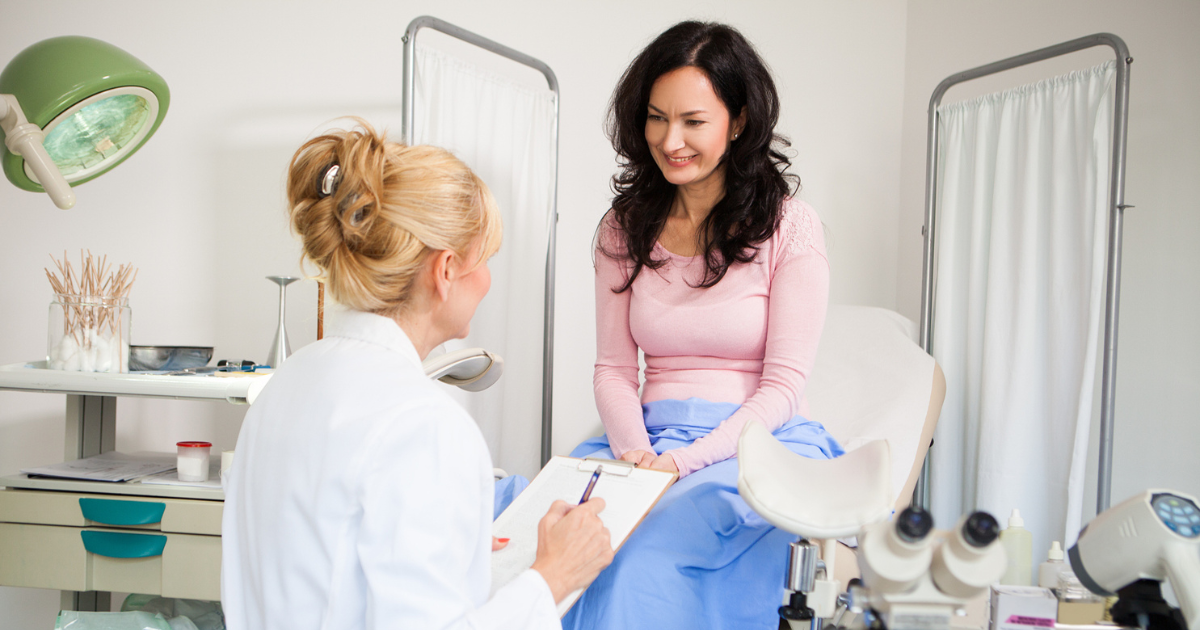
Many women suffer in silence with pelvic health issues because they believe common myths. The truth? You don’t have to accept these symptoms – effective treatments are available.
Myth 1: Only older women have urinary incontinence
The truth. Women of all ages can experience accidental urine leakage.
Common causes include:
- Pregnancy and childbirth.
- Hormone changes, typically postmenopause.
- Weak pelvic floor muscles.
- High-impact activities.
- Being obese.
- Chronic coughing.
- Certain nerve conditions.
- Connective tissue disorders
Myth 2: Incontinence is just a normal part of getting older
The truth. While more common with age, incontinence isn’t normal or something you have to accept. Many effective treatments are available – from lifestyle changes to medical treatment and procedures. With the right care, you can manage or eliminate your symptoms at any age.
Myth 3: You’ll see a bulge if you have prolapse
The truth. Prolapse doesn’t always show up as a visible bulge. Symptoms may come and go, especially when standing for long periods, exercising or straining.
Common signs include:
- Pelvic fullness.
- Feeling like you’re sitting on something uncomfortable.
- Trouble emptying your bladder or bowels, especially with moderate size prolapse .
Most women describe pressure or heaviness, not pain.
Myth 4: Fistulas are always visible and painful
The truth. A vaginal fistula – an abnormal opening between the vagina and another organ – is often internal and may not cause pain.
The typical symptom is persistent leakage of urine or stool from the vagina. Even without pain, leakage of urine or stool from the vagina should be checked by a doctor.
Schedule an appointment with one of our board-certified urogynecologists today by calling 800.922.0000 or scheduling online.