Cardiomyopathy: Symptoms, diagnosis and treatment
Cardiomyopathy is a disease of the heart muscle. Unlike problems with heart rhythm (electrical issues) or blocked arteries (blood flow issues), cardiomyopathy affects how the muscle itself works.
Here are some of the most common types of cardiomyopathies:
Hypertrophic (thickened heart muscle disease): The heart wall is thicker than normal. It pumps strongly at first but becomes stiff and doesn’t relax well. Due to increased wall thickness and contraction, the outflow path for blood is narrowed and obstructs flow in many patients.
Dilated (enlarged and weak heart muscle disease): The heart enlarges and becomes weaker, so it can’t pump as well.
Arrhythmogenic (heart rhythm-related muscle disease): Individual heart cells (cardiomyocytes) have weakened cell walls making them fragile. Over time, normal cells are damaged and replaced with scar tissue or fat, leading to weakness of the heart and dangerous rhythms.
Peripartum (pregnancy-related heart muscle disease): This develops in late pregnancy or soon after birth when the heart becomes weak. Because the main symptoms are shortness of breath and fluid retention, it can be difficult to diagnose.
Stress cardiomyopathy (broken heart syndrome): A sudden, usually temporary, reduction in the pumping function of the left ventricle of the heart.
Symptoms of cardiomyopathy
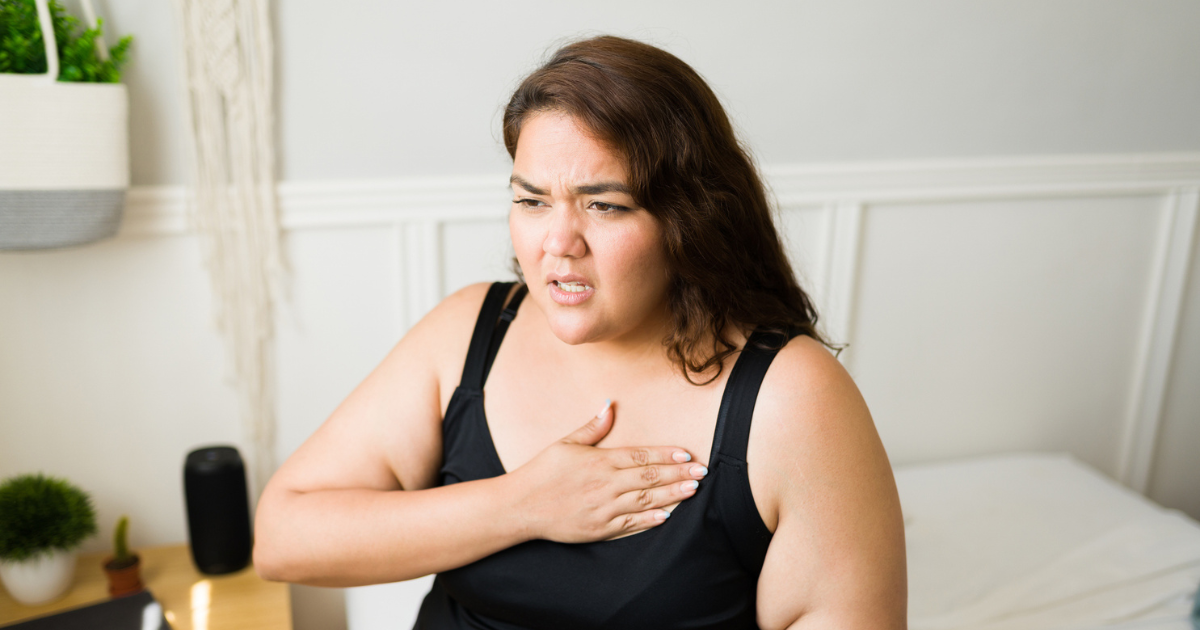
“Warning signs of cardiomyopathy include chest pain, palpitations or shortness of breath, especially if these symptoms run in your family,” explains cardiologist Douglas Stoller, MD. “Fainting that’s not due to fear, stress or standing too quickly can also be a sign of abnormal heart rhythms. For children or relatives of cardiomyopathy patients, doctors often ask if they keep up with their peers when it comes to exercise. Falling behind can be a red flag.”
Symptoms will vary by type:
Hypertrophic: Chest pain, shortness of breath or fainting. Some people are at risk of sudden death from dangerous rhythms, even before any warning signs.
Dilated: Classic heart failure signs like swelling in the legs, fluid in the lungs or needing to sleep upright.
Peripartum: Similar to dilated cardiomyopathy, with trouble breathing and fluid buildup which can overlap with pregnancy symptoms.
Arrhythmogenic: Often shows up in adults in their 30s to 40s with fainting, palpitations or abnormal rhythms before heart weakness sets in.
Stress cardiomyopathy: Symptoms most often look like a heart attack (chest pain) or heart failure (shortness of breath).
Diagnosis of cardiomyopathy
“When evaluating a patient for cardiomyopathy, I will first ask about their symptoms, such as chest pain, breathing trouble, fainting, or skipped beats,” says Dr. Stoller. “Family history is very important since most cardiomyopathies are inherited. If a parent has cardiomyopathy, their children have a 50% chance of developing it.”
A cardiologist will use the following tests to diagnose cardiomyopathy:
Echocardiogram (heart ultrasound): This is the first-line test used to examine the heart’s size, strength and thickness.
EKG: Shows abnormal heart rhythms or patterns.
MRI: Provides very detailed pictures of the heart and can detect scarring, fat replacement or problems in parts of the heart that an ultrasound can’t see well.
Blood work: Certain markers can suggest hidden problems.
Family members of cardiomyopathy patients are often screened to help catch the disease early.
Treatment for cardiomyopathy
As with symptoms and diagnosis, treatments for cardiomyopathy will vary, depending on the type you have. Most treatments aim to relieve symptoms, rather than the disease itself.
Medicine:
There are no drugs that prevent cardiomyopathy, but there are effective medicines for treating symptoms—especially those linked to weak hearts and fluid buildup. People without symptoms often don’t need daily medicines.
Lifestyle changes:
Low-salt diets and limiting fluid intake can reduce swelling. Exercise should be discussed with a cardiologist since it depends on the type of disease. For some types of cardiomyopathies, certain types of exercise are not recommended.
Medical devices:
Some patients need a pacemaker or defibrillator to prevent sudden death, depending on their condition.
Surgery:
Rare, but may be used as a treatment for cardiomyopathy, except in some hypertrophic cases where the extra-thick muscle needs to be removed.