Chronic low back pain can affect all aspects of daily life. If you’ve tried other treatments without any relief, you may have heard about a newer option called the Intracept® procedure.
Respiratory tract infections affect the nose, throat, sinuses, or lungs. Carrie Hoarty, MD, an internal medicine physician, explains the common types and how providers diagnose and treat them.
If you’ve noticed pain, numbness or weakness in your legs when you walk or stand – you may be dealing with a condition called lumbar spinal stenosis (LSS). The MILD procedure is a safe, effective outpatient treatment that relieves pressure on nerves in the lower spine.
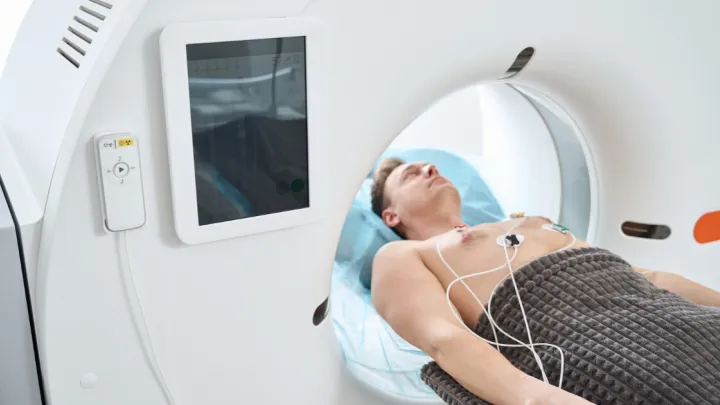
Cardiac imaging has become an important tool for evaluating coronary artery disease. Technologies such as coronary CT angiography, AI-assisted plaque analysis, and CT-derived fractional flow reserve (CT-FFR) show doctors a detailed look at plaque inside the heart’s arteries.
You’ve been tired for months. Maybe you’ve had carpal tunnel surgery, neuropathy, some back pain, or shortness of breath. But what if all of those symptoms had a single cause?
Saline and silicone breast implants have the same basic purpose, but they differ in what fills them, how they feel, and how doctors check them over time. Learning the pros and cons of each can help you choose the option that best fits your body, goals, and comfort level.
Nebraska Medicine plastic surgeons offer some of the most advanced breast reconstruction technology available, alongside care plans tailored to each patient.
Protecting your heart health long-term also includes preventing infections such as the flu, COVID-19 and pneumonia. Vaccines are considered safe for most people with heart disease and are an important way to reduce the risk of severe illness.
An increasing number of states are legalizing marijuana for recreational and medical use, but emerging evidence suggests it may have significant effects on cardiovascular health.
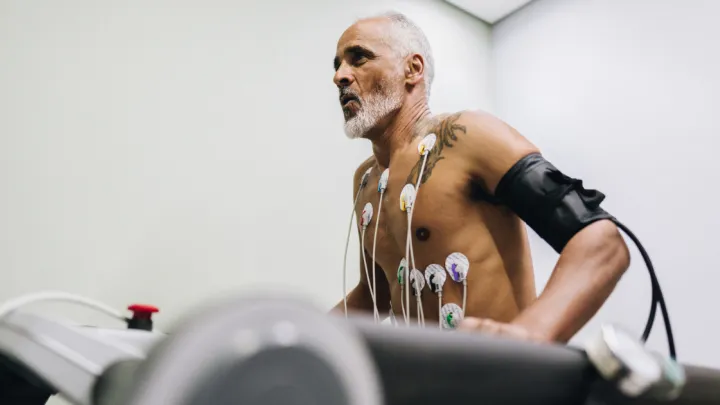
A cardiac stress test helps doctors see how well your heart works during physical activity or simulated exercise. It can help identify blocked arteries, abnormal heart rhythms and other problems before they worsen.
The PREVENT (Predicting Risk of Cardiovascular Disease Events) risk calculator may help reduce those numbers by helping doctors determine a person’s future risk for an atherosclerotic cardiovascular event and recommend preventive measures to lower that risk.
You’re about to leave the Nebraska Medicine website. The other site may collect information about your visit, including your IP address. Do you want to continue?