An RDN is an important member of your cancer care team, just like your doctor or nurse. They are experts in nutrition and can help you make food choices that support your health before, during, and after cancer treatment.
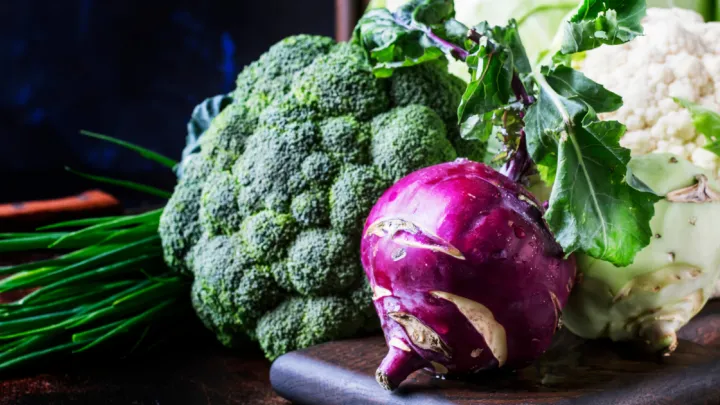
Cruciferous vegetables like cauliflower are plentiful in vitamins, minerals, fiber and antioxidants. Research shows that eating about five to seven servings of cruciferous vegetables each week may help lower the risk of several cancers.
Brightly colored candies, cereals and sports drinks are hard to miss. On social media, you may have seen claims that food dyes can cause cancer. But is that true?
If you’re a cancer survivor, you’ve likely heard mixed messages about the relationship between dairy and cancer. Some sources say it’s beneficial, while others suggest it may increase cancer risk. So, what does the research actually say?
Cancer can feel overwhelming, and it’s natural to look for ways to reduce your risk. Here are five strategies that can help lower your risk of colorectal cancer.
You’ve probably heard that a glass of red wine can be good for your heart. However, alcohol consumption of any kind is also associated with an increased risk of cancer.
A quick online search will provide plenty of information about the best spices and foods to prevent or treat cancer. But which ones are really legitimate?
Modal window
You're leaving our website
You’re about to leave the Nebraska Medicine website. The other site may collect information about your visit, including your IP address. Do you want to continue?