Nebraska’s first TOPS patient is back on her feet
For nearly two years, Randie Rys, 69, lived with lower back pain that ran down her legs. Walking far was hard. Standing at the sink to do dishes was even harder. Today, though, she can climb stairs and go for walks.
Rys is the first patient in Nebraska to have the TOPS (total posterior spine) procedure. Neurosurgeon Miki Katzir, MD, performed her surgery at Nebraska Medical Center, the only place in the state that offers the procedure. TOPS treats lumbar spinal stenosis while preserving lower-back movement.
What was Rys dealing with before surgery?
Rys’s pain began in late 2024. She first tried a chiropractor, but it didn’t help. She then sought care from other spine providers, and a full year passed without relief.
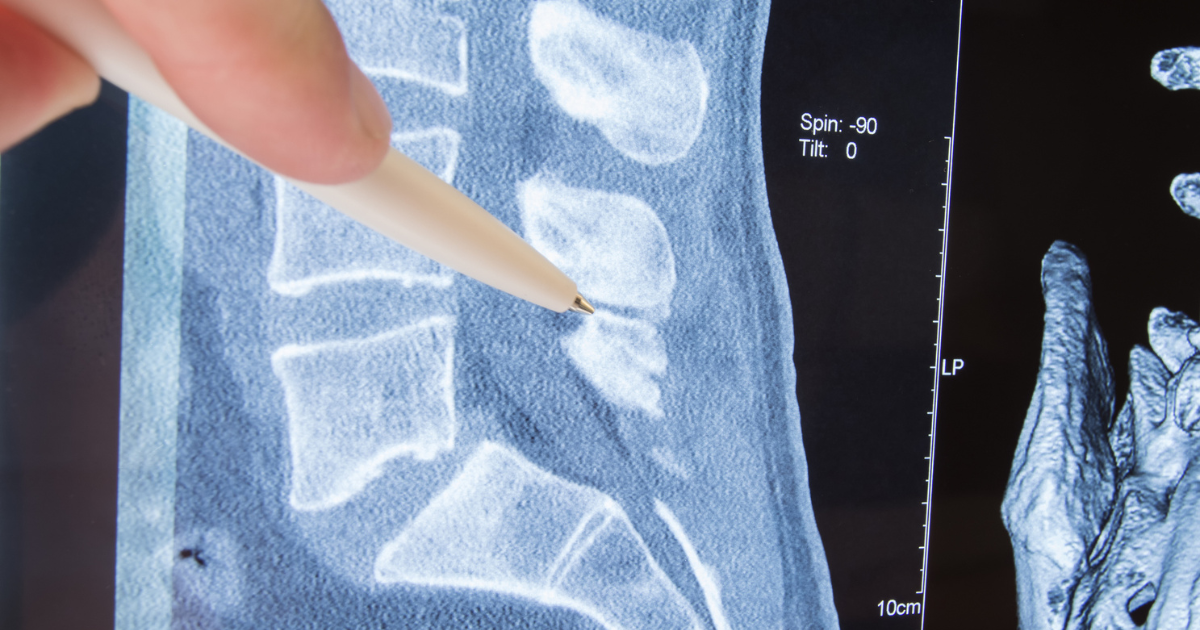
Everyone told Rys the same thing: The vertebrae in her lower back were “bone on bone.” She was diagnosed with spinal stenosis, a narrowing in the spine that puts pressure on nerves.
“On a scale of one to 10, it was 10 all the time,” Rys says. “I couldn’t walk very far because my bones were just grinding. It hurt all the time.”
By 2026, Rys was tired of the delays and ready for a change. “I got on the internet and started looking, and he’s the one that I liked,” she says. He was Dr. Katzir.
How did Rys go from fusion to TOPS?
Rys had been told she needed a spinal fusion. “I didn’t really care for it, but if that was what was going to take care of it, then I was okay with it,” she says. Fusion was still the plan when she first met Dr. Katzir.
Dr. Katzir told Rys about TOPS. He explained that it would be a joint replacement instead of a fusion and that he thought she was a good candidate.
“I told him that sounded better to me than spinal fusion,” Rys says. “With spinal fusion, your spine is locked, whereas now my spine’s just like it was before.”
How does TOPS differ from spinal fusion?
Spinal fusion can relieve pressure on nerves, but it also stops movement in part of the lower back. A fusion holds the bones still so they can grow together.
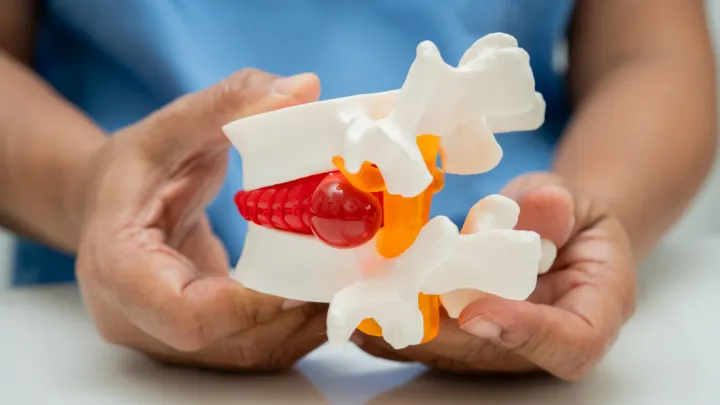
During TOPS surgery, the surgeon removes bone that is pressing on the nerves and places an artificial joint between two bones in the lower spine. The spine is supported without joining the bones, so that part of the lower back can keep moving.
“You’re not locking up your spine,” Dr. Katzir explains. “The artificial joint is designed to encourage movement that feels natural.”
That means fewer restrictions after surgery and a faster return to work and everyday activities.
“It’s a very unique procedure to consider if you’re the right candidate,” Dr. Katzir says.
Who is a candidate for TOPS?
TOPS may be an option for patients with moderate-to-severe lumbar spinal stenosis or level 1 degenerative spondylolisthesis. In general, candidates:
- Still have movement at the affected level
- Do not have severe disc damage
- Do not have major spinal instability
- Have not improved with nonsurgical treatments
A spine specialist reviews your symptoms, imaging, and overall health to decide which procedure is safest. Fusion may still be the better choice when the spine is severely damaged or unstable.
What was surgery and recovery like for Rys?
On Sept. 4, 2026, Rys underwent Nebraska’s first TOPS procedure.
“Surgery went great,” Rys says. She was up and moving the same day with a walker and, while she was sore from the surgery, noticed an improvement in her back pain “right away.”
She went home on Sept. 8, four days after surgery. Her physical therapy in the hospital was mostly walking the hallways, and she did exercises at home after that.
Dr. Katzir says back surgery can feel intimidating, but advances in spine surgery and recovery support can make the experience more manageable than many patients expect.
“We have physical and occupational therapy in the hospital and let you stay until you are ready to leave,” he says. “No one kicks you home the same day.”
Relief came quickly for Rys. At her first follow-up appointment, around Sept. 21, she told the care team she felt 80% better. “I didn’t expect to feel this good so soon,” she says.
Rys’s daily life looks very different post-surgery. “I can go up stairs, lift my legs, and go for a walk and not have to stop,” she says. The pain that once ran down her legs has faded, too.
Why consider a second opinion?
Being told you need a spinal fusion doesn’t always mean fusion is the only option. A spine specialist who performs motion-preserving surgery can explain your choices and whether TOPS fits your condition.
“Don’t get scared. Seek a second opinion,” Dr. Katzir says. “Even if you’ve been told you need fusion, we may be able to offer you this cutting-edge technology of motion preservation surgery.”
Rys has simple advice for anyone considering the TOPS procedure. “I’d tell them to do it,” she says. “And to check out Dr. Katzir. He’s the one who can do it.”
If you have been told you need lumbar spinal fusion, a second opinion may help you understand every option. Schedule a consultation at NebraskaMed.com/Spine.